
From Dragonfly to MOTHRA in Pictures
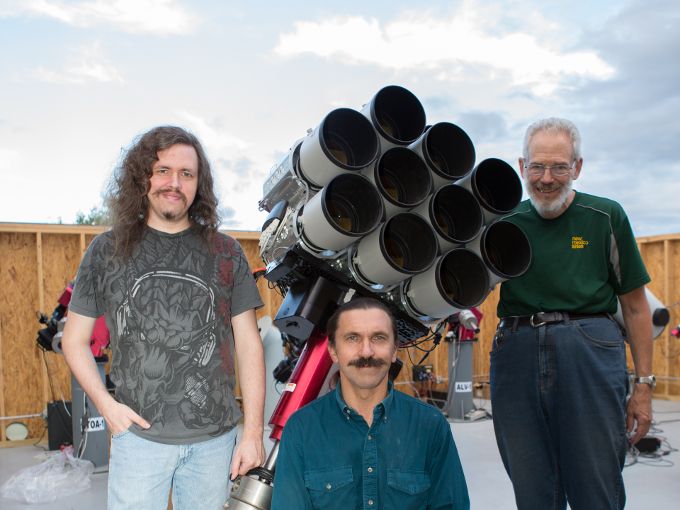
Ancient Times (2013-2017)
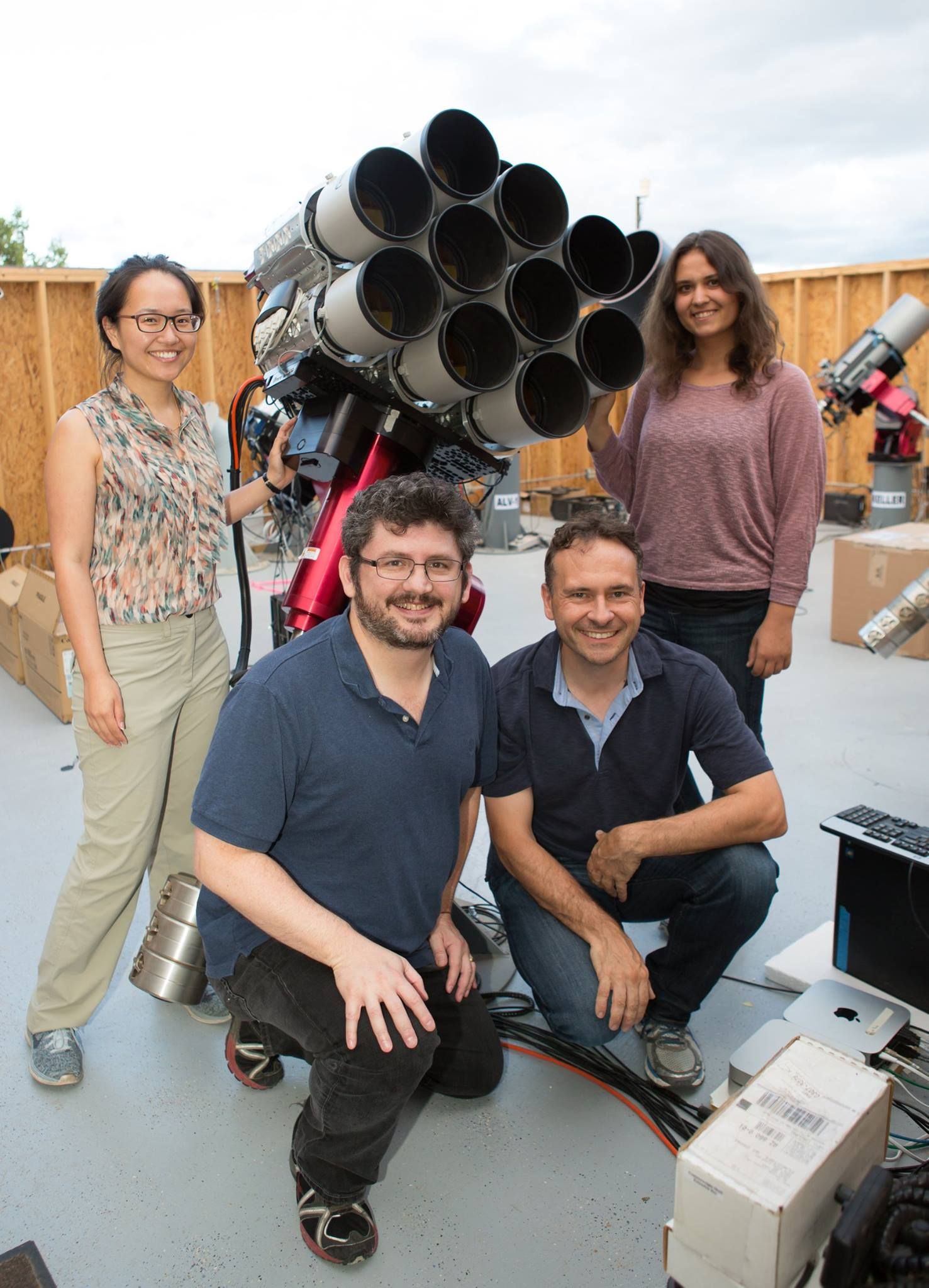
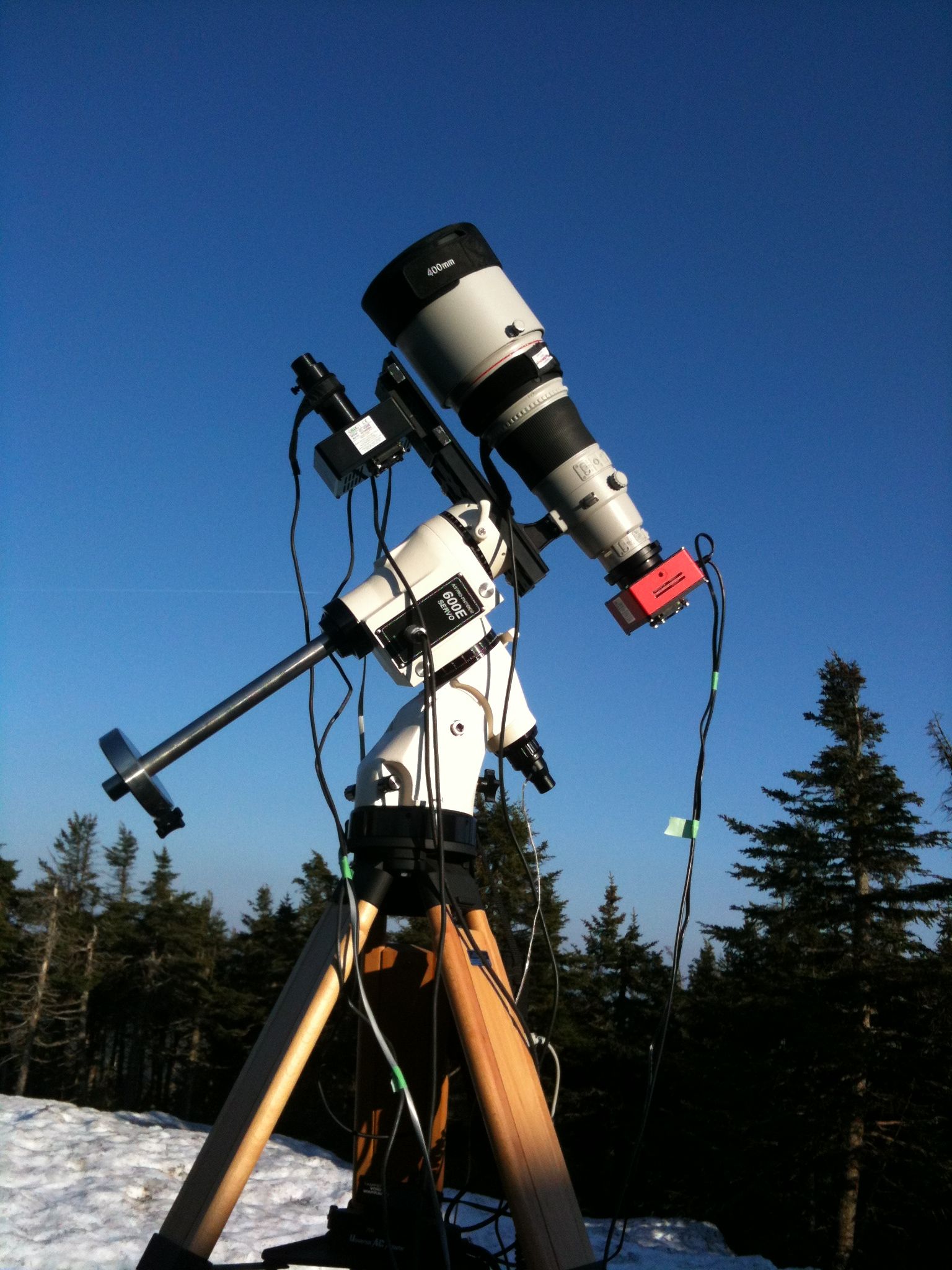
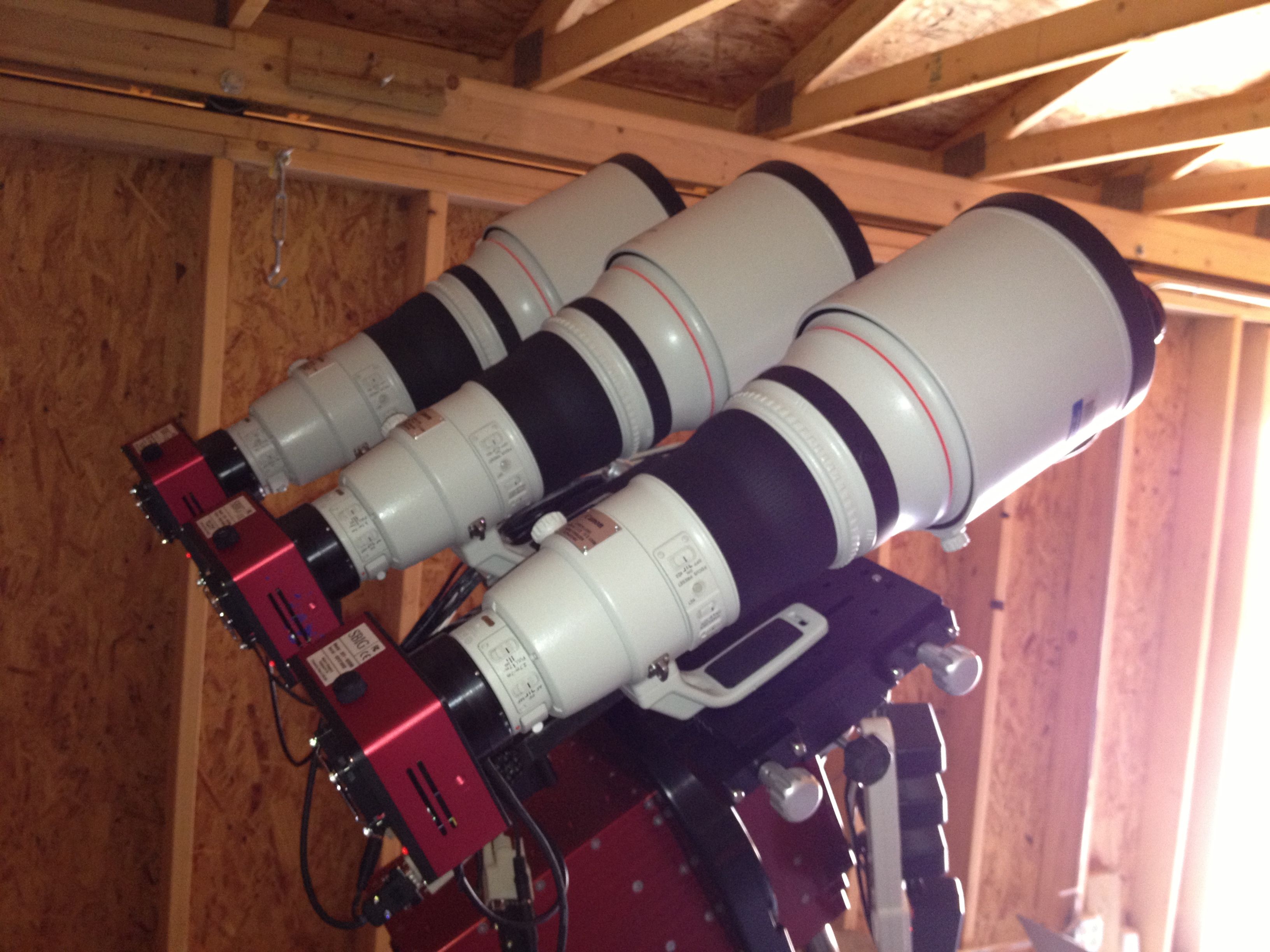
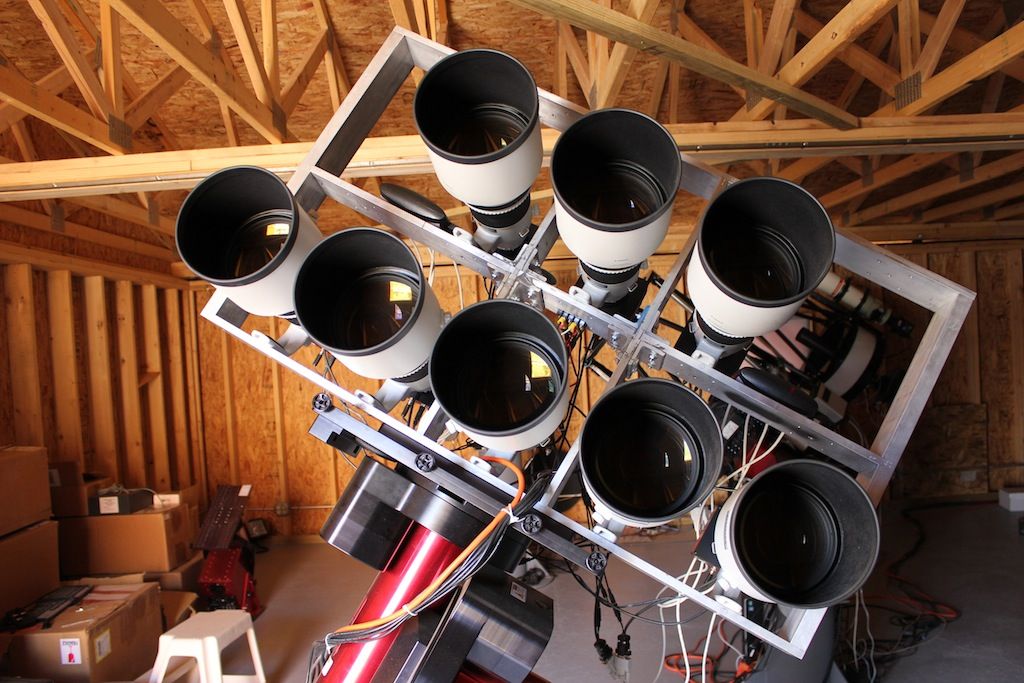
MOTHRA is the next phase in the Dragonfly Project. Dragonfly began as a beer bet between van Dokkum and Abraham. (Abraham lost). The project's early development saw it grow from a single telephoto lens to 10 lenses over a couple of years, using private funding from the University of Toronto and Yale and public funding from NSERC (Canada). During these Ancient Times the model was set in place of following-up on Dragonfly's discoveries using larger telescopes, mainly the Keck telescope on Mauna Kea (Hawaii) and the Hubble Space Telescope. Synergy with other telescopes has remained an important part of the project's success, and personnel involved in Dragonfly become expert observers on many facilities.
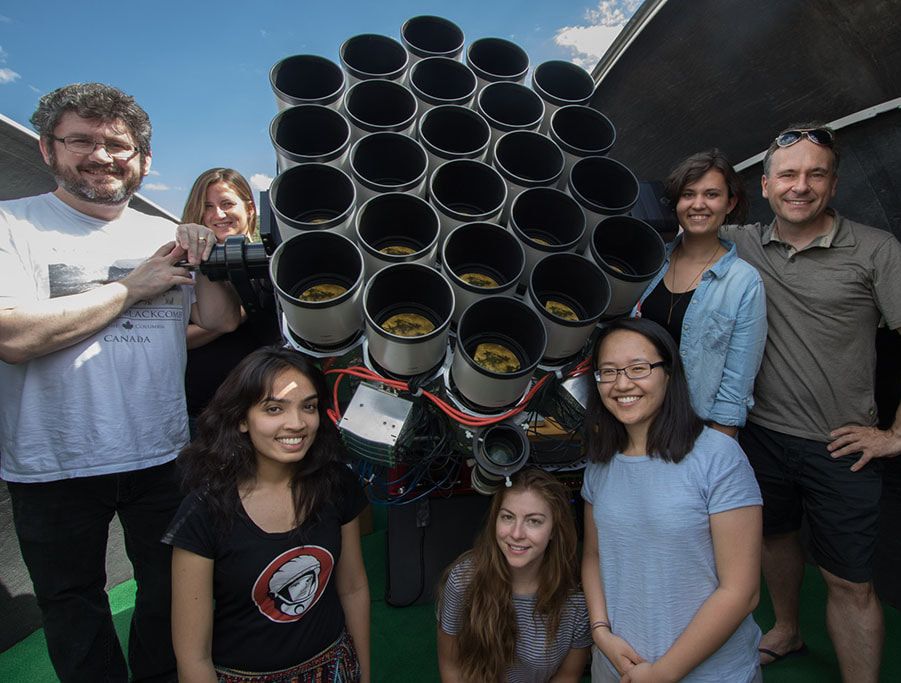
The Early-Modern Era (2017-2021)
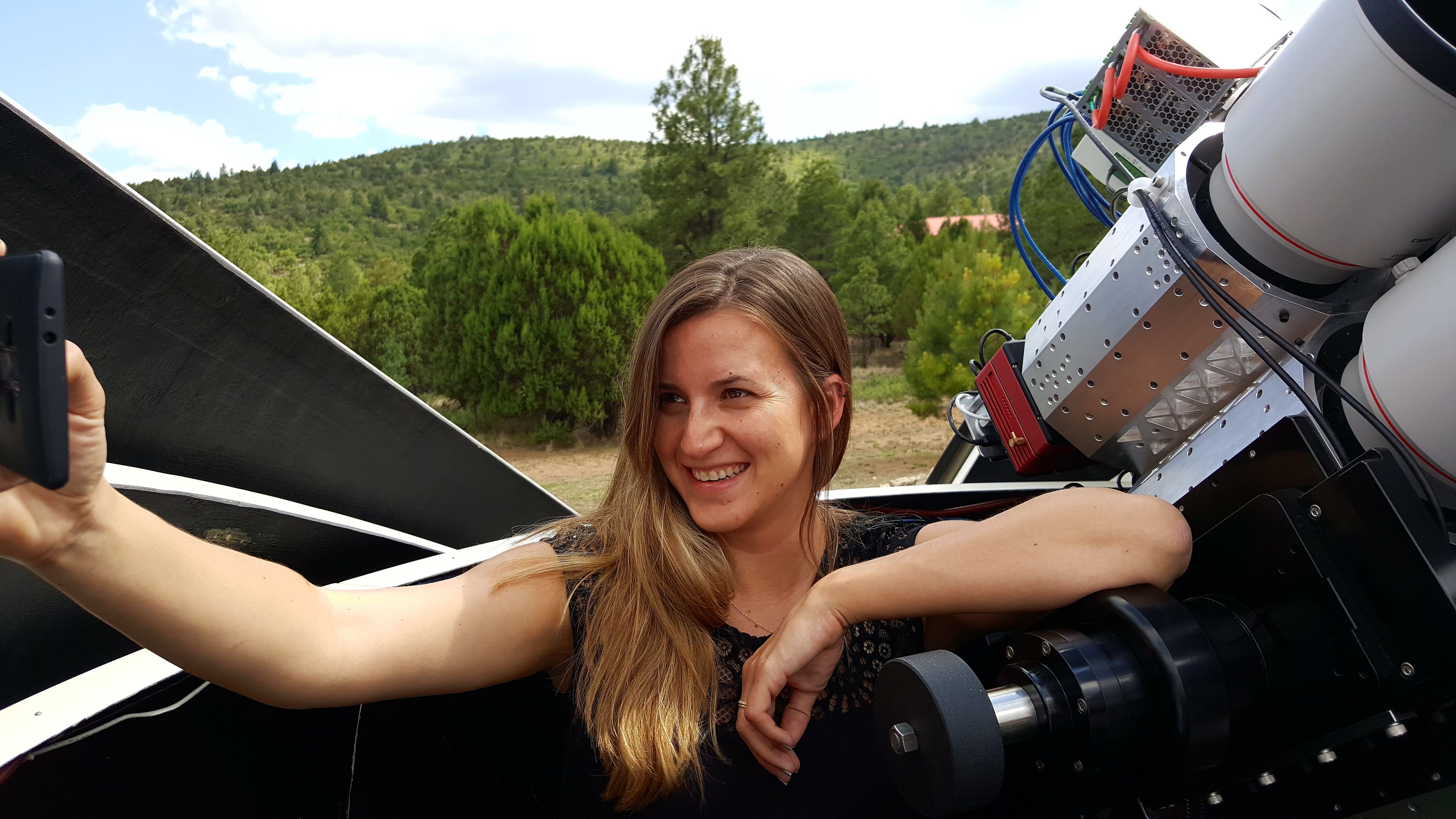
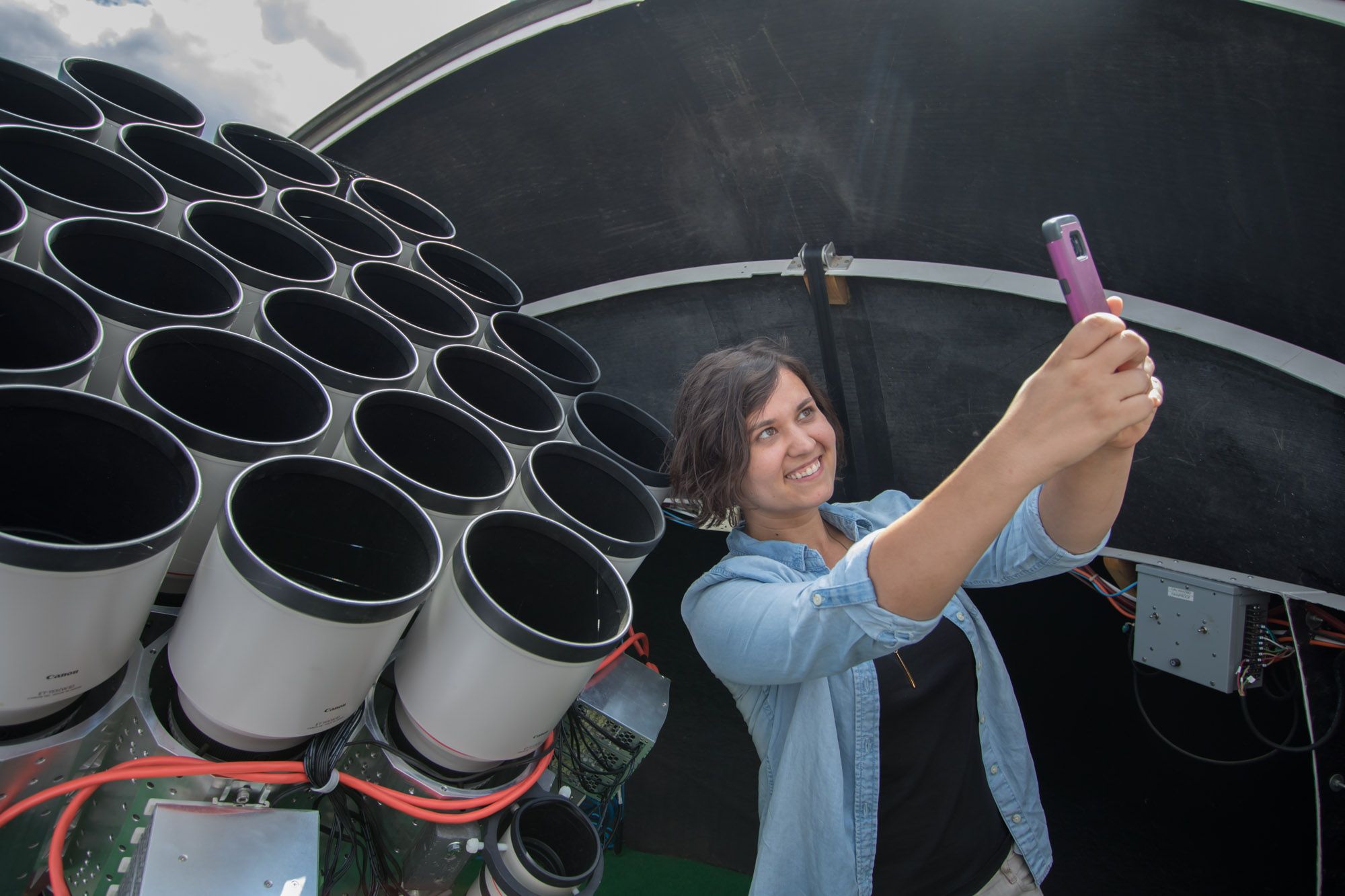
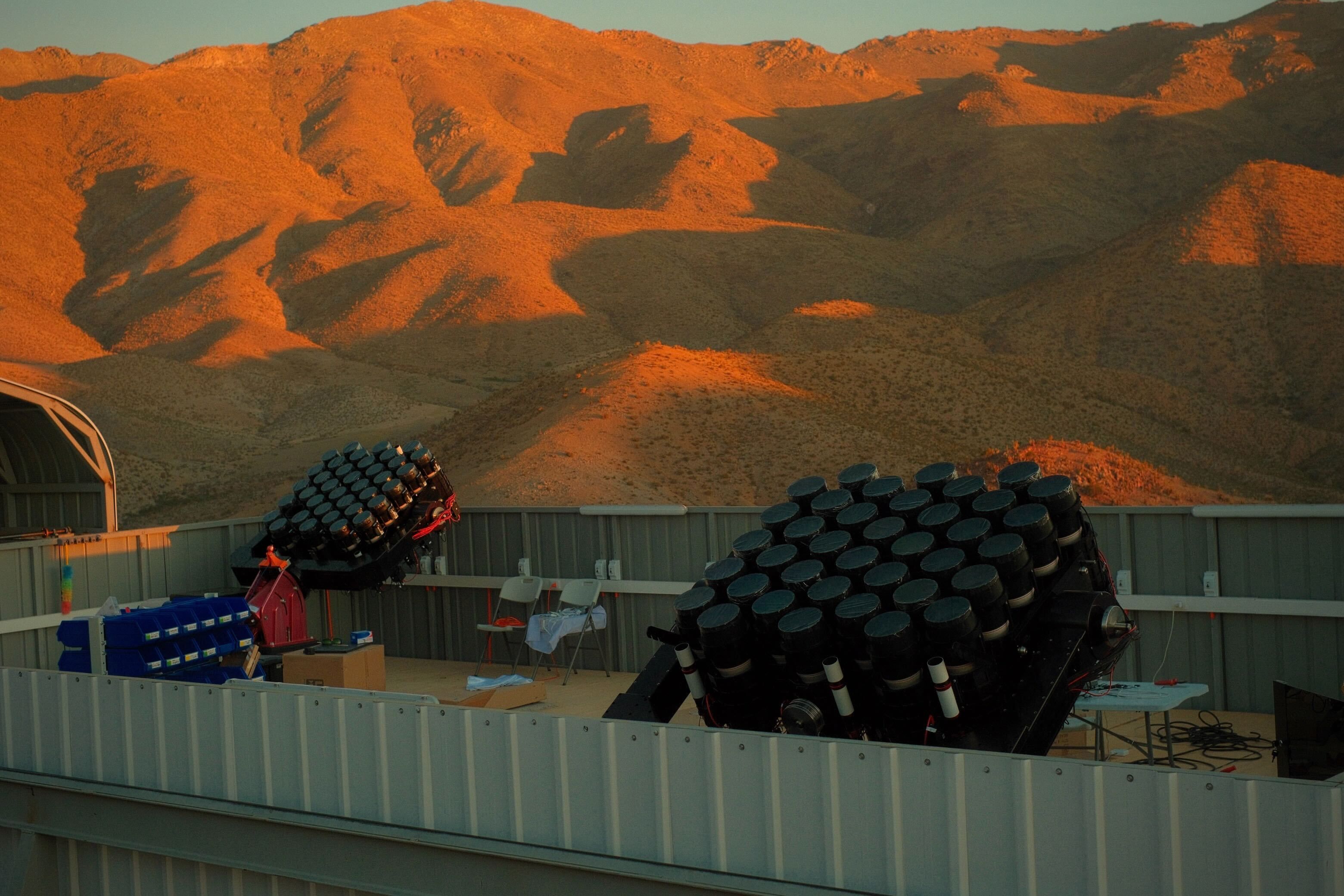
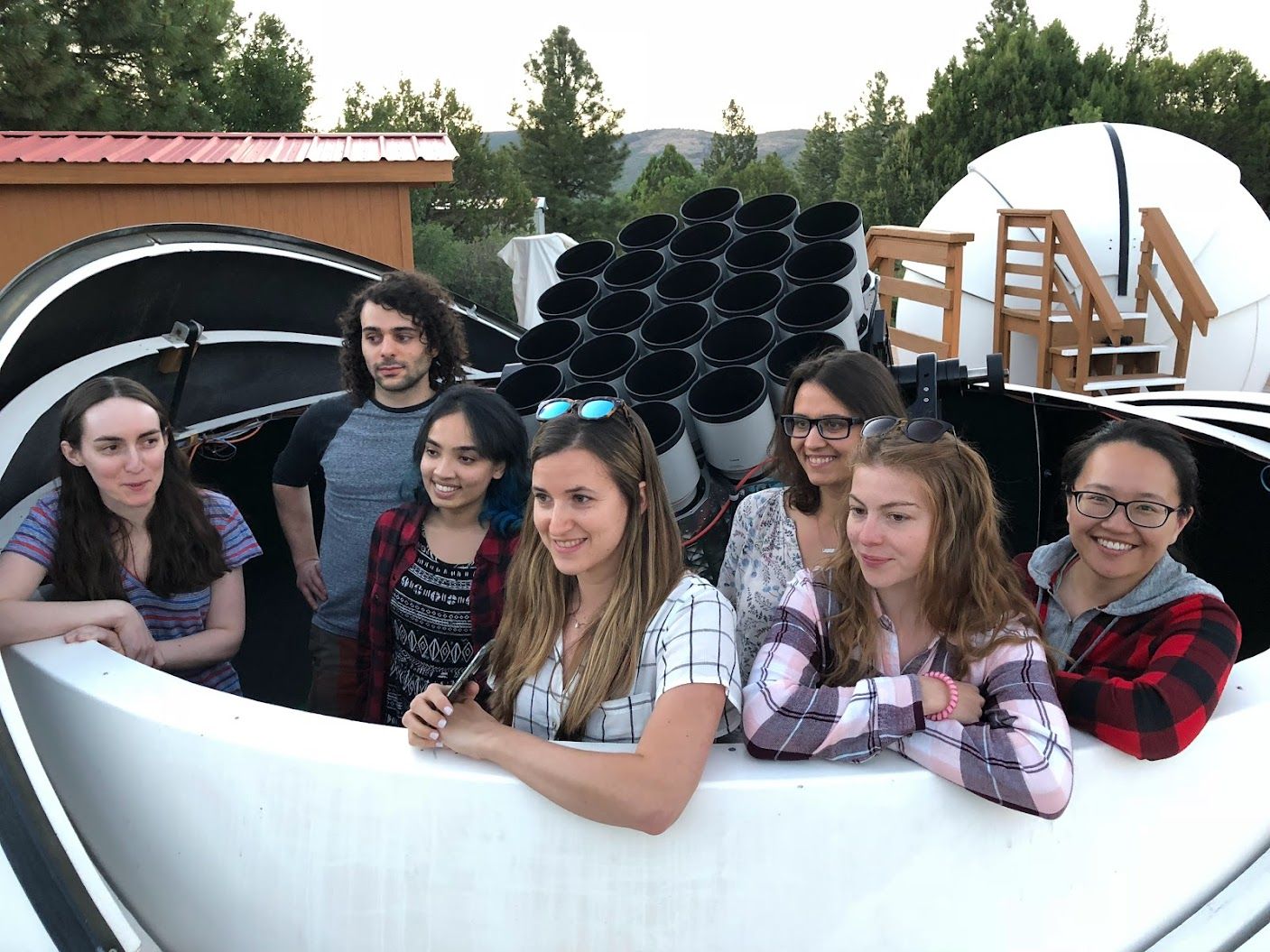
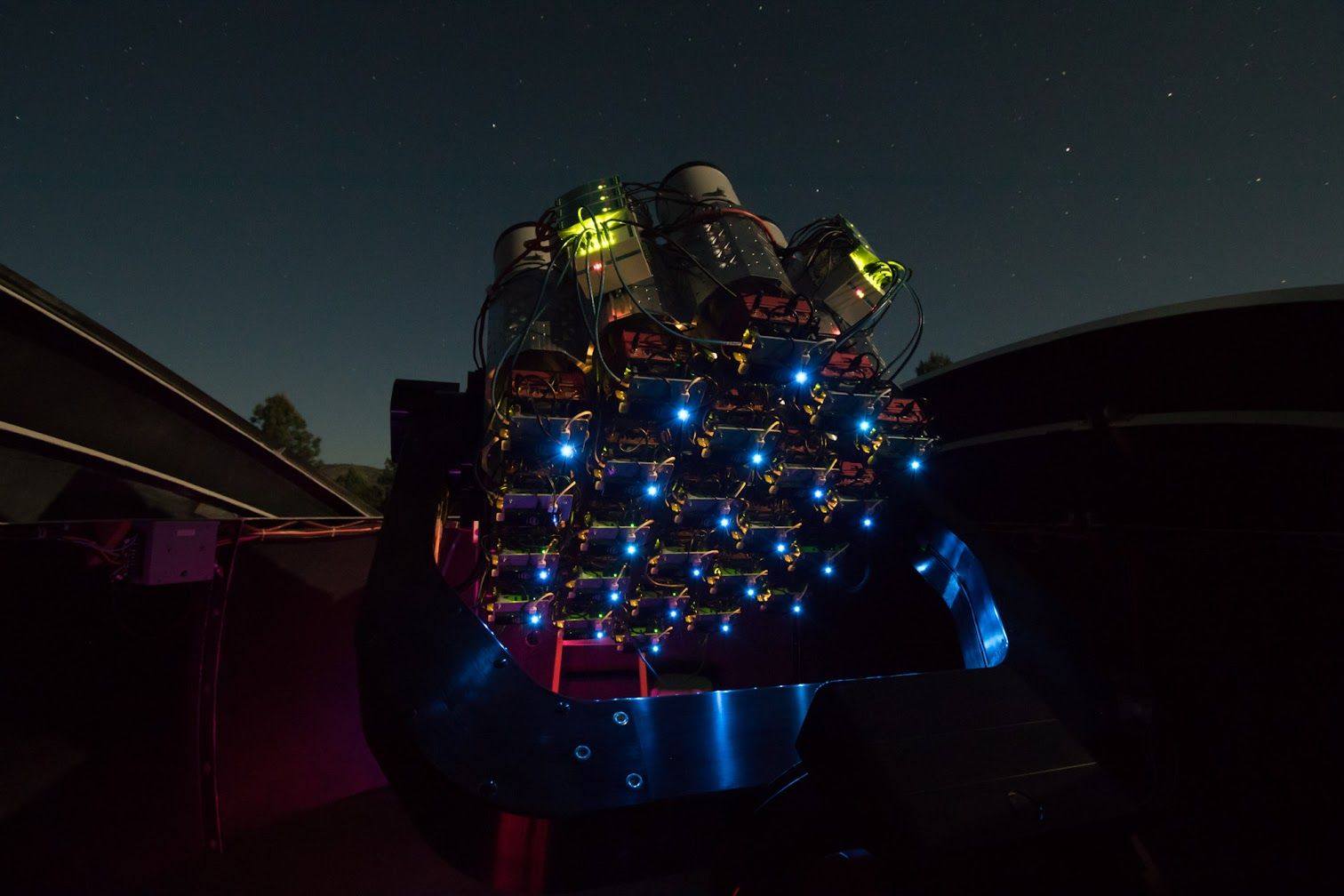
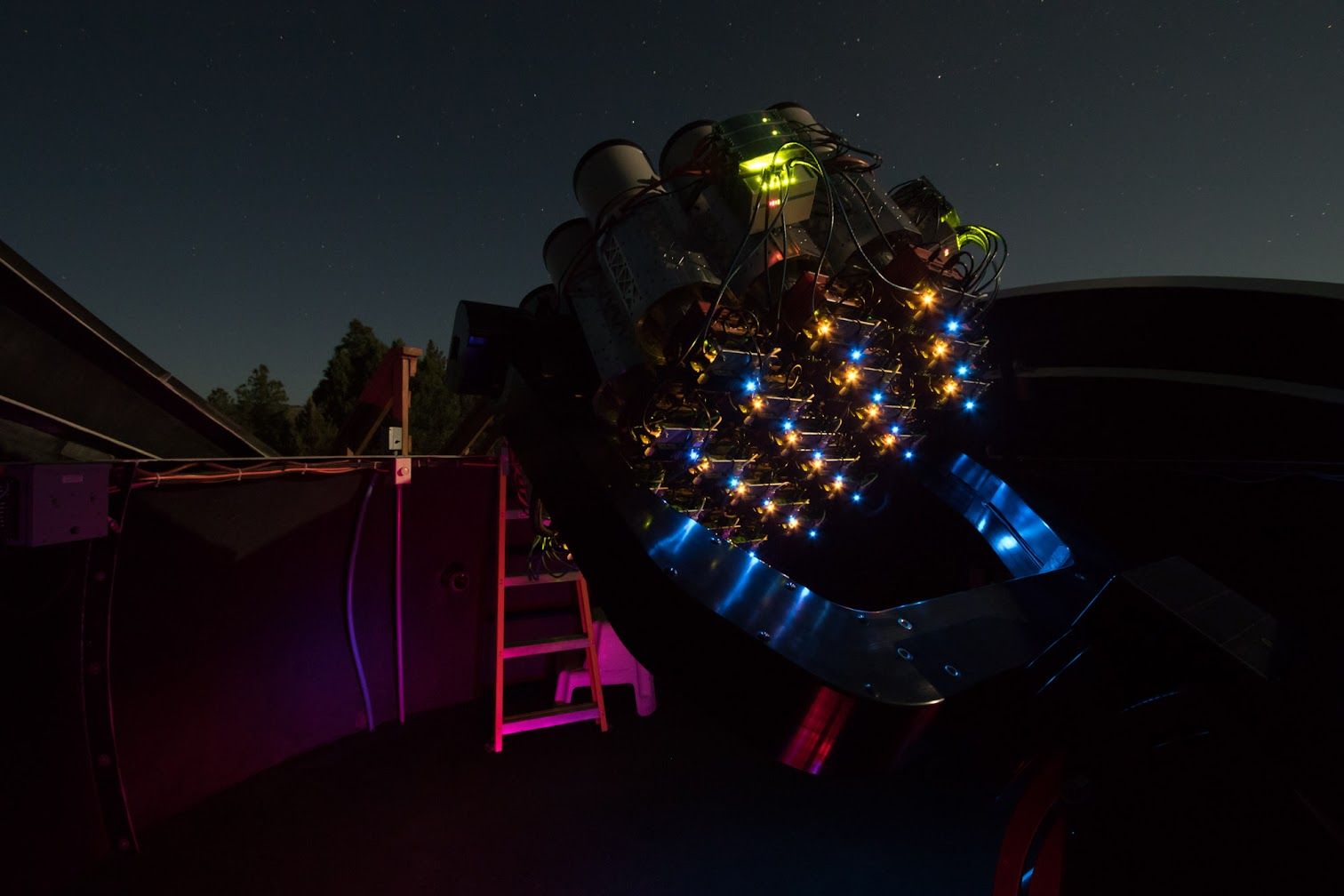
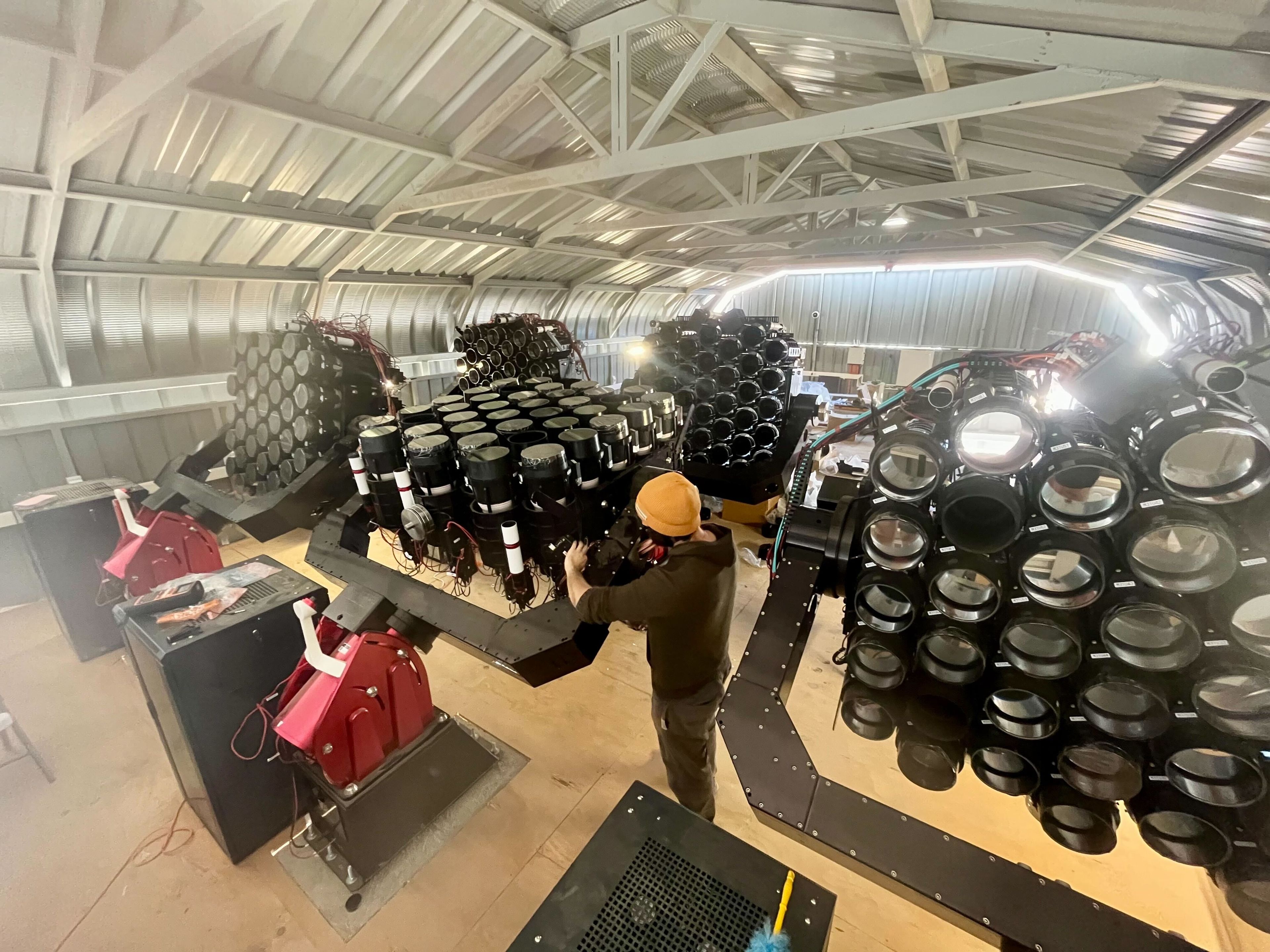
Dragonfly gradually evolved to 48 lenses on two large fork mounts, using private funding from Yale, Harvard and the University of Toronto and further public funding from NSERC. Nice hardware for the time, but the project's secret sauce from the outset has always been the incredible graduate students involved in it. Graduate students helped build the instrument, wrote much of its software, played key roles in the design and analysis of its surveys, wrote most of the papers, and learned how to train the next generation. In doing so they made remarkable discoveries, won tons of prestigious awards and had a lot of fun.
Early Science
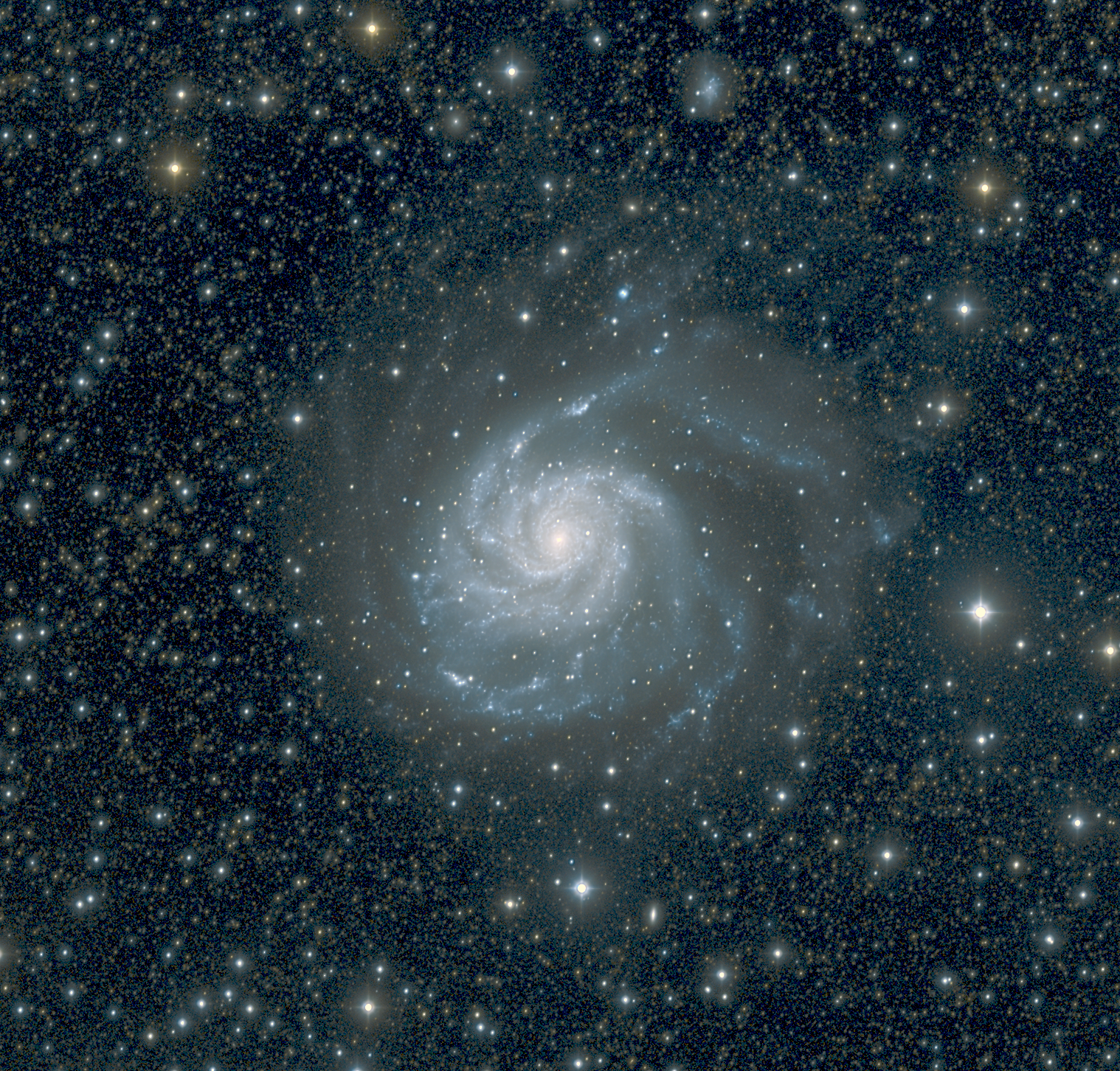
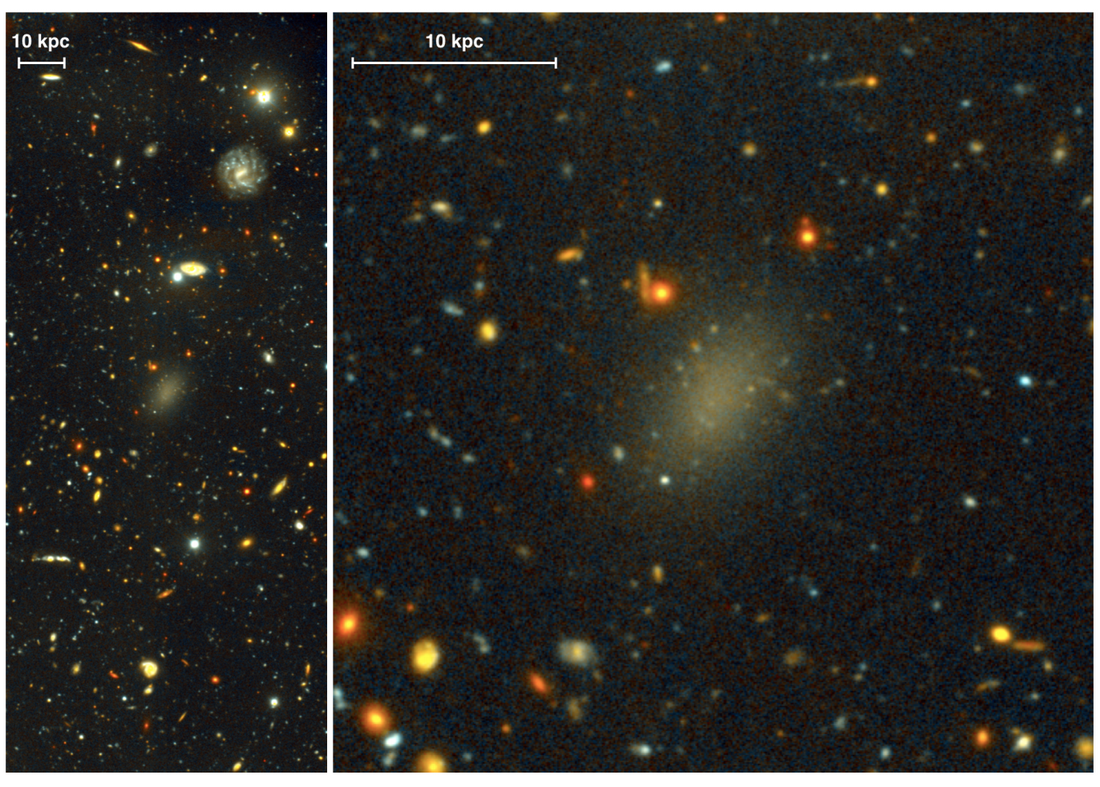
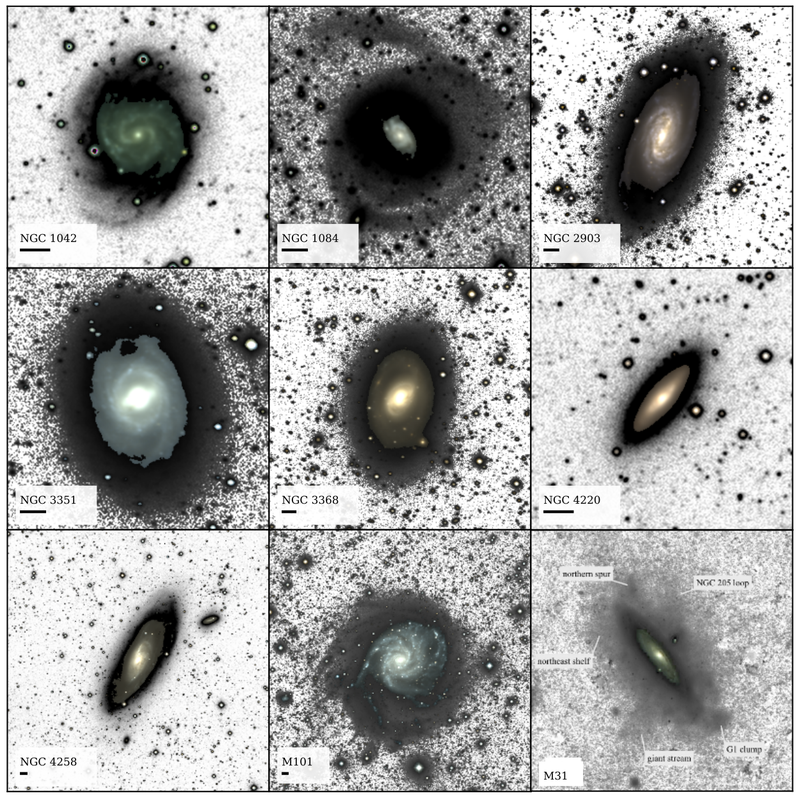
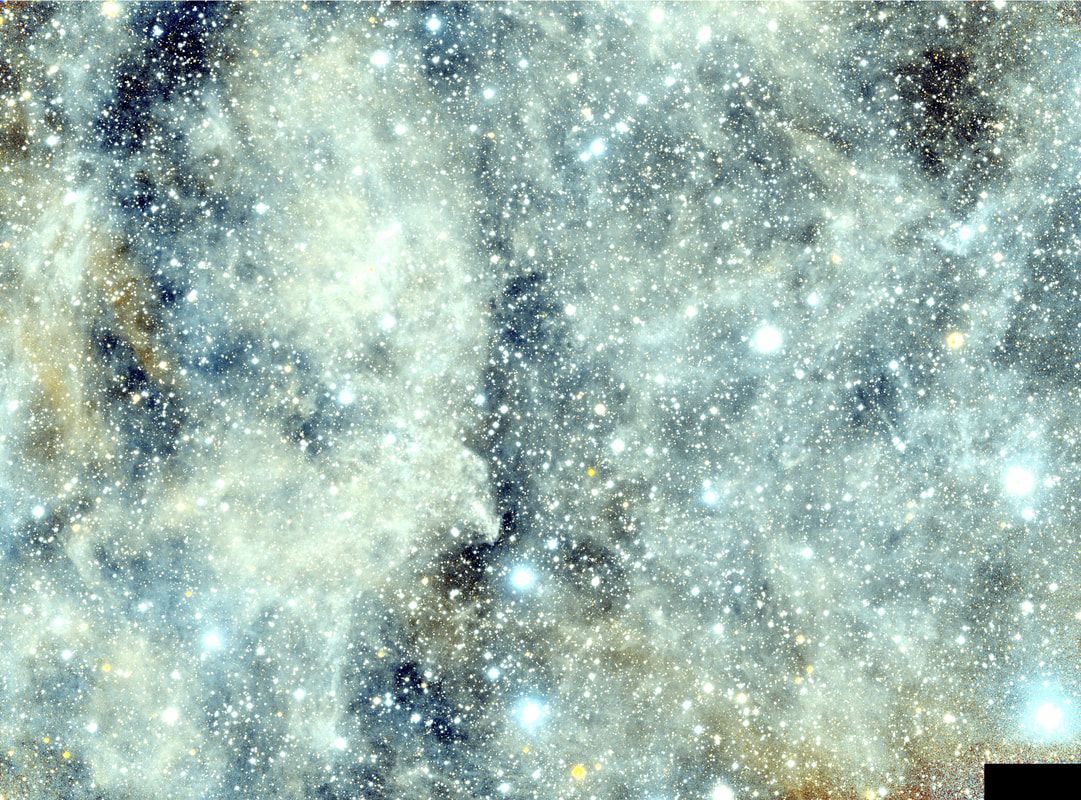
Over the past decade, Dragonfly (Abraham & van Dokkum 2014) probed the low surface brightness outer regions of galaxies down to faint levels hitherto impossible (van Dokkum, Abraham & Merritt 2014), discovered new populations of low surface brightness satellites around nearby galaxies (Merritt et al. 2014), and reported the existence of very extended stellar disks fully as large as neutral hydrogen disks seen with radio telescopes (Zhang et al. 2018). Perhaps most surprisingly, it uncovered a population of giant low surface brightness galaxies (a class of object we named ultra-diffuse galaxies) that had been missed by conventional telescopes (van Dokkum et al. 2015a,b). This discovery led to an explosion of papers (theory-based and observational) that attempt to explain both the existence and the strange properties of these enigmatic objects, and also to wide coverage in the media. Ultra-diffuse galaxies became the star subjects at meetings, and three entire conferences have been organized with ultra-diffuse topics as their sole topic, in Leiden, The Netherlands (“The Bewildering Nature of Ultra-diffuse Galaxies”, August 2018), Sesto, Italy (“The Sunrise of Ultra-diffuse Galaxies”, June 2023), and Benasque, Spain (“10 Years of Ultra-Diffuse Galaxies: Past Perspectives and Future Prospects”, August 2025). In completely unexpected discoveries, some ultra-diffuse galaxies appear to be the most dark matter dominated objects in the Universe (van Dokkum et al. 2016, 2017, 2019), while others appear to contain no dark matter at all (van Dokkum et al. 2018; Danieli et al. 2019a, 2019b). In terms of online attention (Nature’s altmetric score), the 2018 paper announcing the discovery of the first of these dark matter-free galaxies, NGC1052-DF2, is in the 99th percentile (ranked 5th) of all Nature papers of similar age.
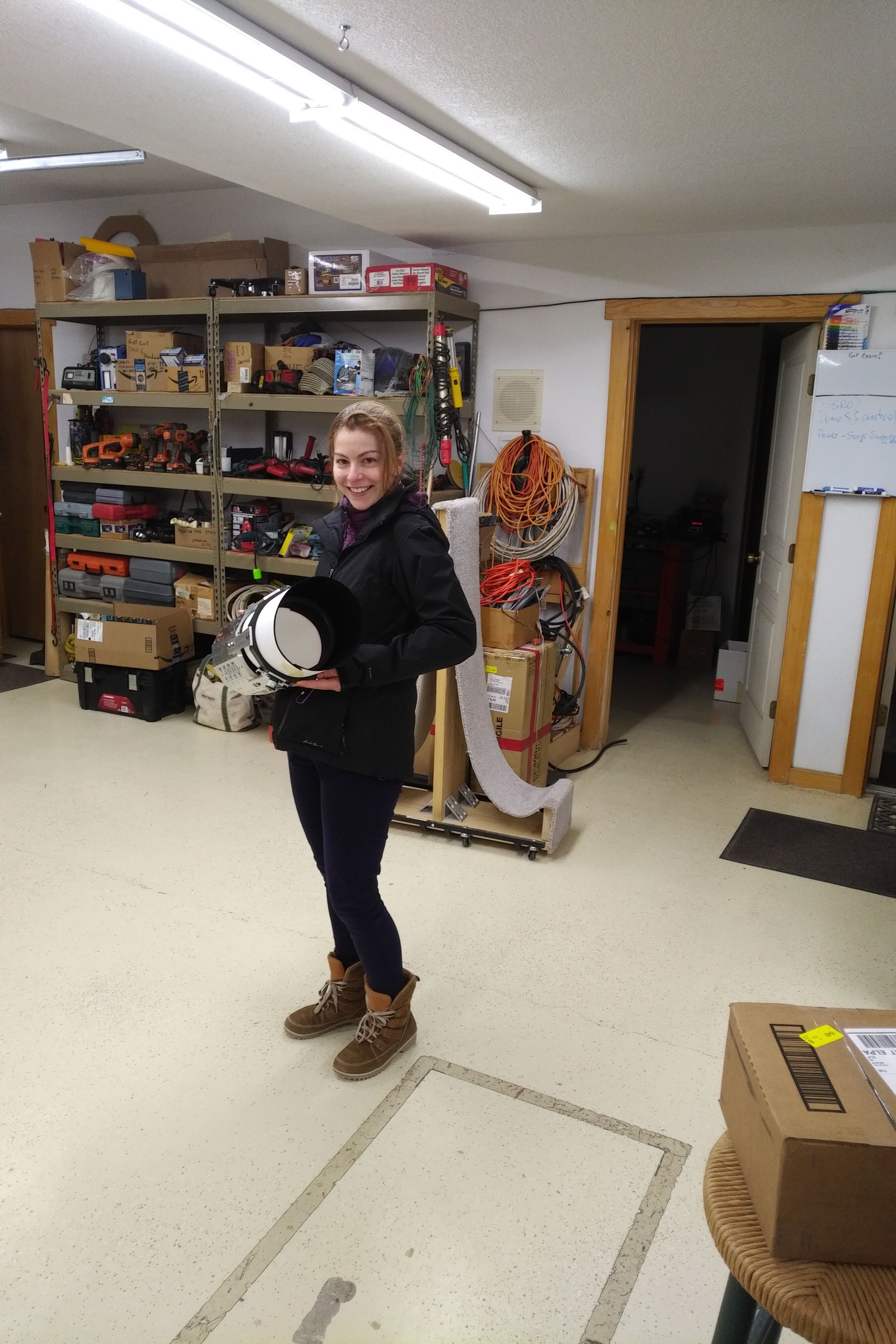
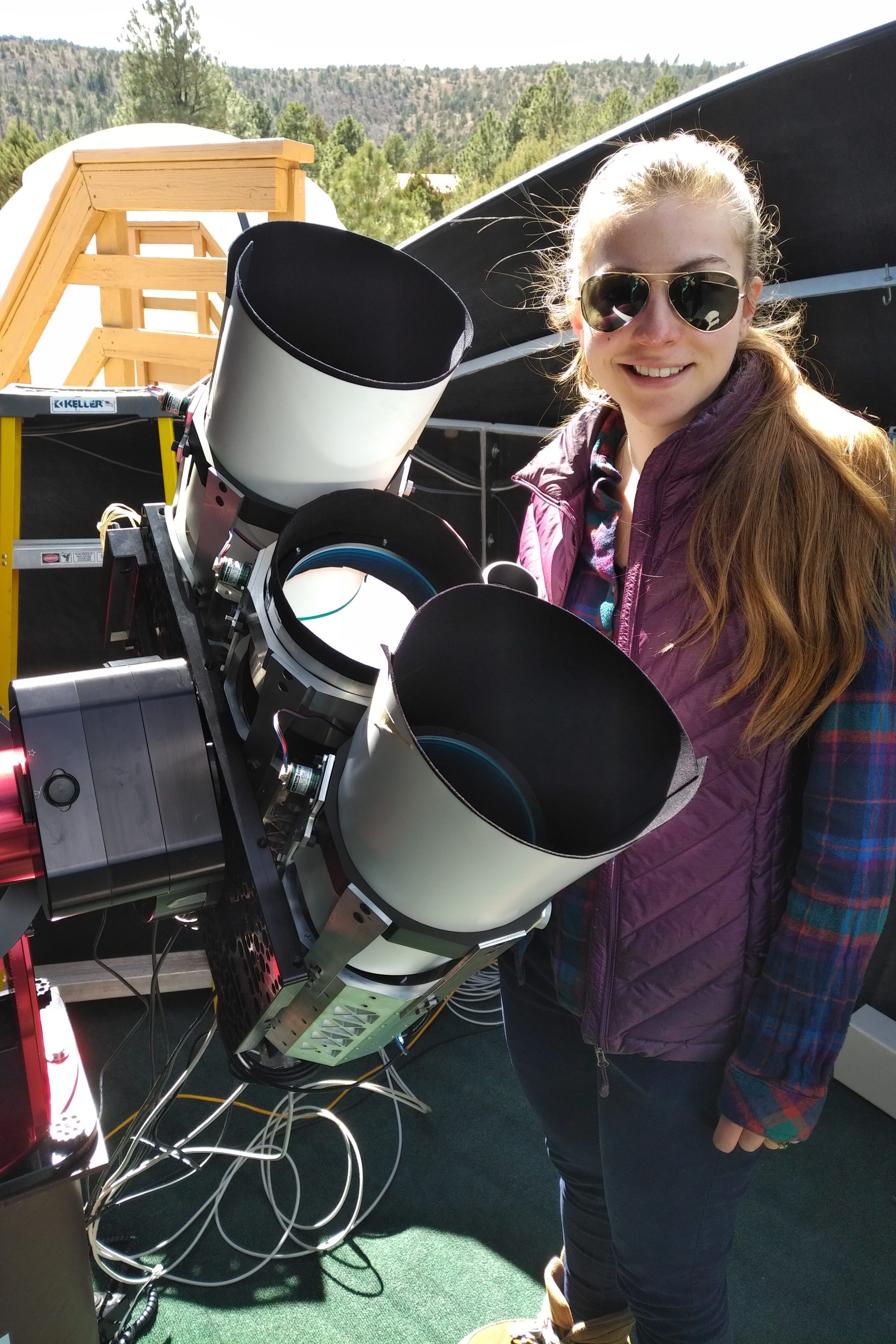
The DSLM Pathfinder - Our Skunkworks Project
As part of her Ph.D. work with Abraham and van Dokkum, Deborah Lokhorst (University of Toronto) worked with computational cosmologist Joop Schaye (University of Leiden) to model the visibility of the cosmic web in Hydrogen alpha emission. In a 2019 paper led by Lokhorst, we analyzed state of the art computer simulations to determine whether equipping our existing 48-lens array with narrow-band filters would let us image the cosmic web, and determined that “[..] a Dragonfly-like telescope would require integration times of tens of thousands of hours to trace out directly the structure of the cosmic web [..]”. We concluded that the cosmic web was out of reach with our existing setup, but ended on an optimistic note: “The effective aperture of small telescope arrays can be scaled up relatively easily, and because they build up aperture by averaging over many beams, control over systematics grows in lockstep with the size of the array.” The final sentence of the abstract of the paper attaches a number to this ambition: “Detecting Hα emission from the diffuse intergalactic medium (the “cosmic web”) is beyond current capabilities but would be possible with a hypothetical 1000-lens Dragonfly array.”
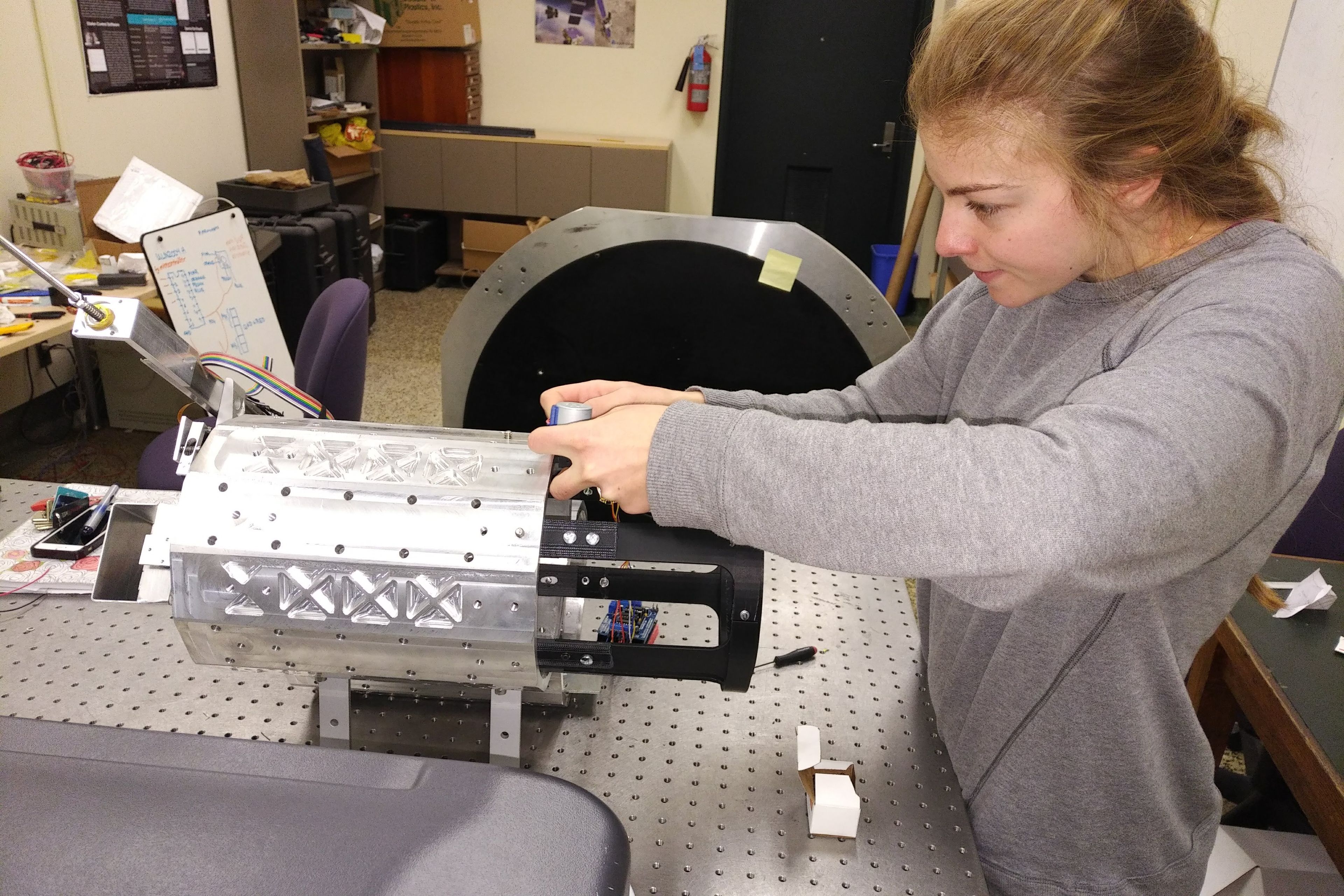
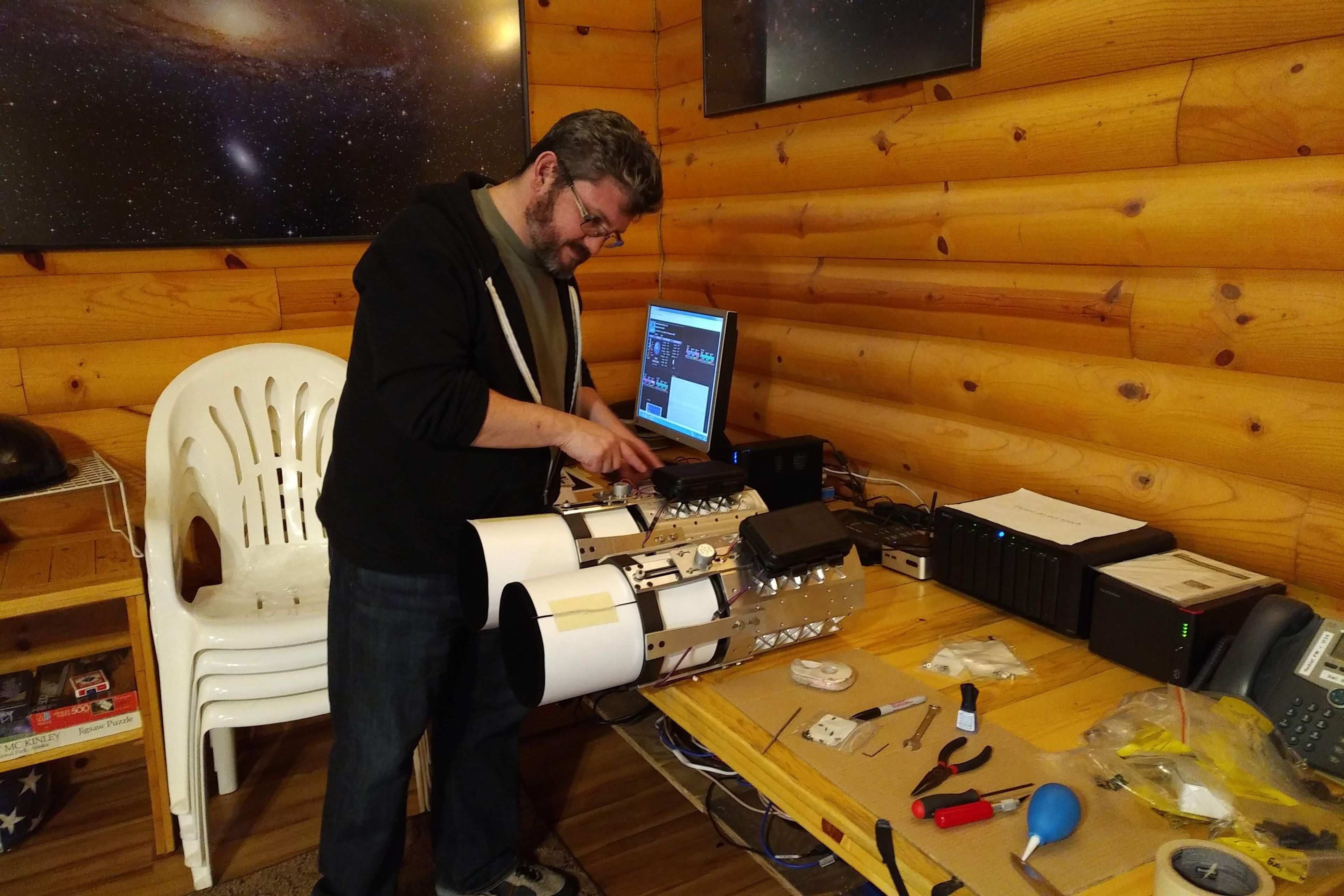
We decided then and there to try to build such a thing! The only problem was the cost (a back-of-envelope $50M). But you need to start somewhere, so in 2019 – 2021 we designed, built and operated a three-lens prototype Dragonfly Spectral Line Mapper (DSLM) Pathfinder, on the same site as the original Dragonfly Imager. This work was led by Lokhorst as part of her Ph.D. thesis, which was an almost unheard-of triple headed combination of theory, instrumentation and observation. This skunkworks project laid the groundwork for our eventual massive expansion of the array. In recognition of her achievements, Lokhorst was awarded the 2023 Robert J. Trumpler award by the Astronomical Society of the Pacific, “in recognition of a PhD thesis considered unusually important to astronomy”
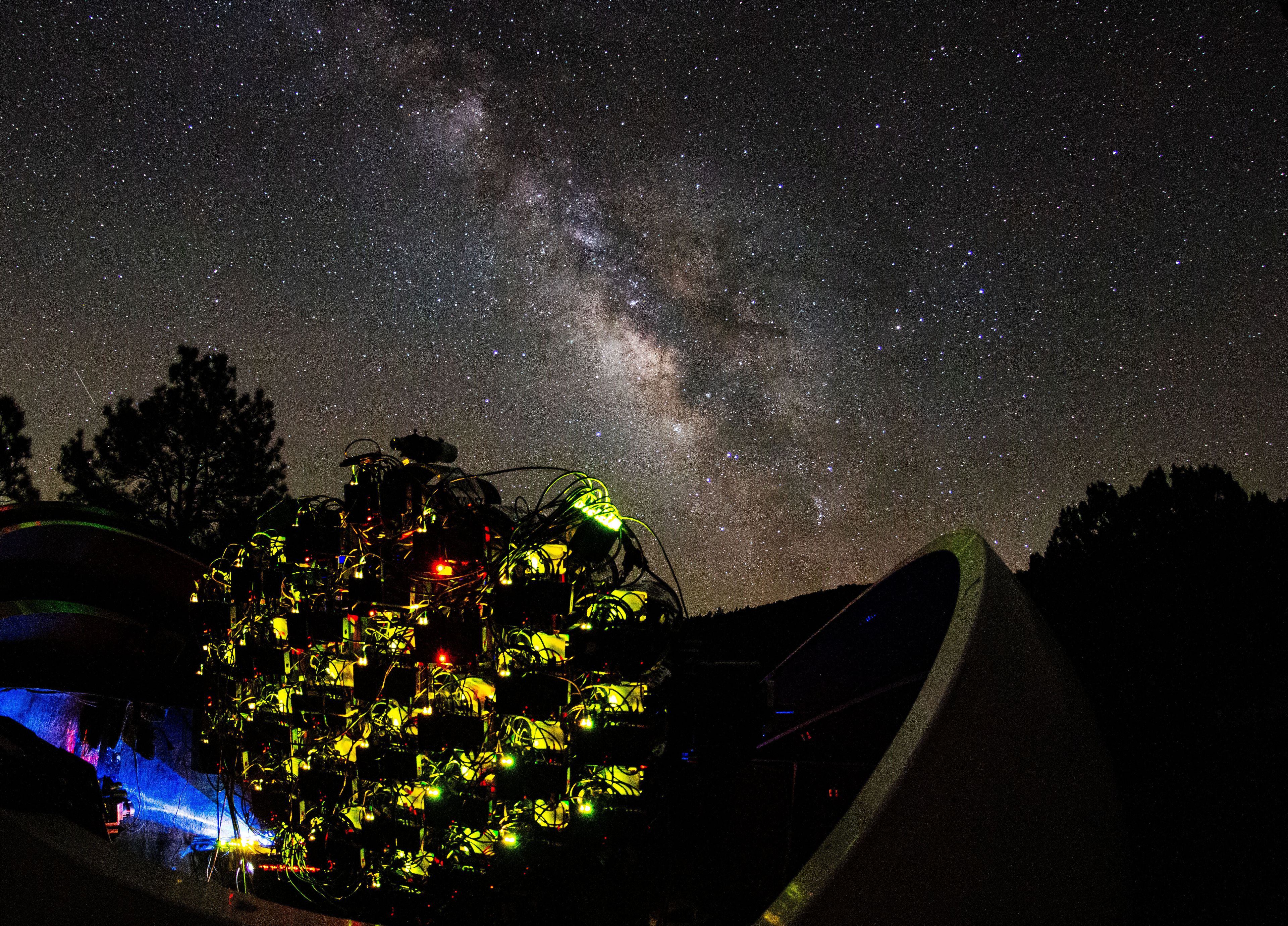
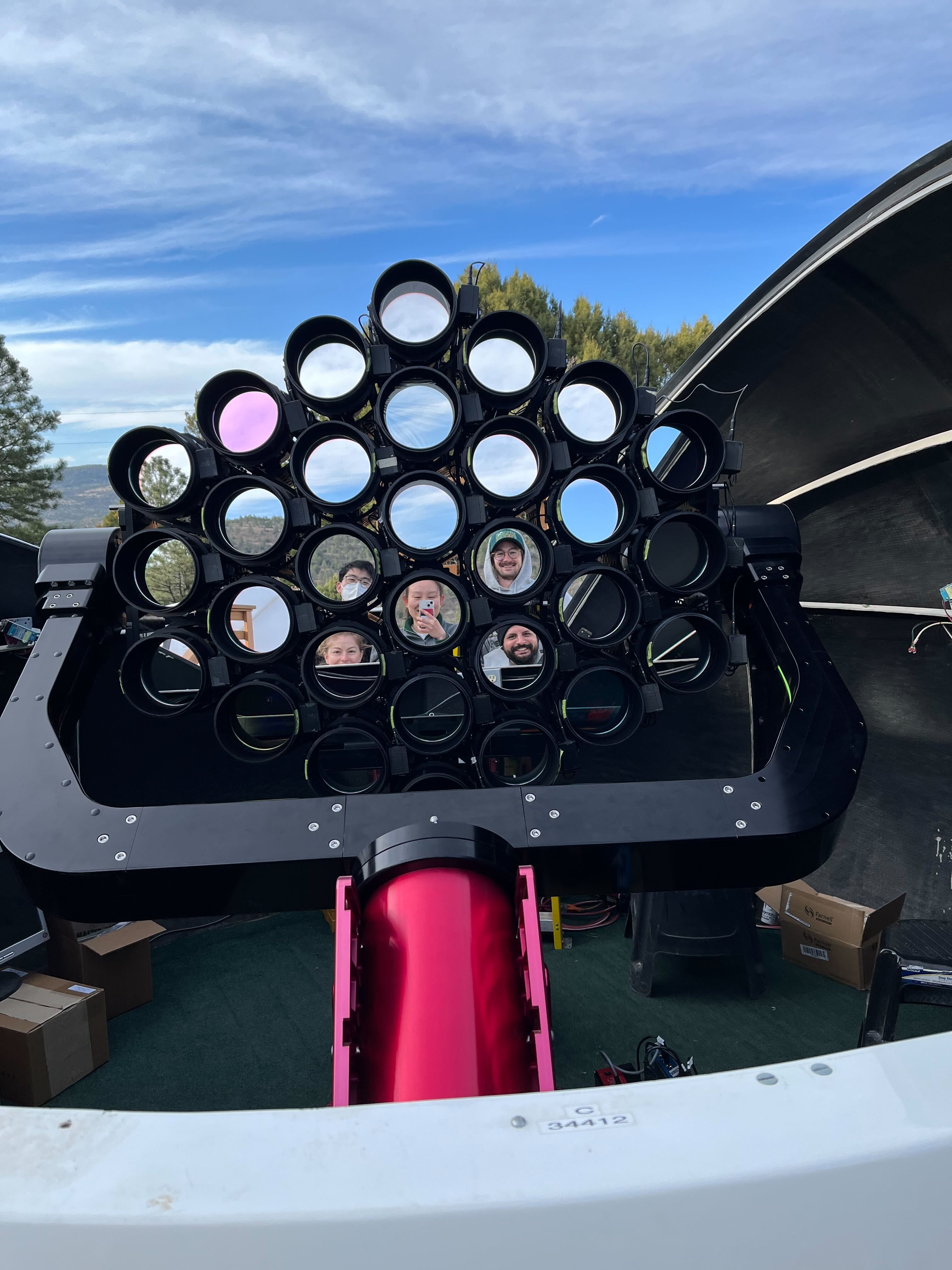
DSLM120 - the basis for MOTHRA
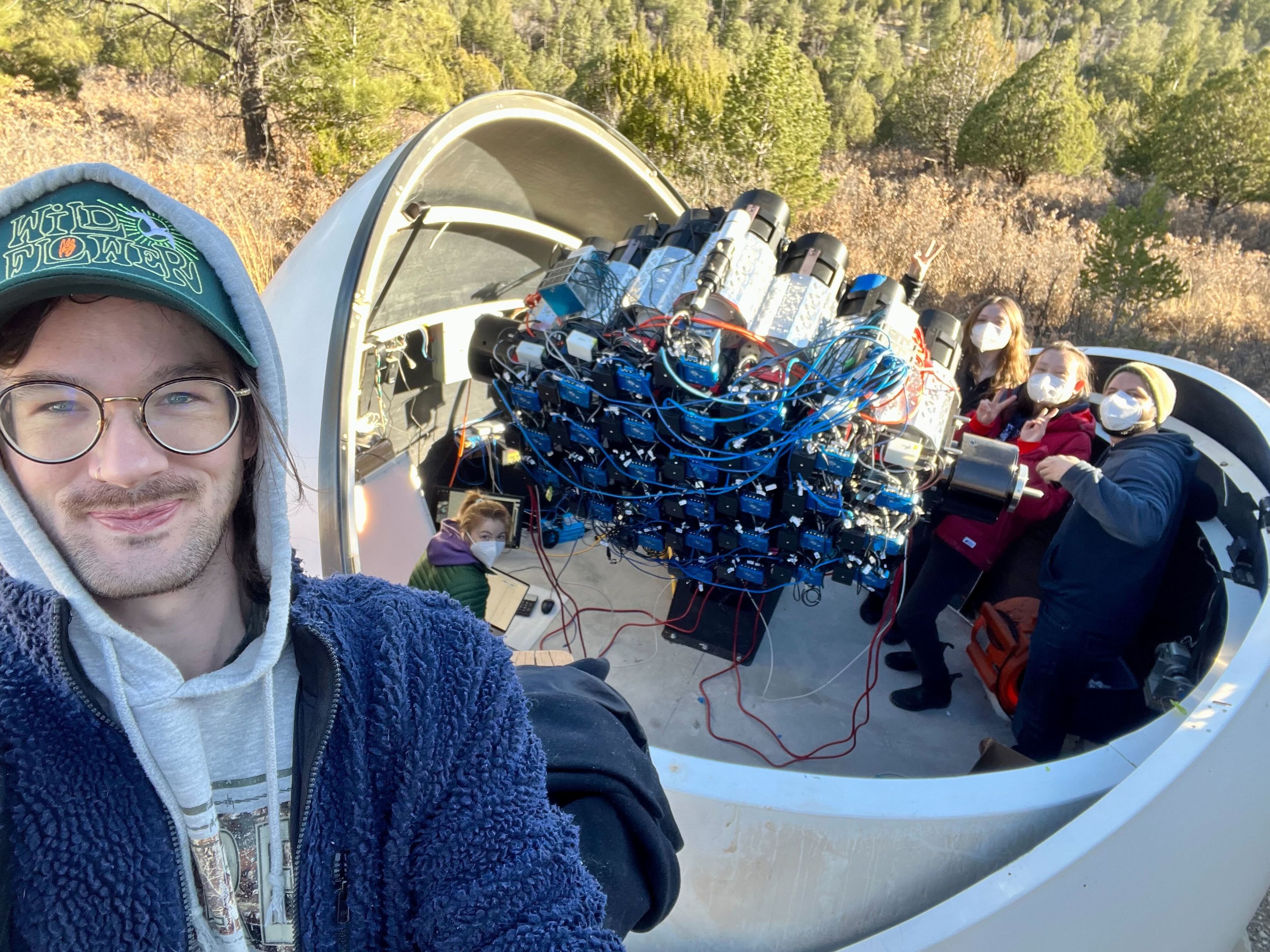
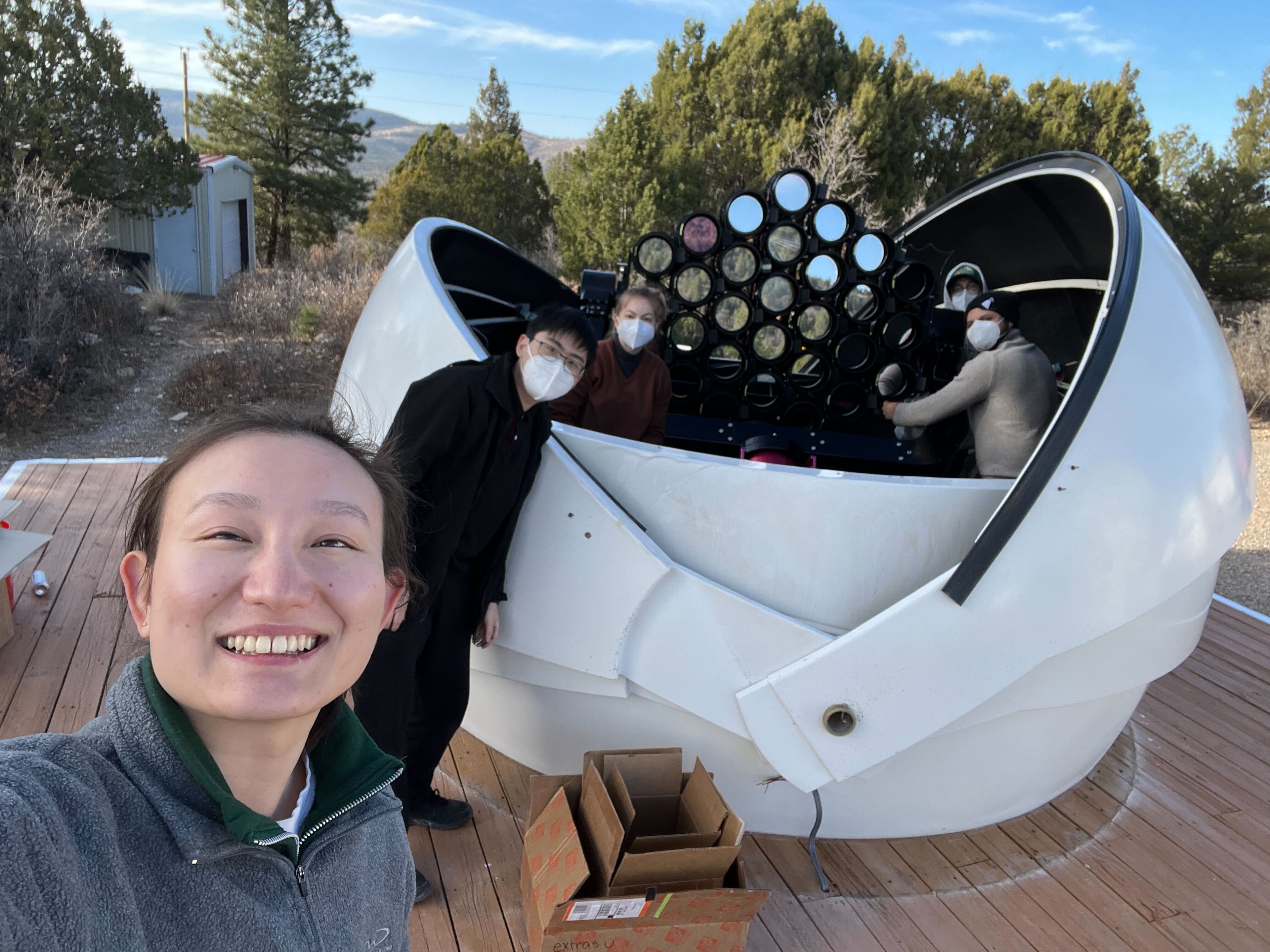
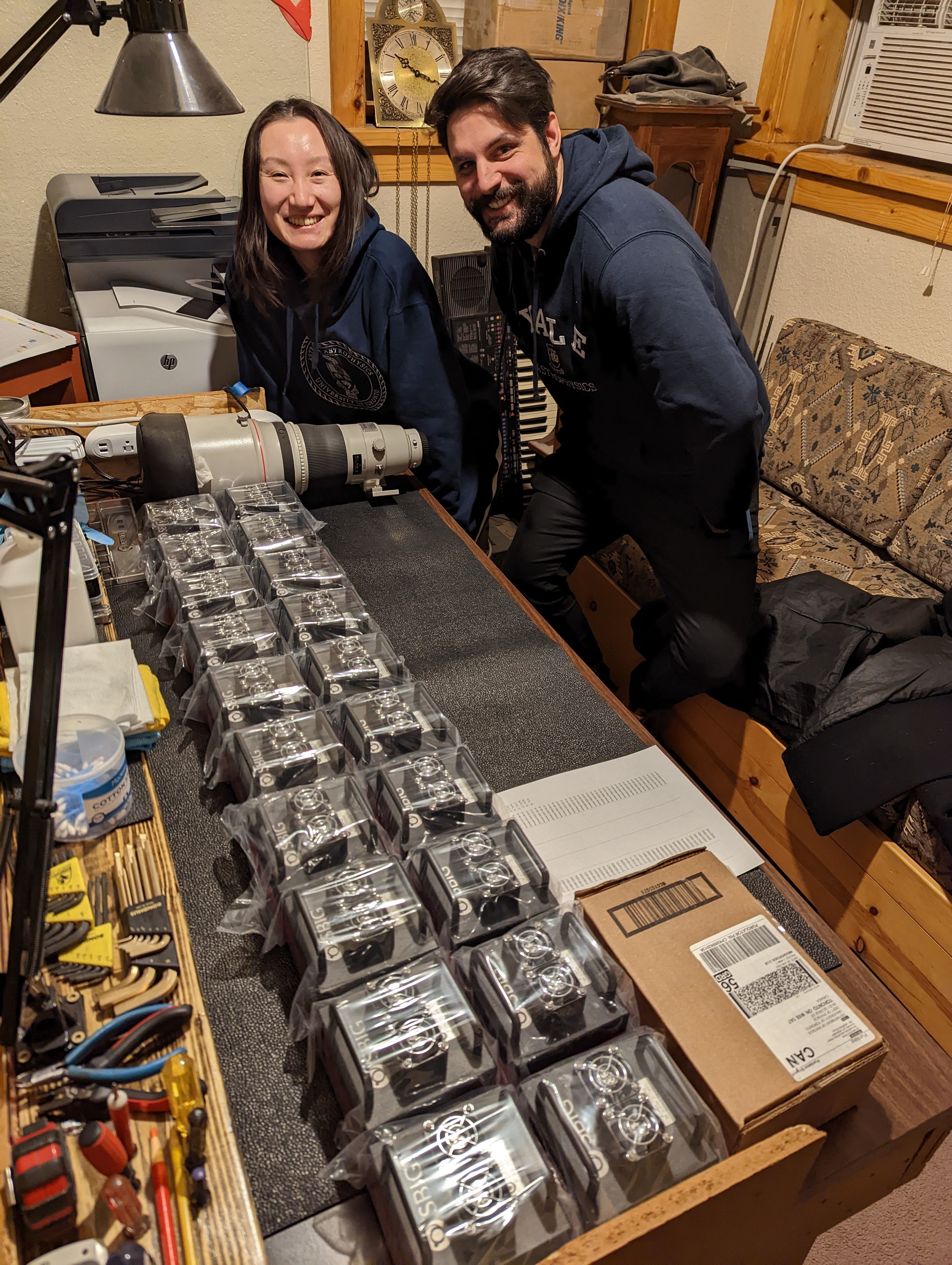
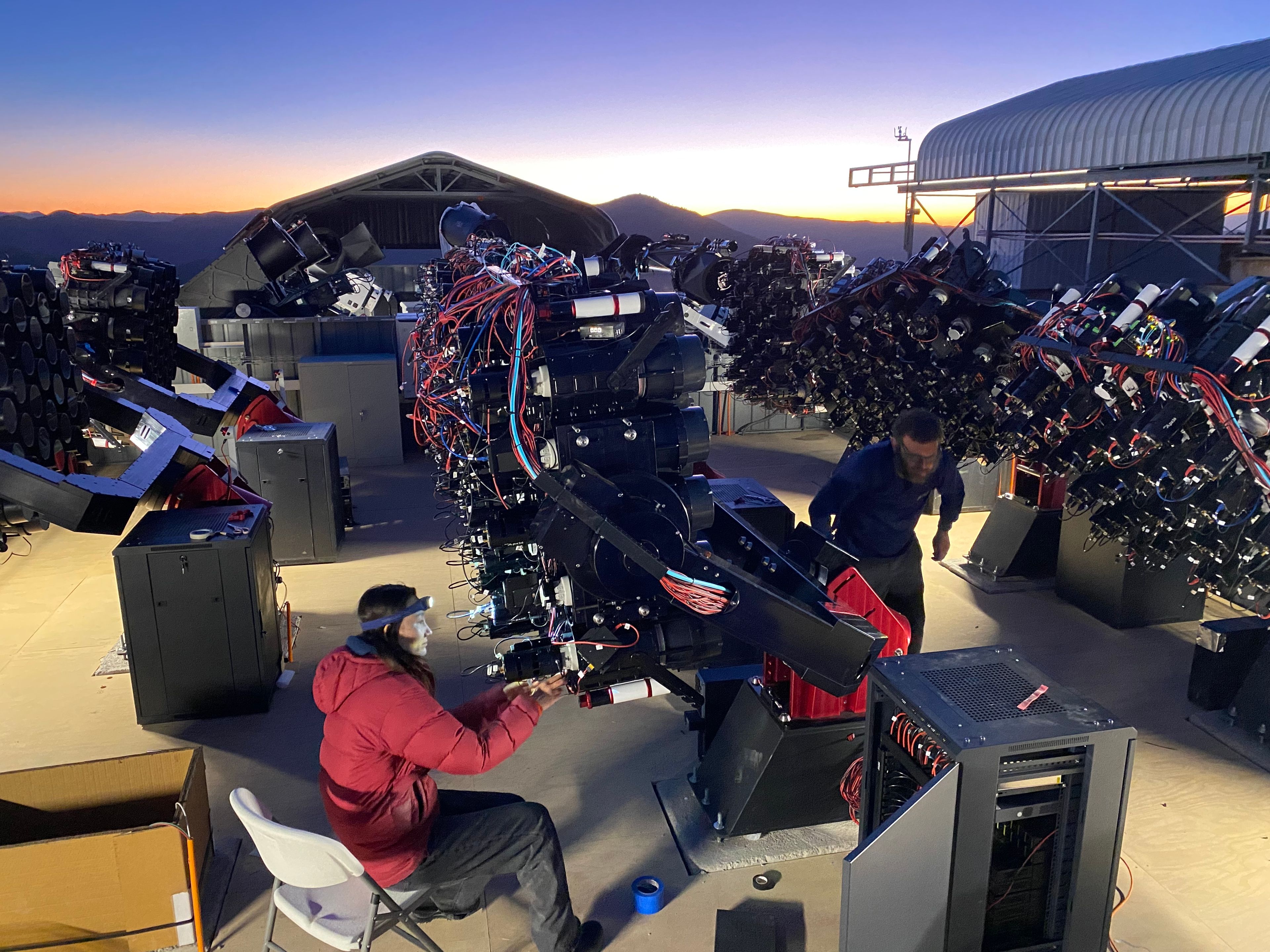
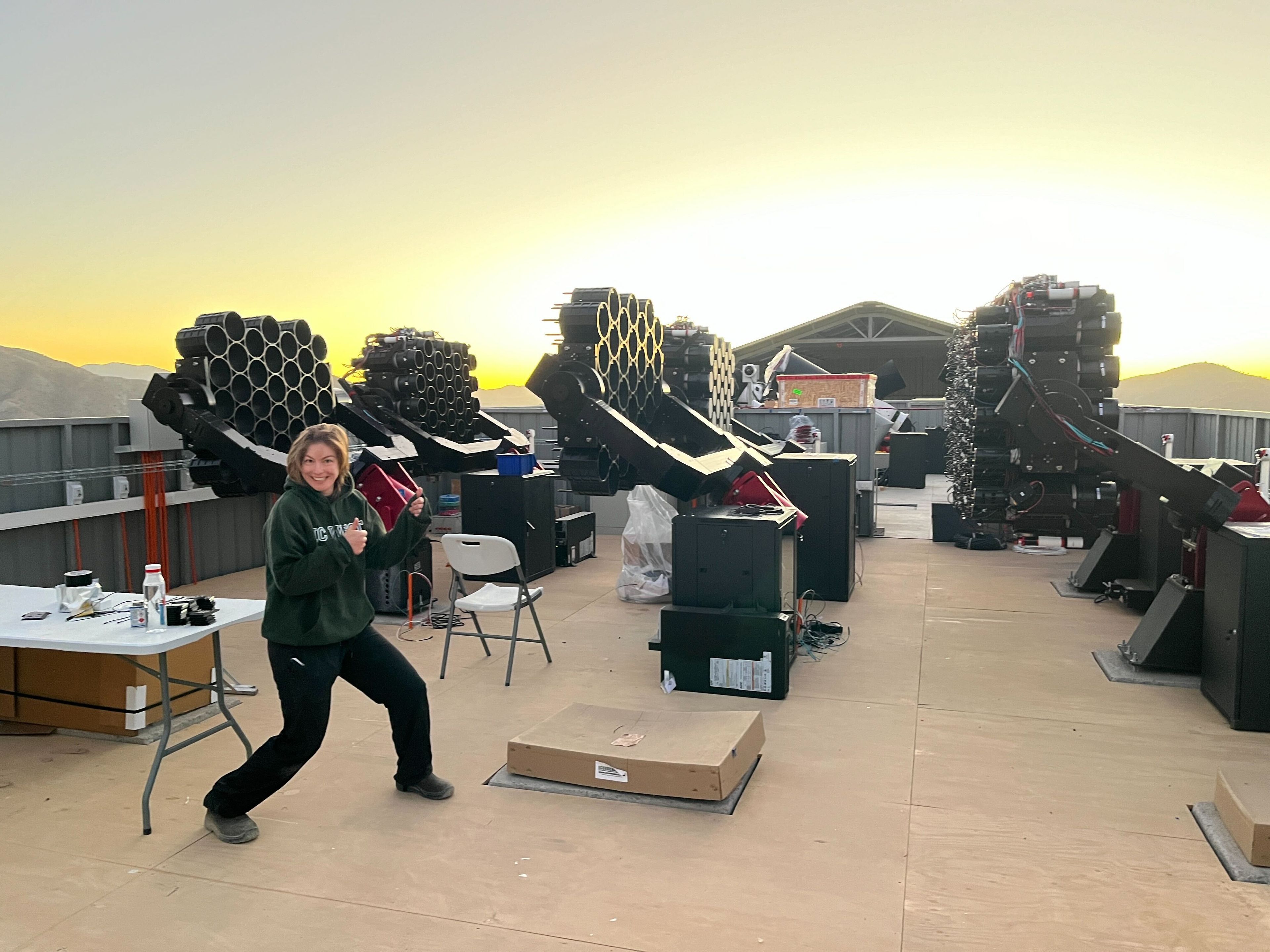
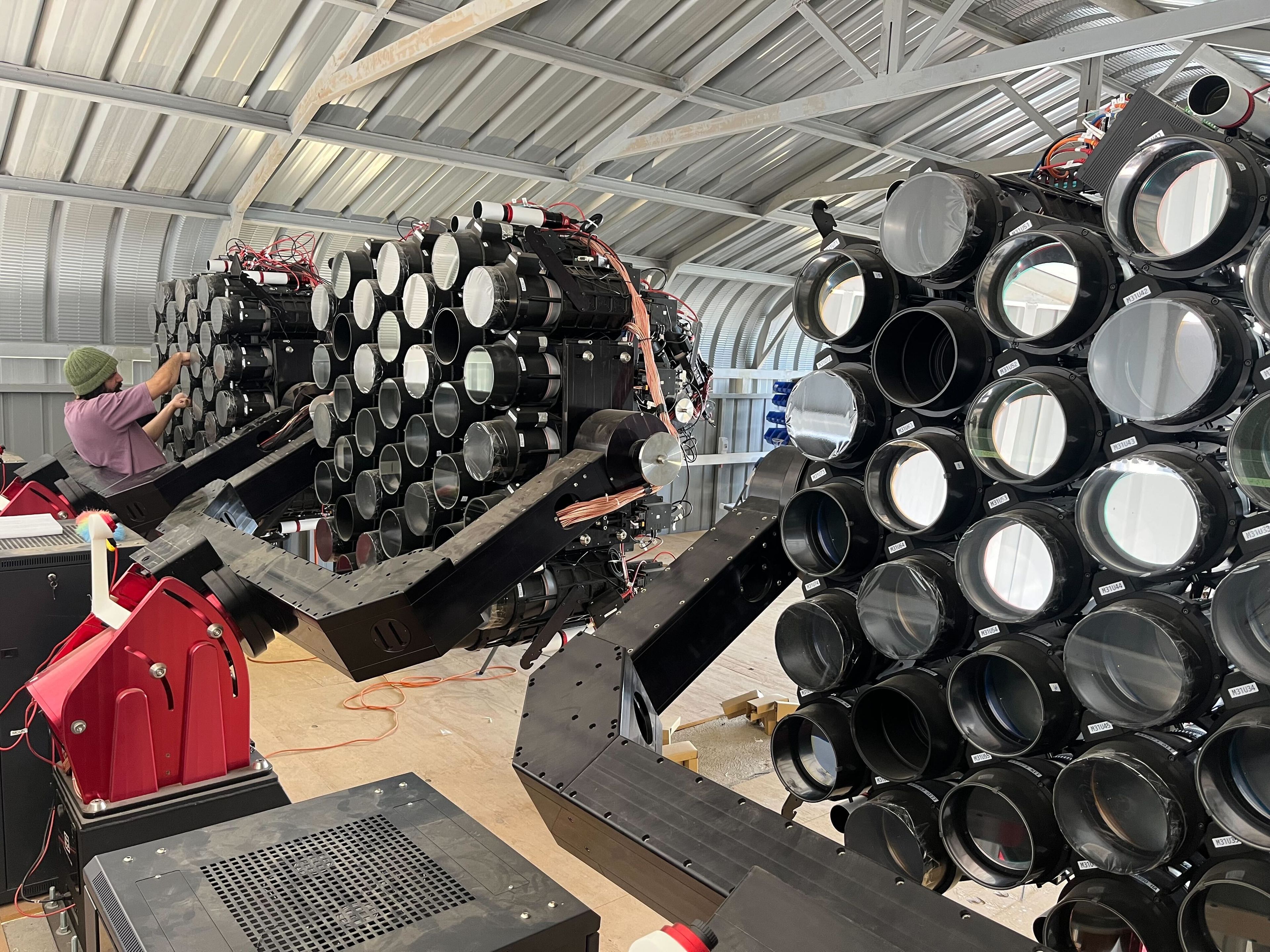
The successful demonstration of our concept led to funding for a 120 lens Spectral Line Mapper (DSLM120), with 30 lenses on each of four mounts. This project was funded jointly by the Canada Foundation for Innovation, the University of Toronto, and Yale University. Its design and construction occurred during the midst of the pandemic, led by students Seery Chen (Toronto), Imad Pasha (Yale), Qing Liu (Toronto) and postoc Will Bowman (Yale). DSLM120 was nearly finished when, as if by a miracle, we secured private funding for the full 1000 lens array via a private donation. This led to an instant pivot, with DSLM120 turning into an advanced technology test bed for the 1000 lens array. The array proved critical in this role, letting us shake down all the proposed changes for the 1000 lens array, most notably new CMOS cameras, notch filters for continuum removal, and a greatly improved software stack. Once we were confident that everything was working, construction of MOTHRA began, with most of DSLM120 moving to Chile to form the core of the first three MOTHRA arrays.
Dragonfly transforms into MOTHRA
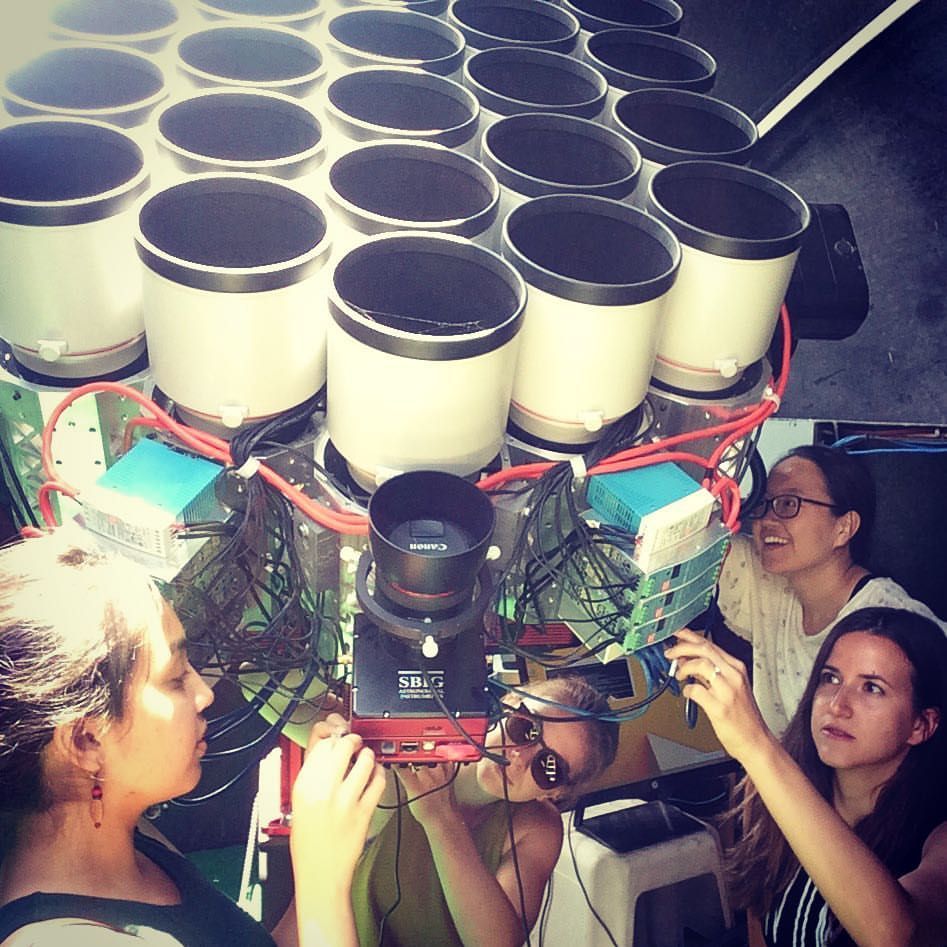
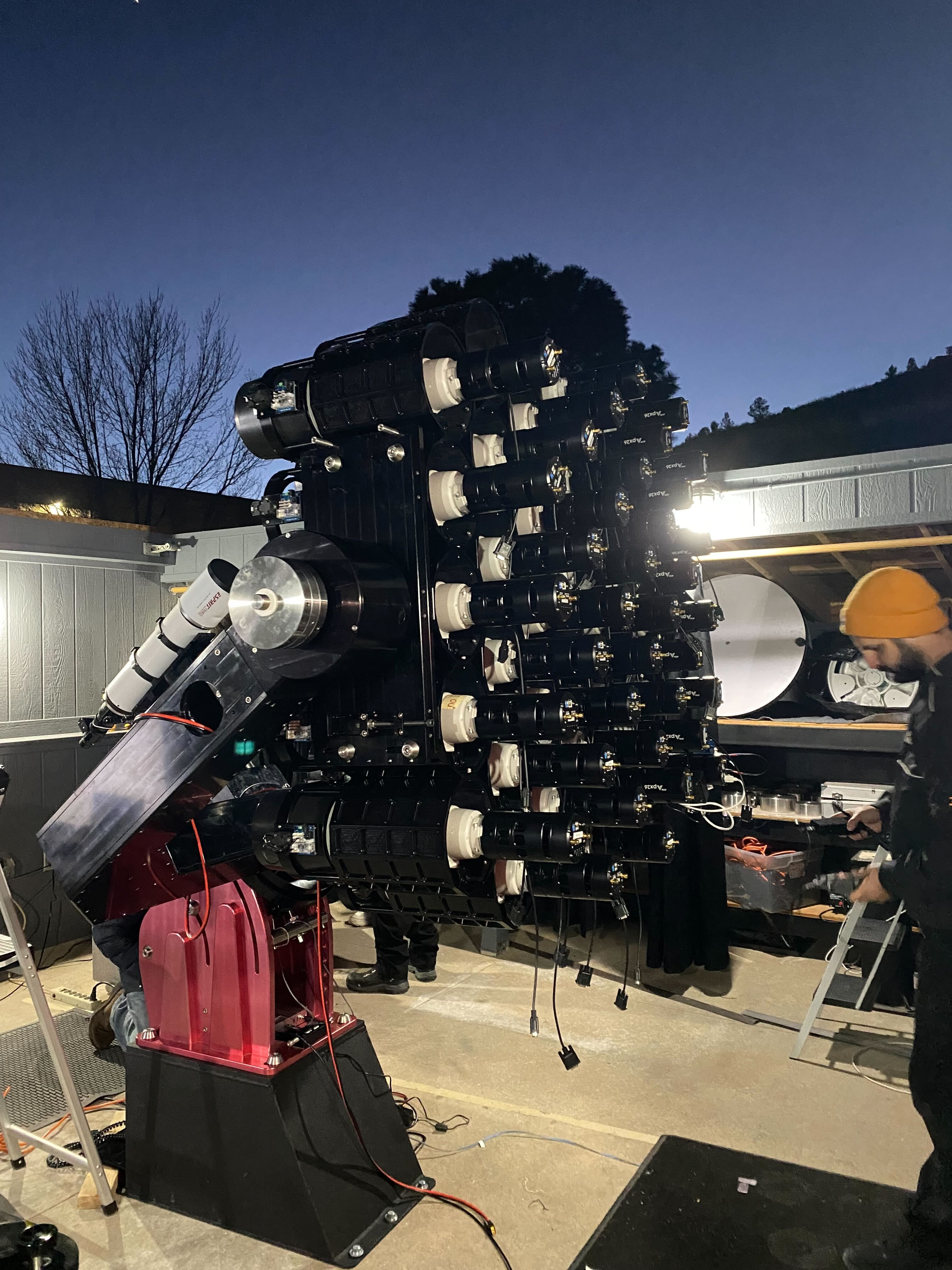
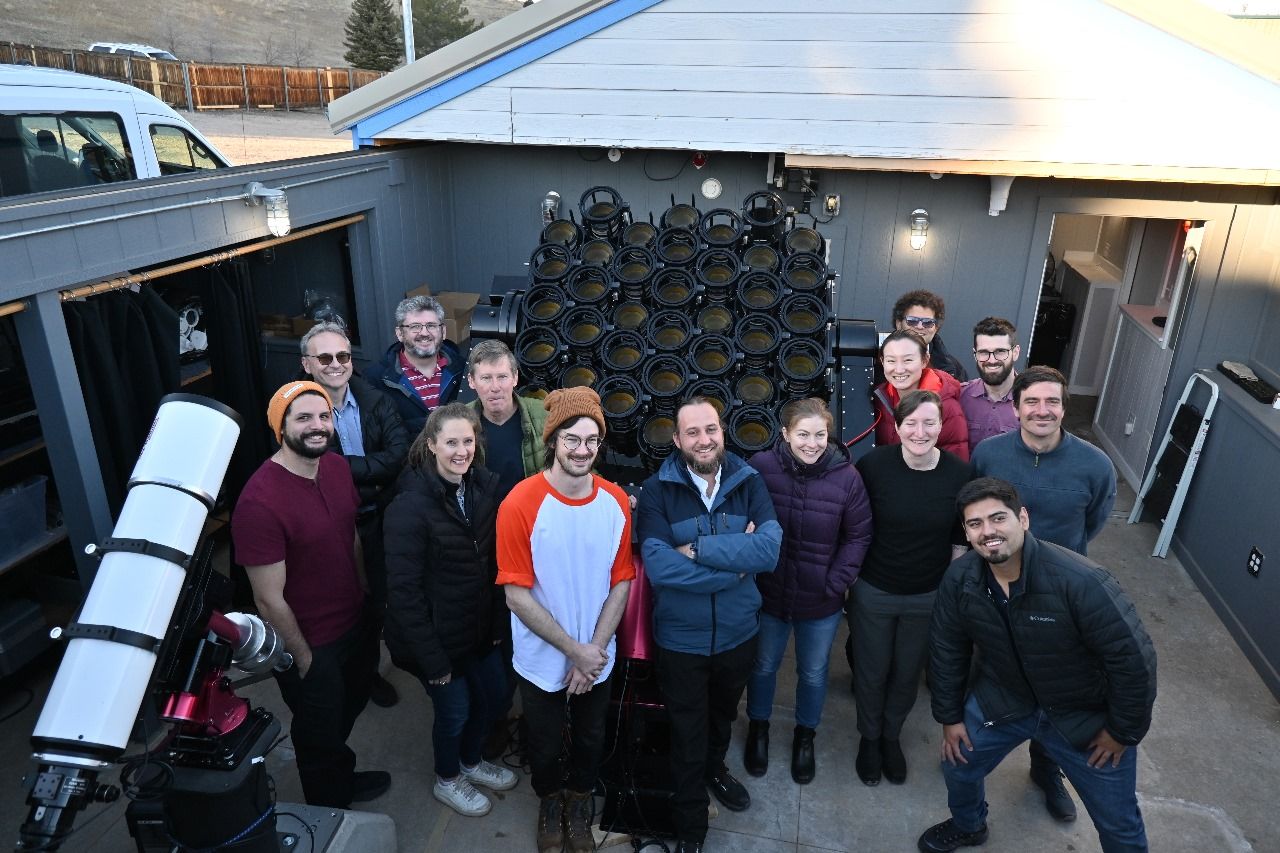
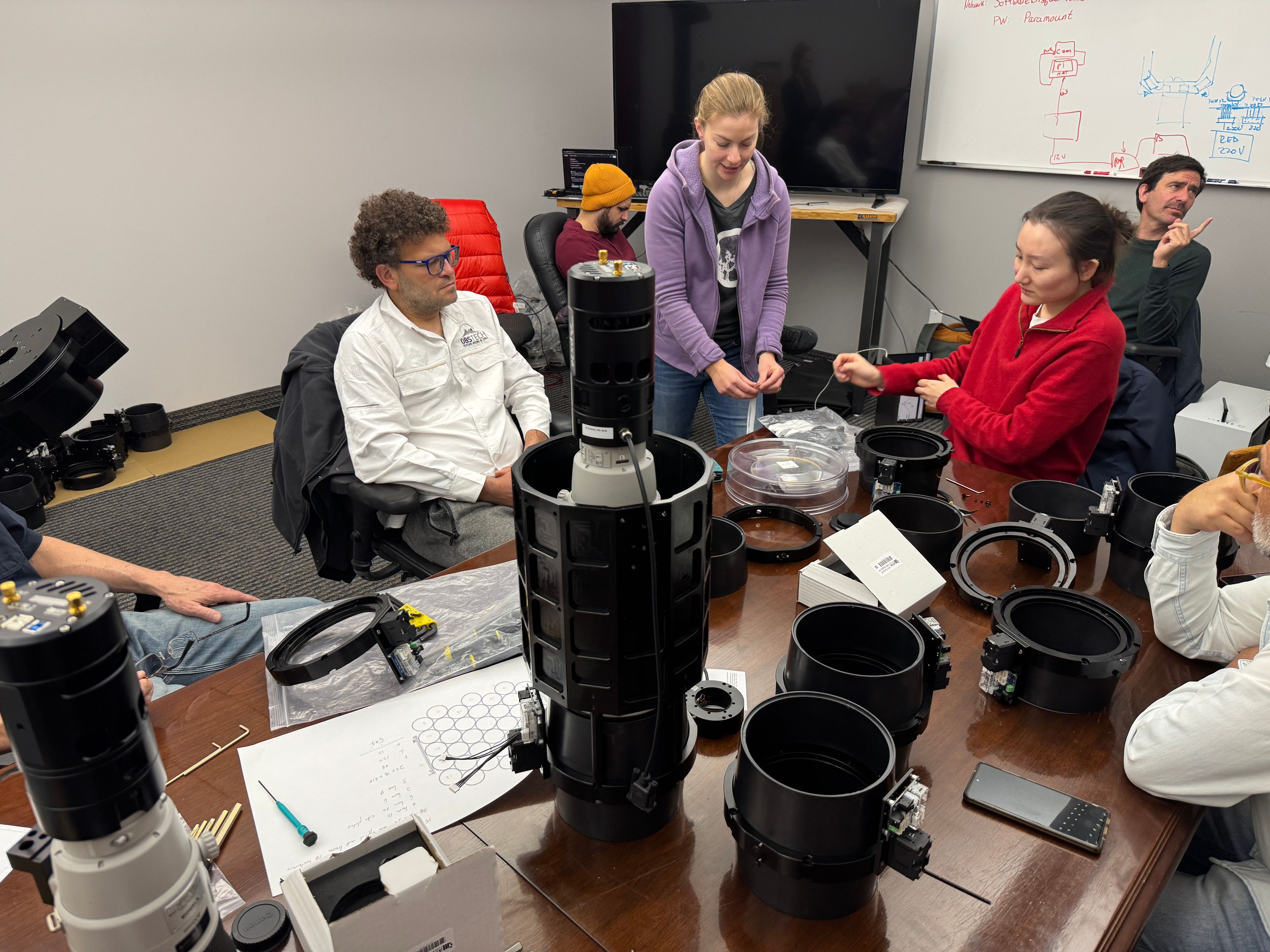
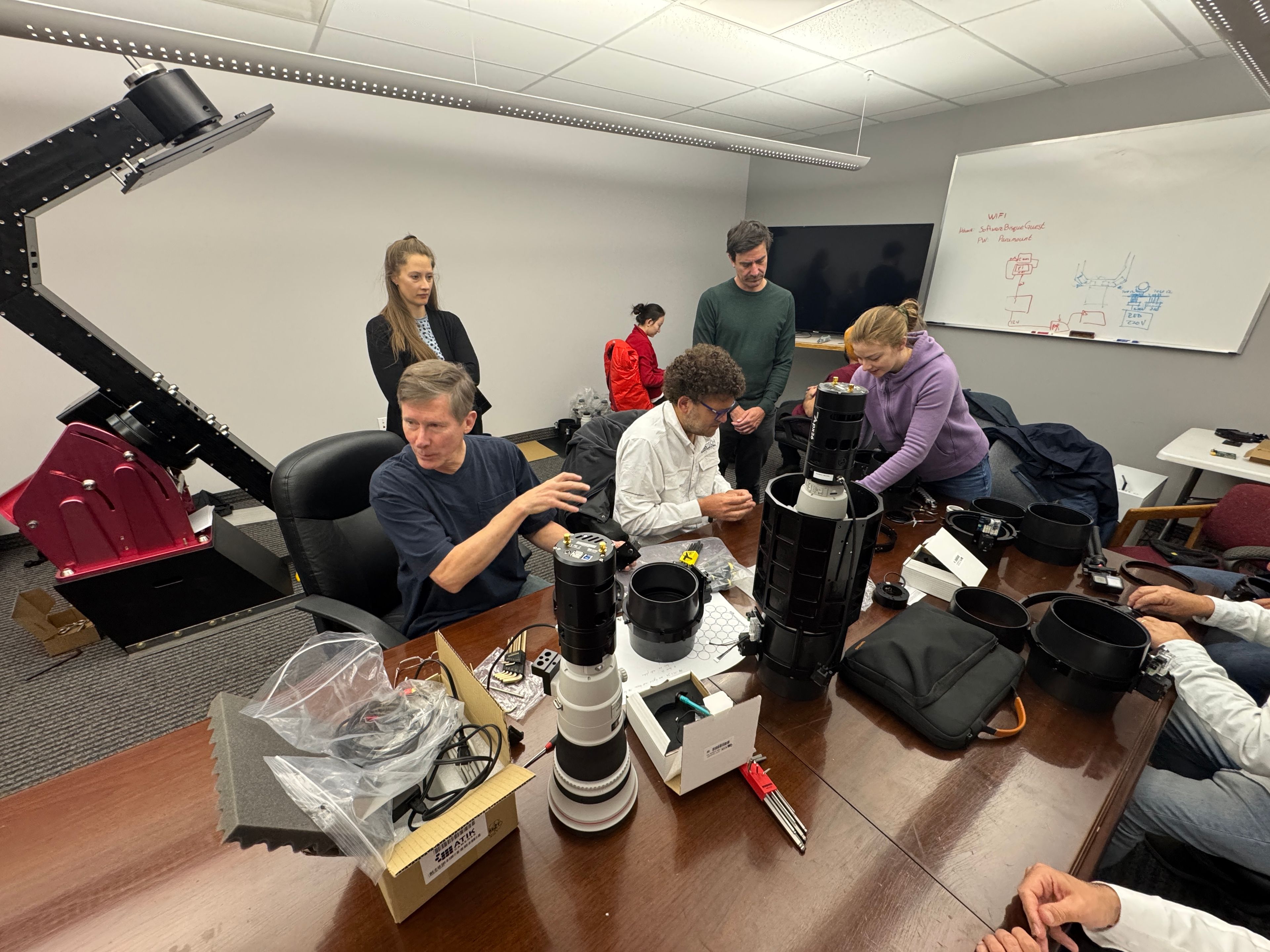
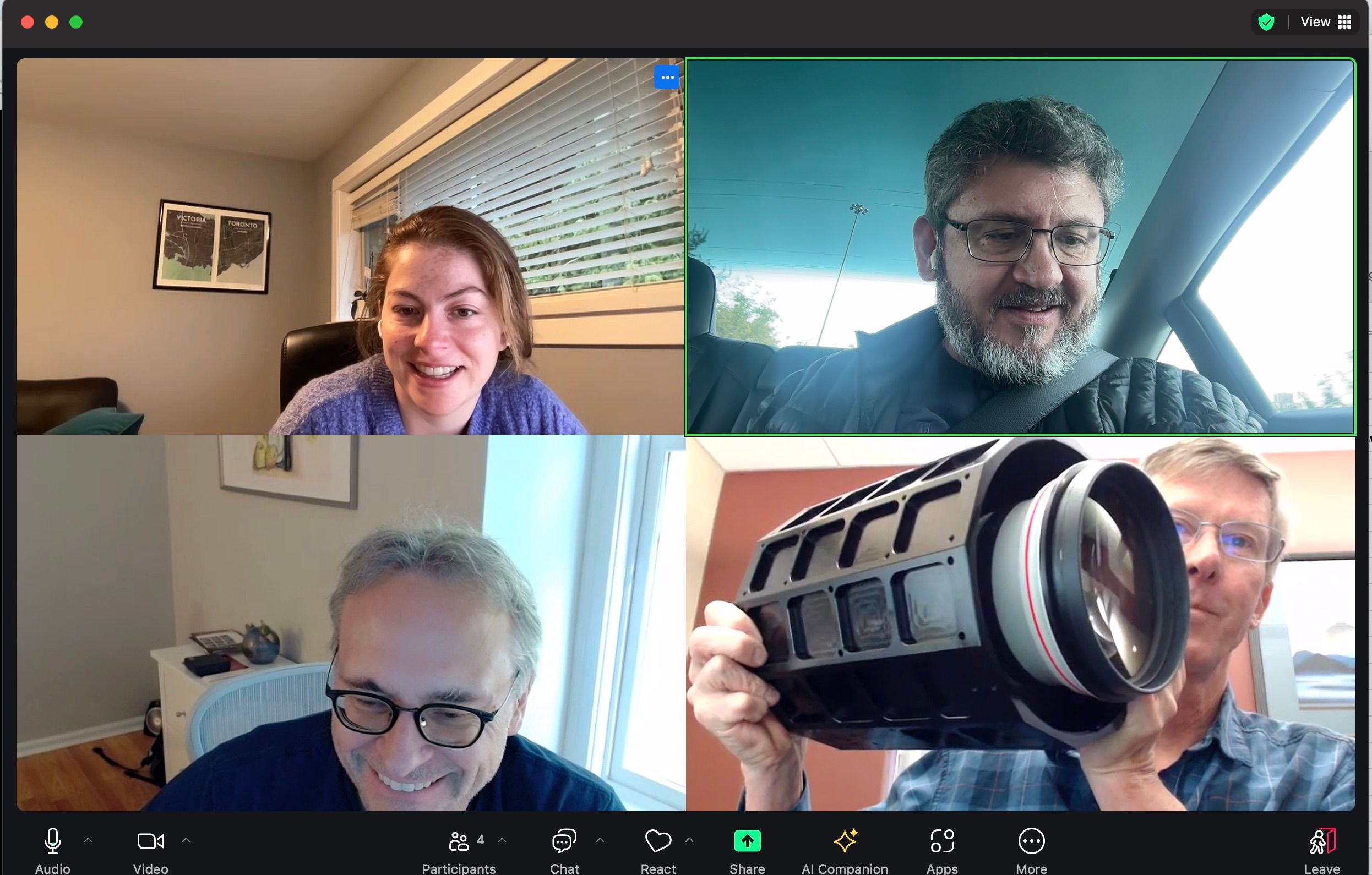
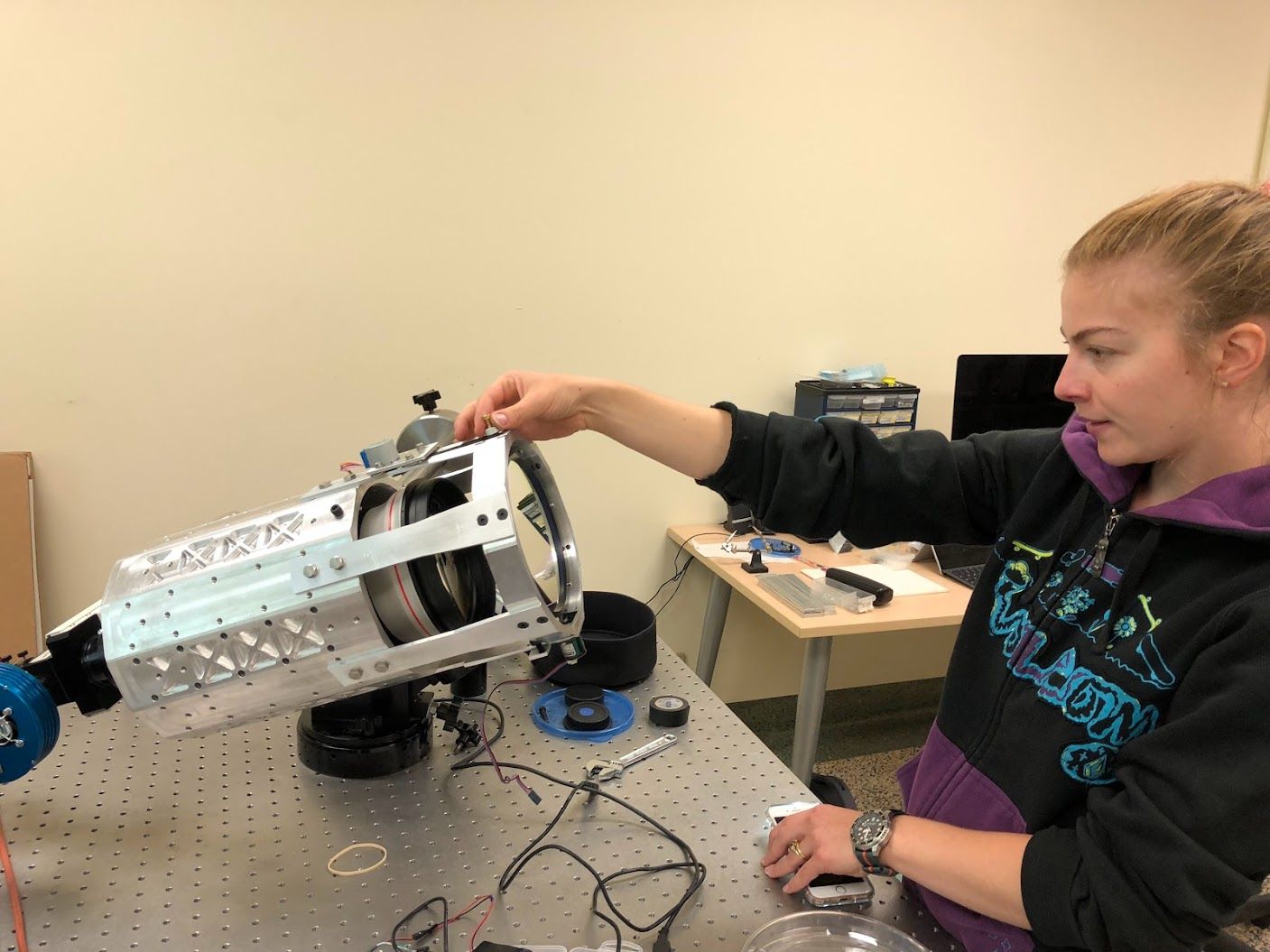
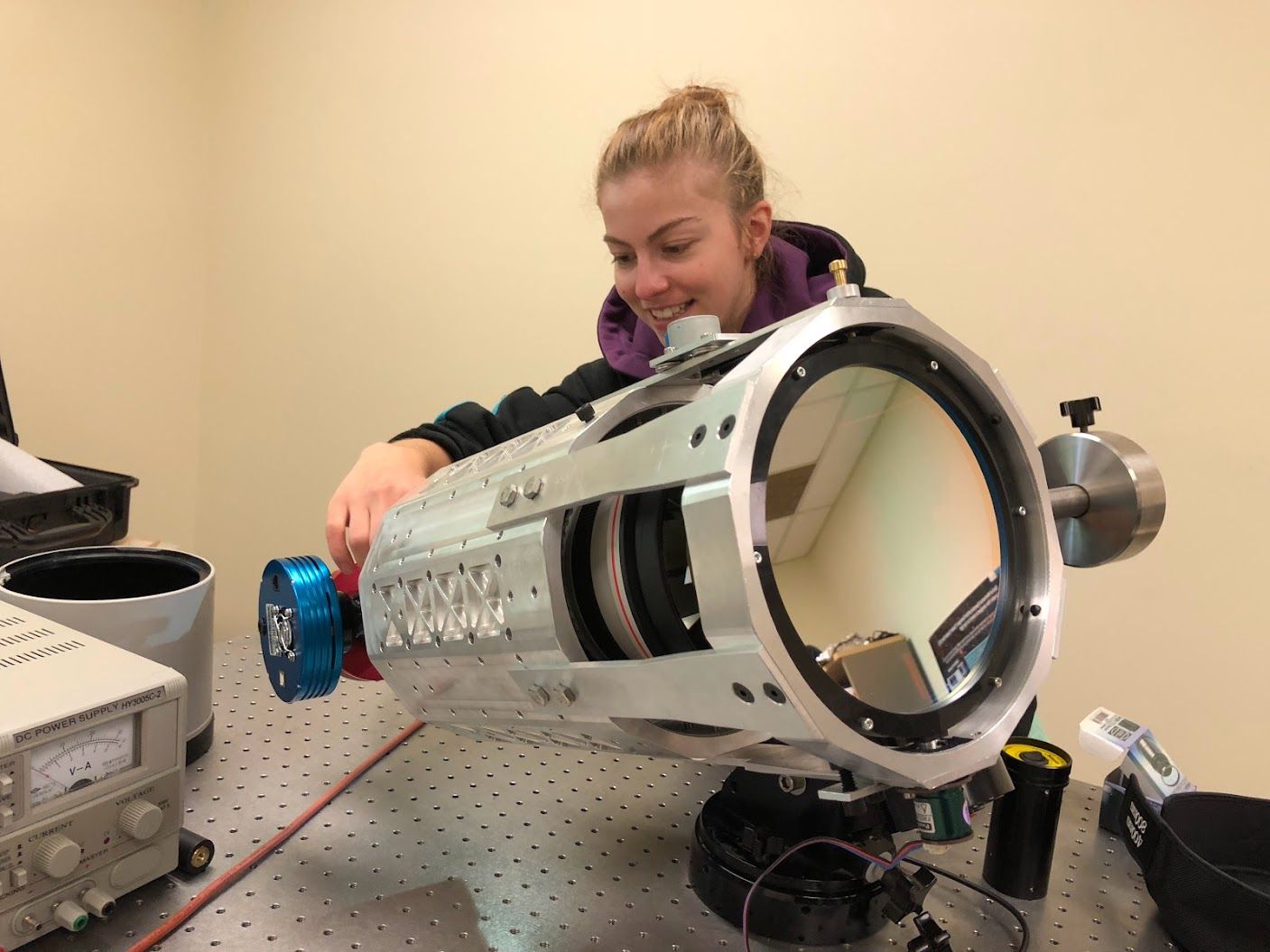
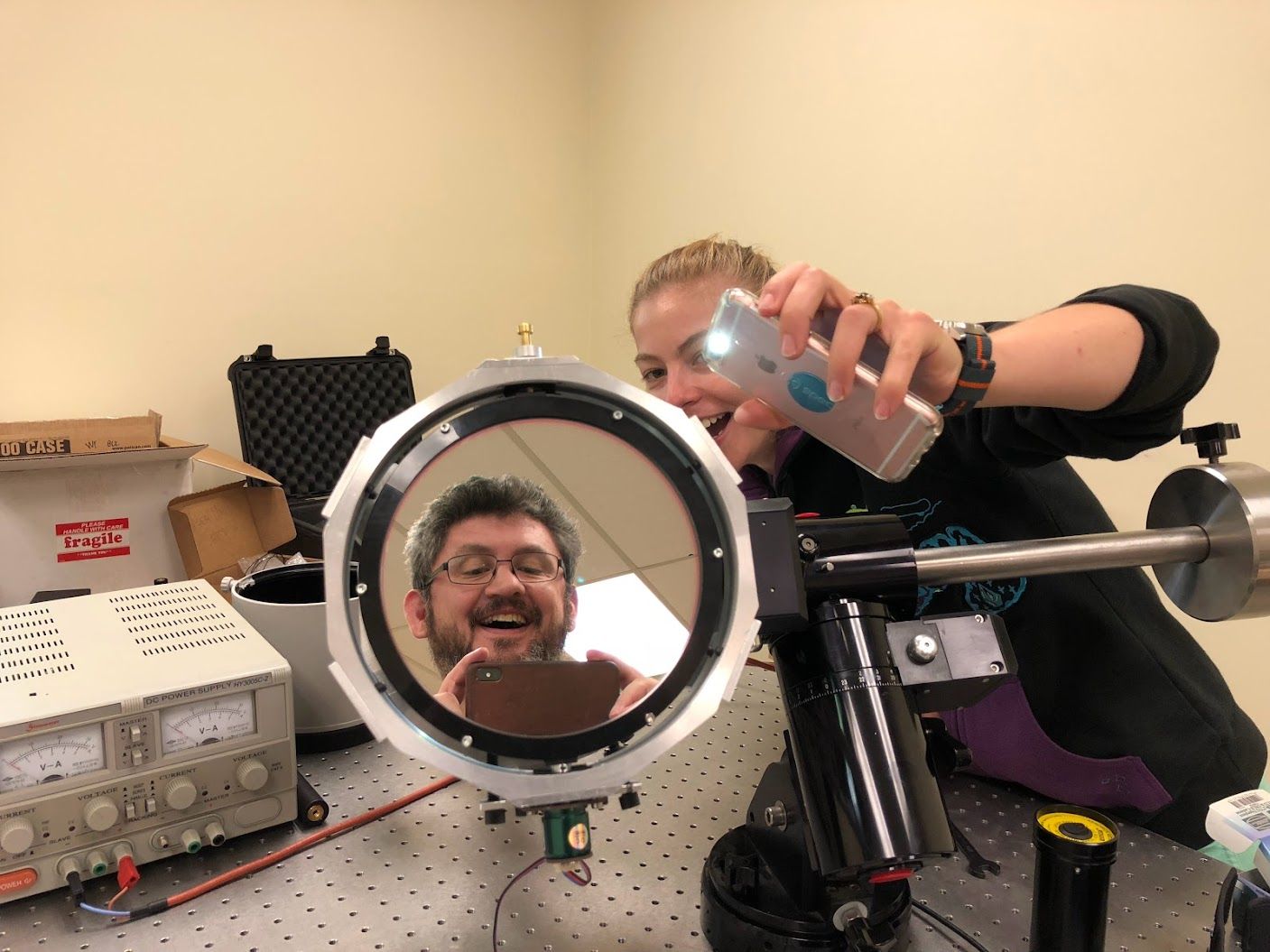
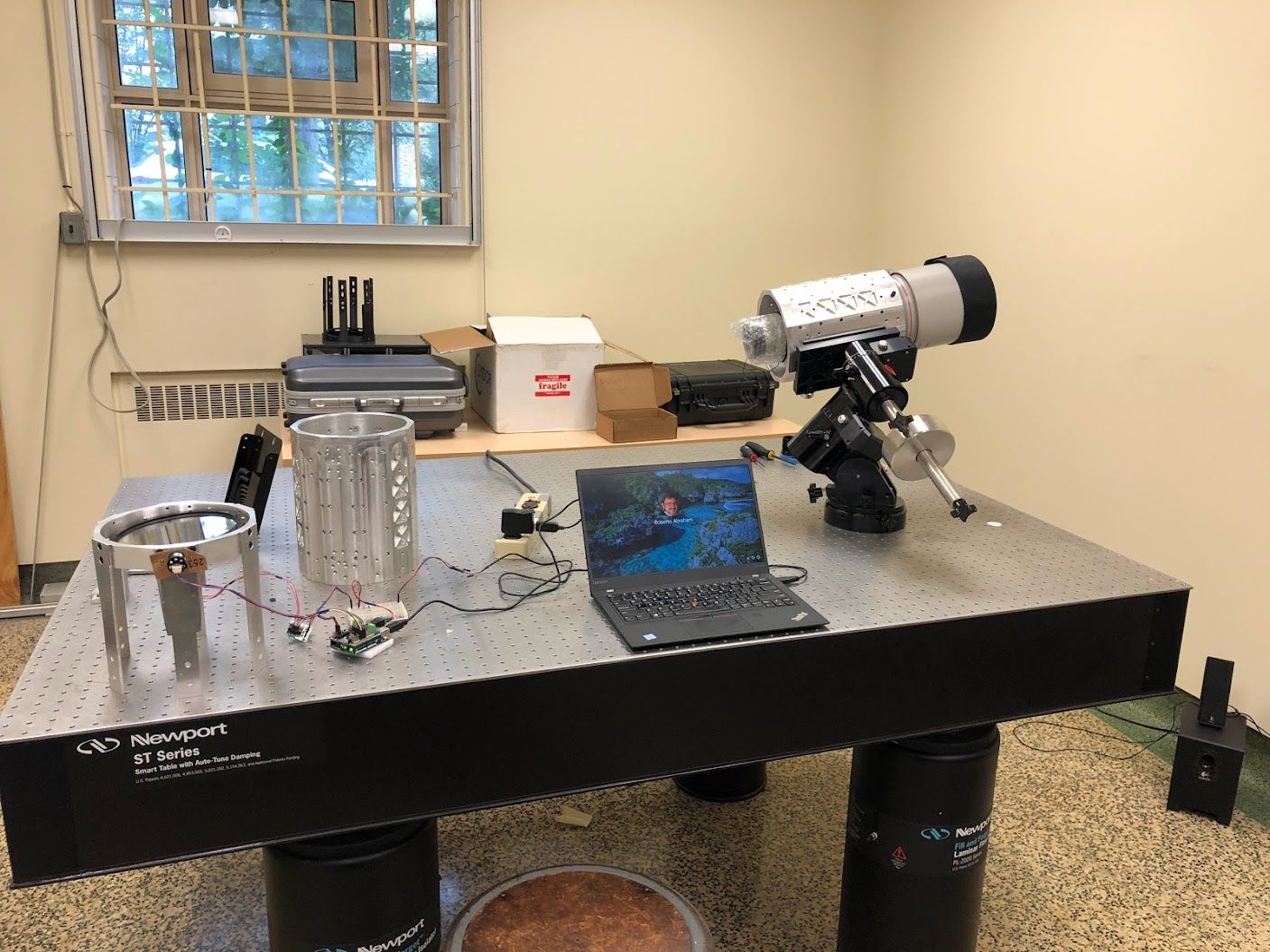
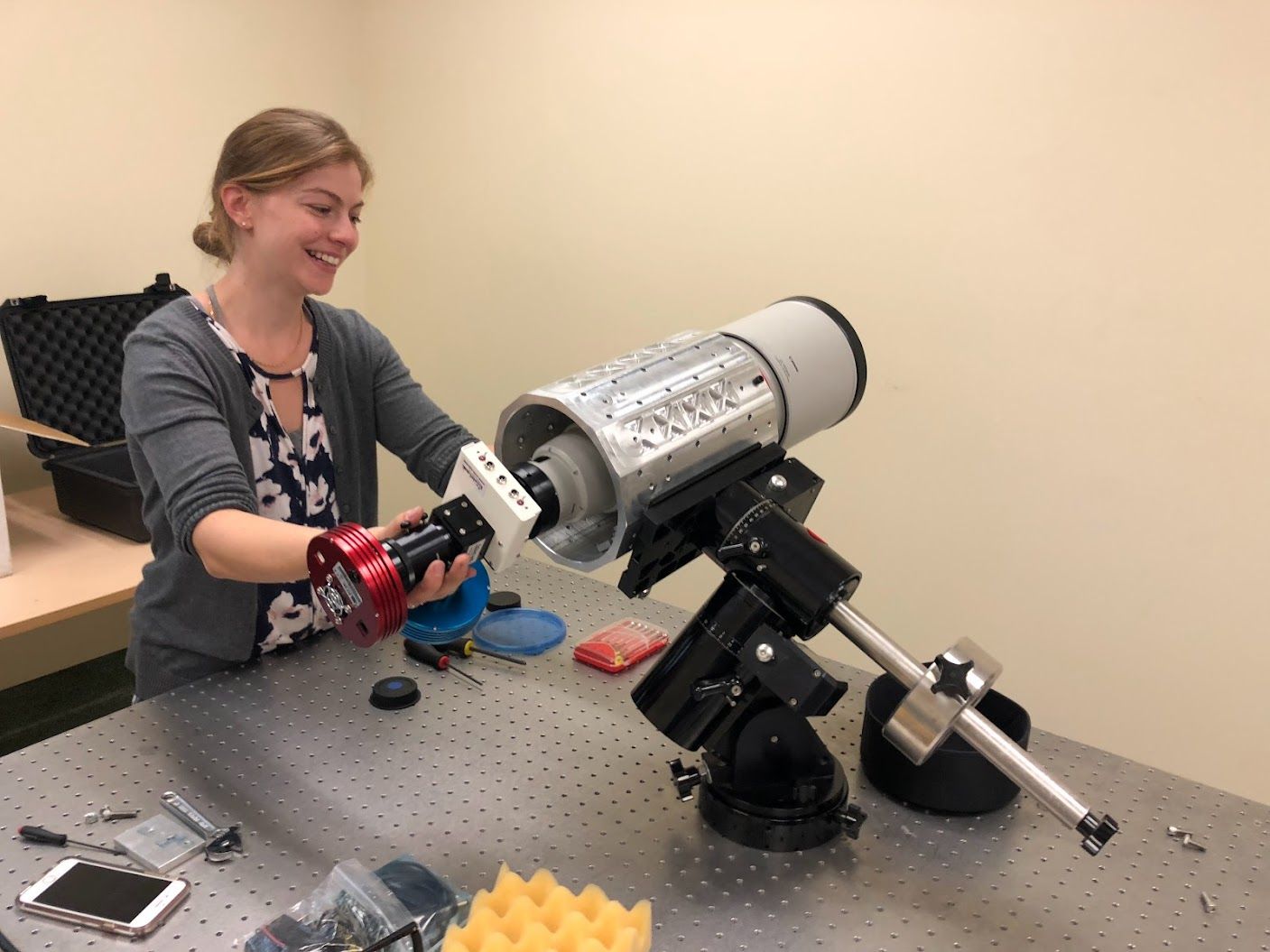
MOTHRA exemplifies a new model for fast, mission-driven science: tightly integrated teams, industrial-scale execution, and the ability to move from concept to world-leading capability on timescales that are unprecedented in academic astronomy. Dragonfly's rapid and spectacular metamorphosis into the Modular Optical Telephoto Hyperspectral Robotic Array will take only two years. This project's velocity is made possible by years of prototyping with Dragonfly, retiring most of our risk before we even begin. Building MOTHRA quickly comes down to mass production and dealing with logistics; our base of knowledge is coupled with deep industrial partnerships that allow the project to scale with startup-like speed. The images above show our team designing and testing the prototype for the first (of 30) MOTHRA mounts at Software Bisque's factory in Golden, CO, USA. MOTHRA will ultimately comprise 1,140 telephoto lenses on 30 large fork mounts yielding the equivalent of a 4.8-m aperture f/0.08 refractor with an R≈800 integral-field spectrometer and a 9-square-degree field of view.
MOTHRA Site - Observatorio El Sauce/Obstech
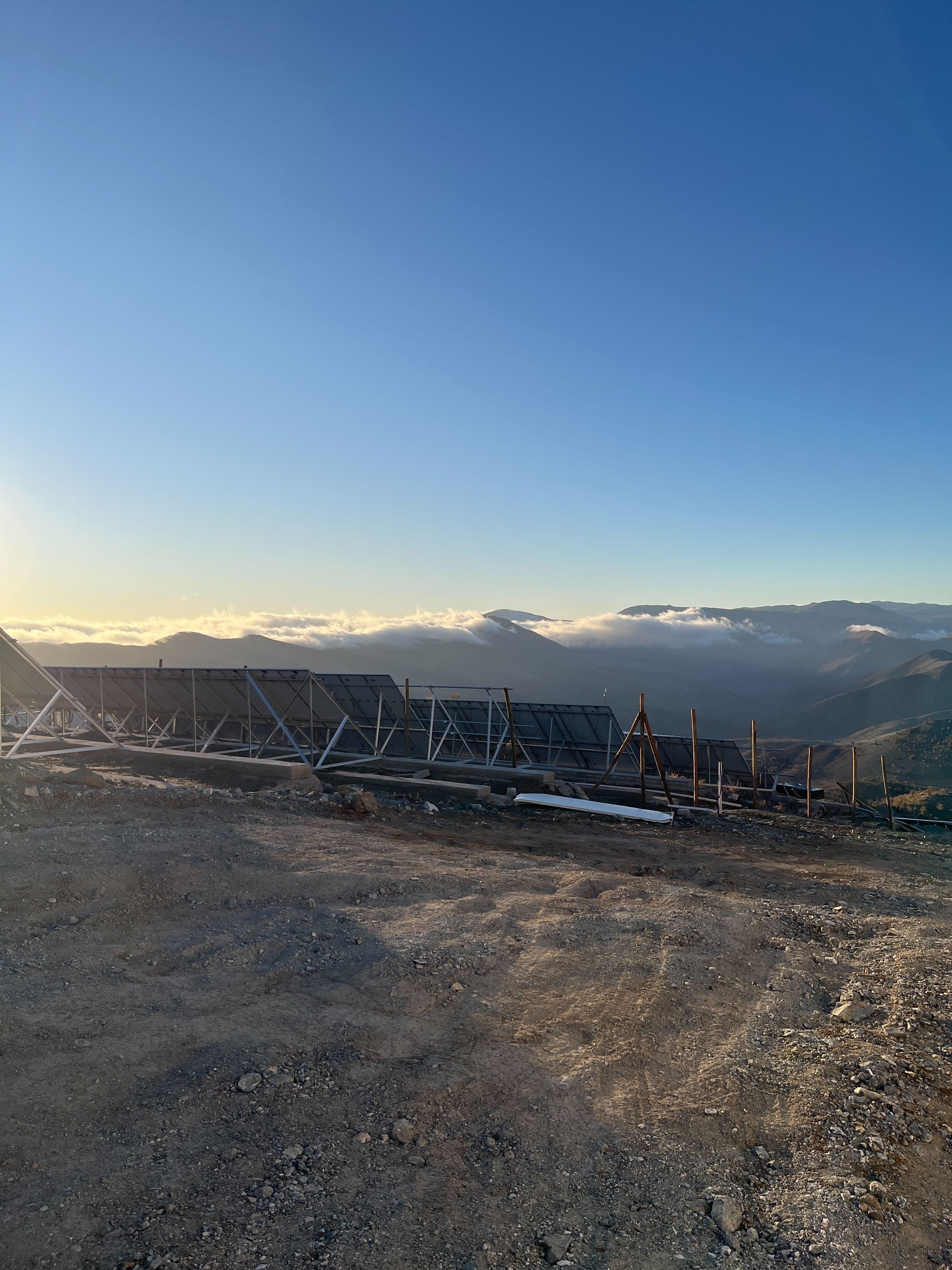
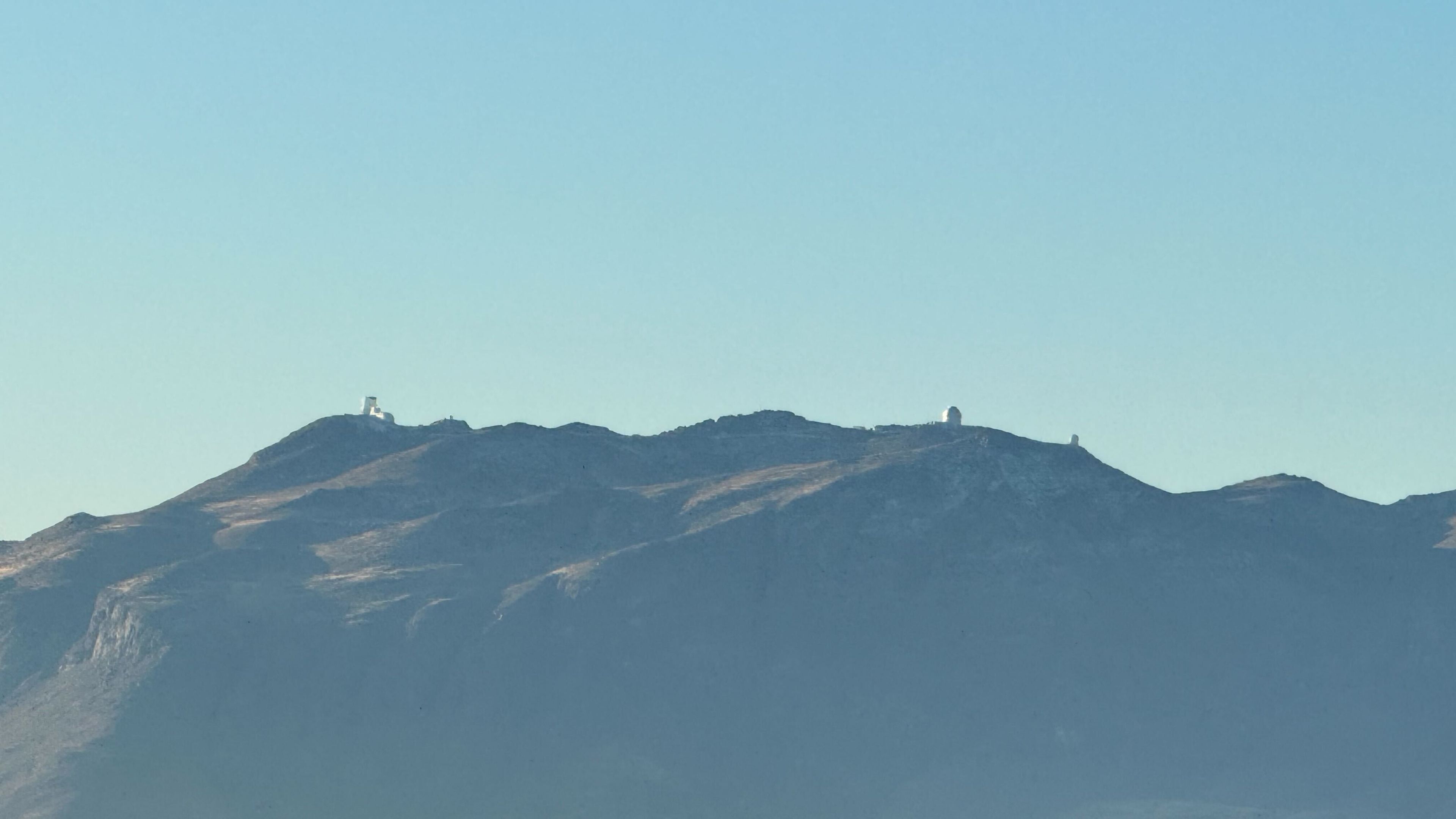
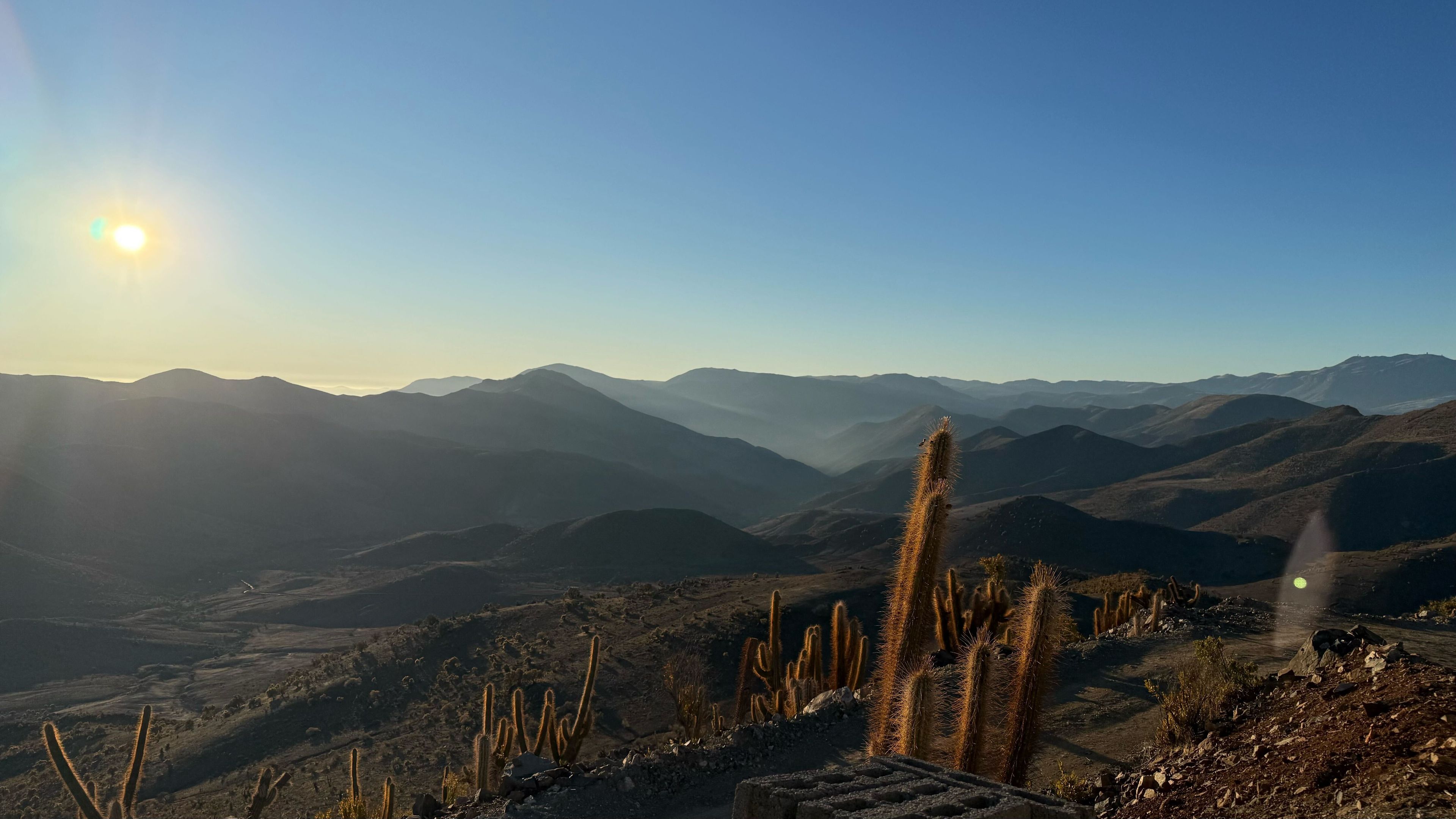
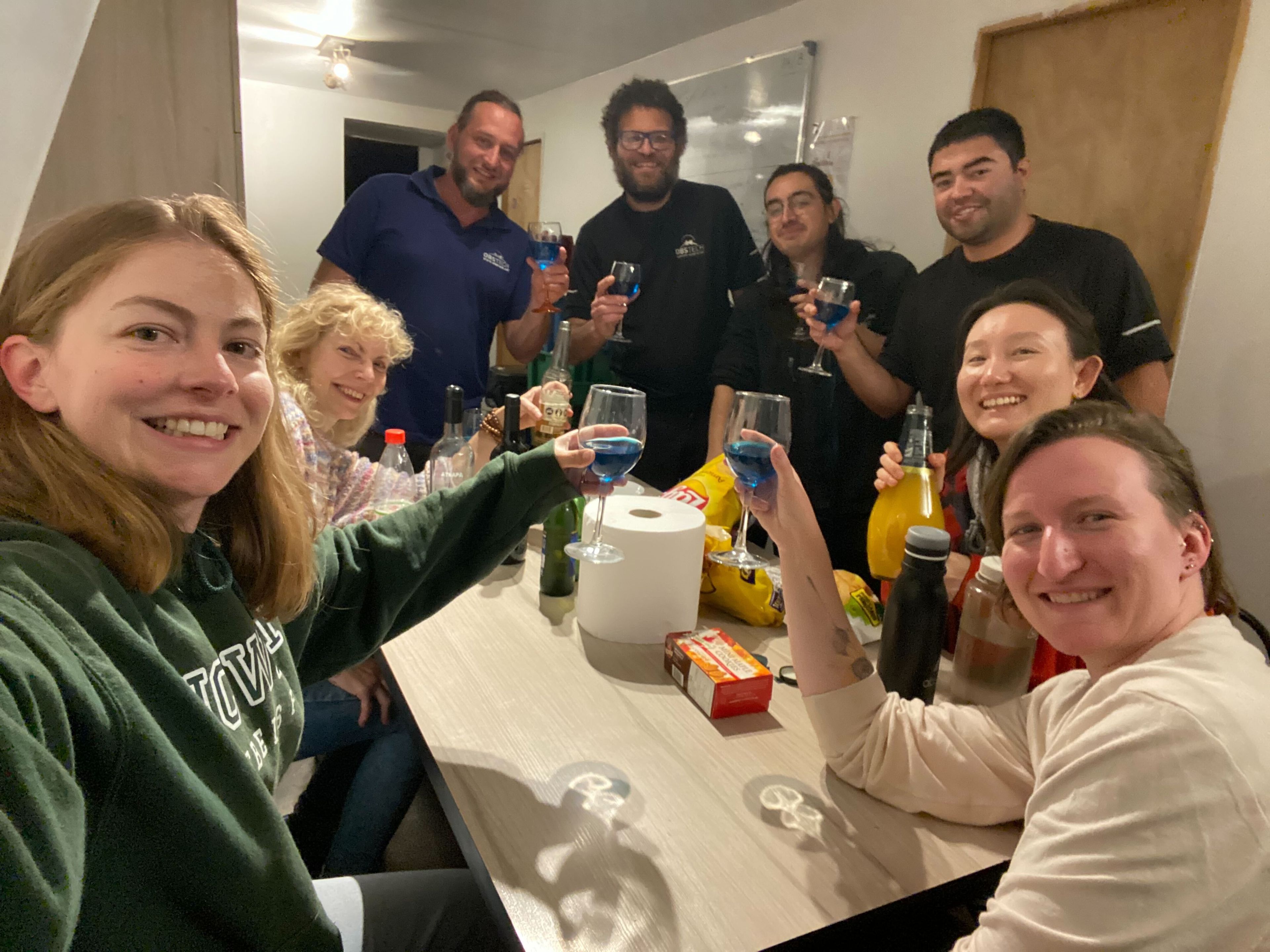
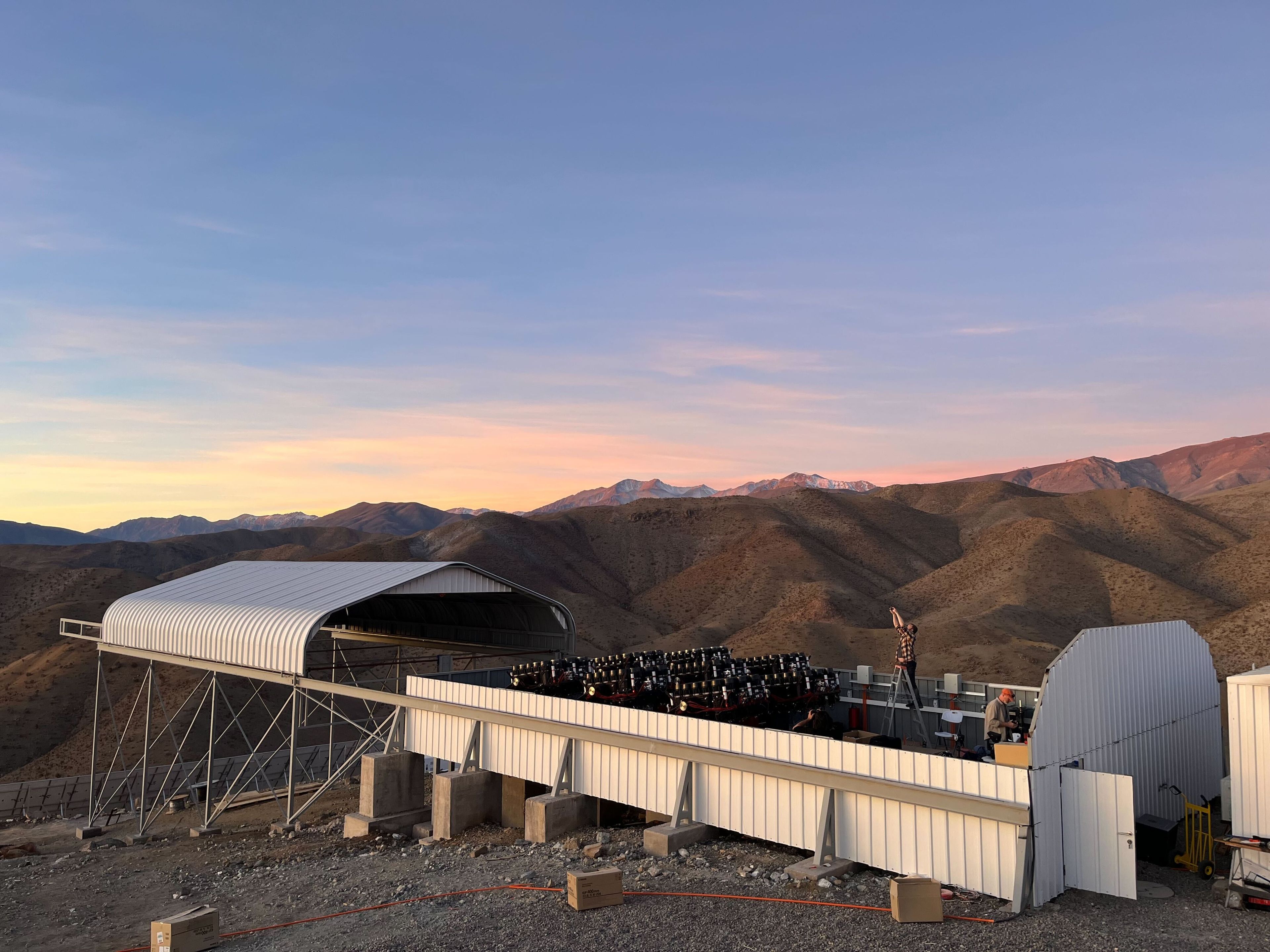
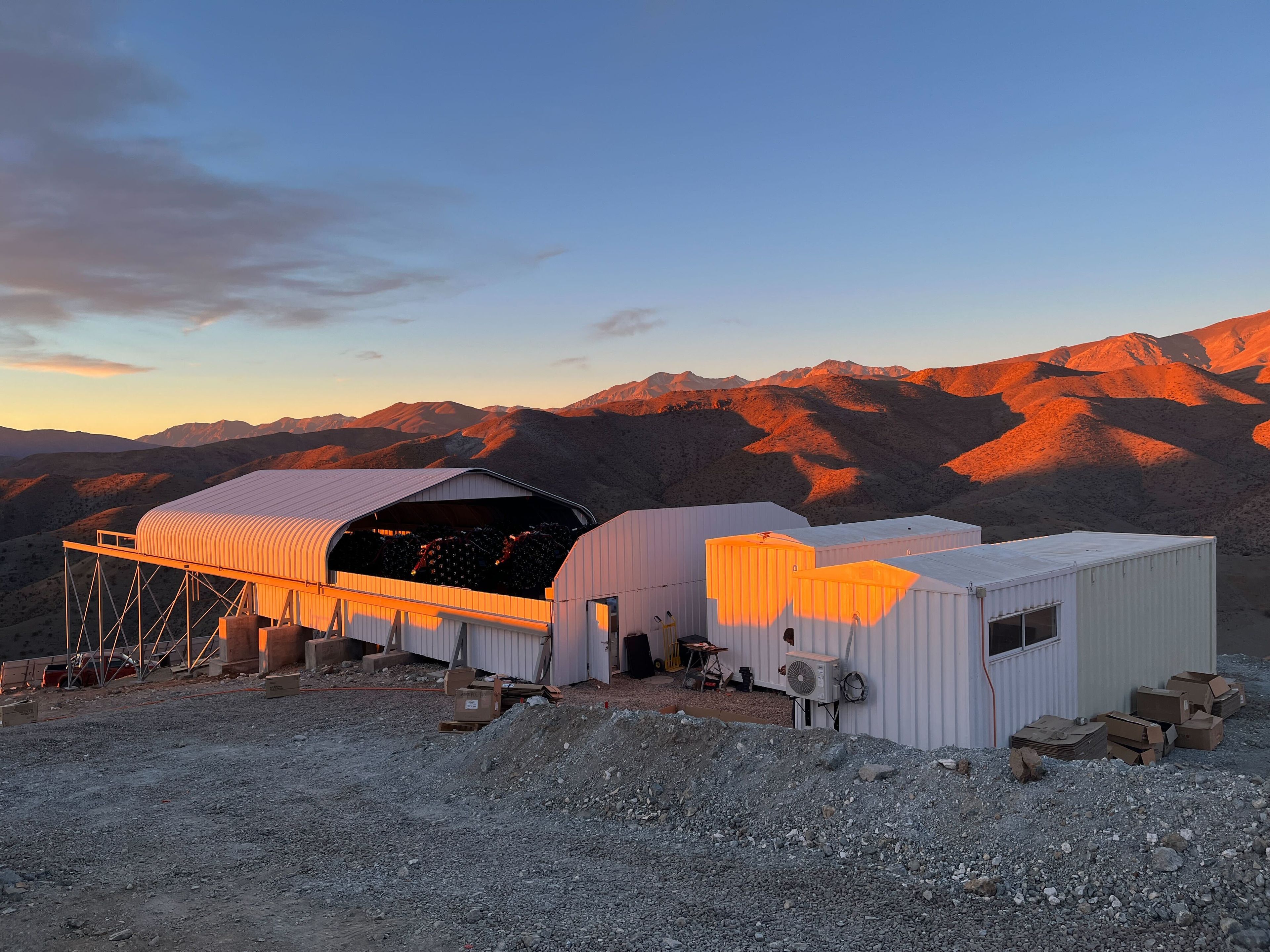
Chile’s unique geography makes it one of the best places on Earth for astronomy— with high mountains at the edge of deserts delivering exceptionally dry, stable air with extremely low humidity, minimal atmospheric turbulence, and virtually no light pollution, yielding superb “seeing” conditions and more than 300 clear nights per year that let telescopes work at their full potential. Choosing to build MOTHRA in partnership with Chile's premiere telescope hosting facility, Observatorio El Sauce/Obstech, means anchoring our facility amid these world-class skies at the heart of Chile’s astronomical infrastructure, benefiting from dark, pristine viewing conditions, professional on-site expertise, high-speed connectivity, and a collaborative environment located within sight of the Gemini South and Rubin Observatories. Dragonfly FRO has funded the construction of two large telescope enclosures at Obstech. Each enclosure will hold 15 large fork mounts. Each mount holds 38 lenses, each of which is a 400mm f/2.8 (aperture 5.5") refractor. Most are equipped with a tilt-tunable 1nm bandpass narrowband filter. We are partnering with the superb Obstech team to build the additional solar power and telecommunications infrastructure needed to support our operations.
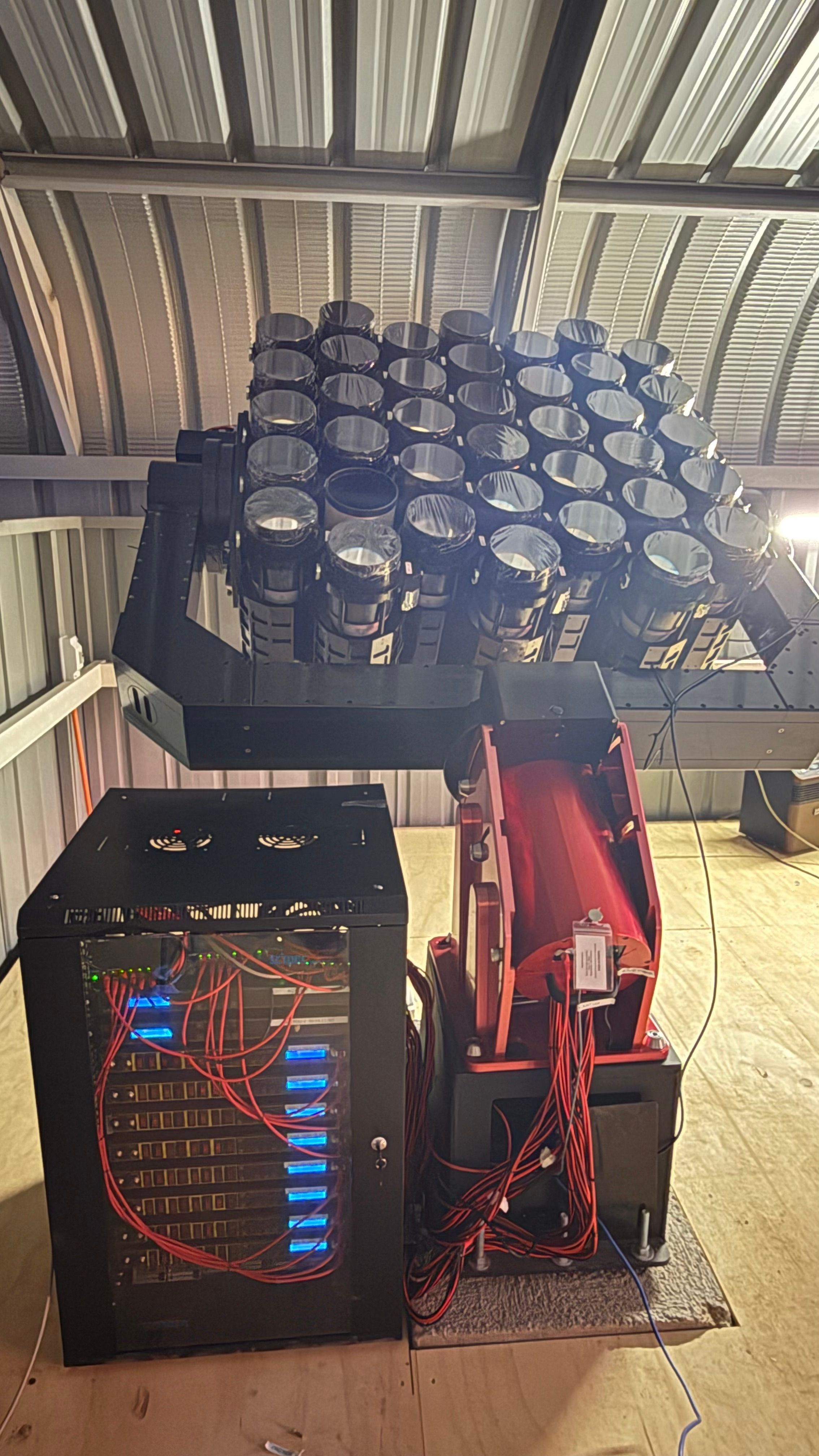
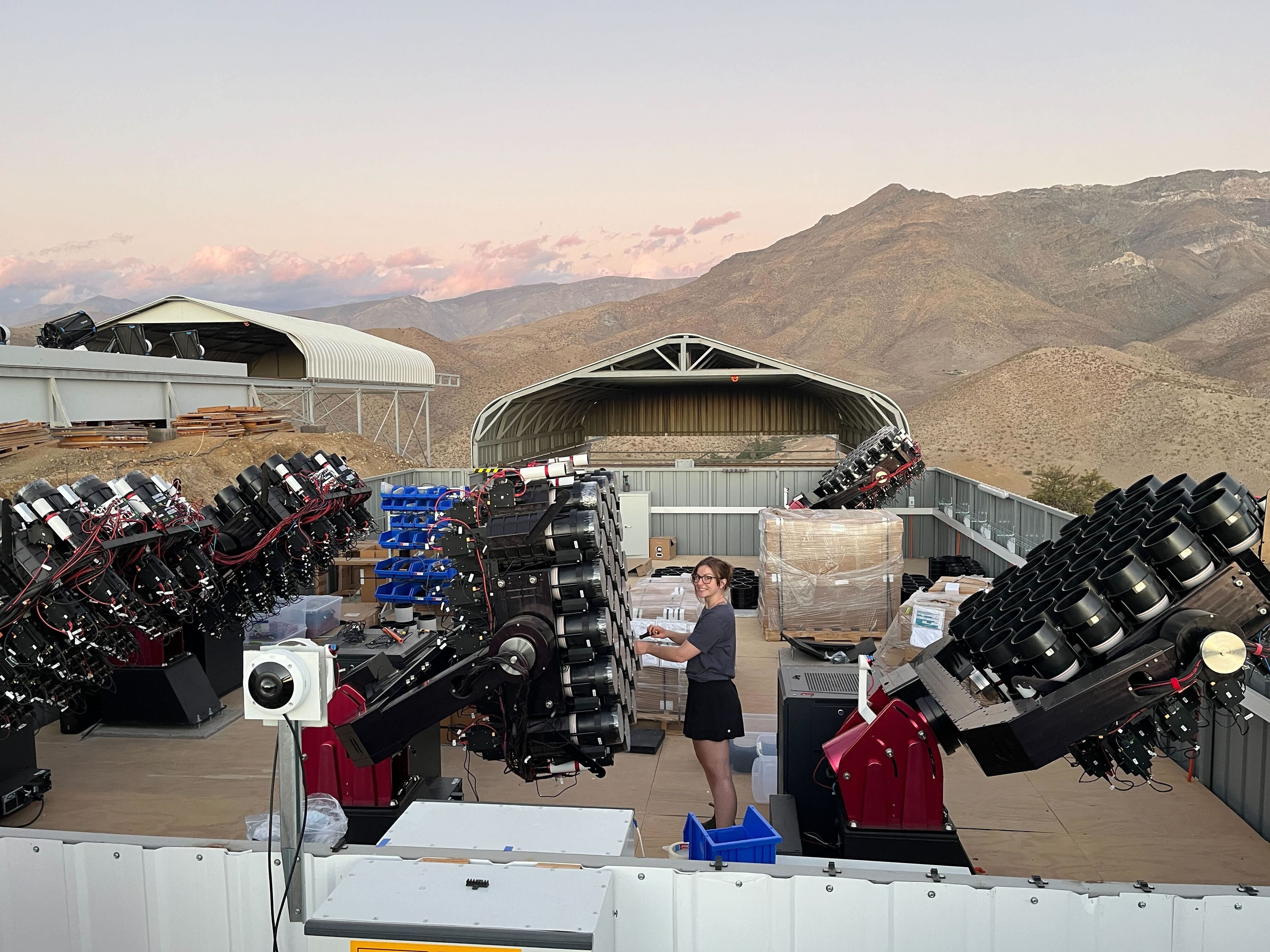
MOTHRA Construction
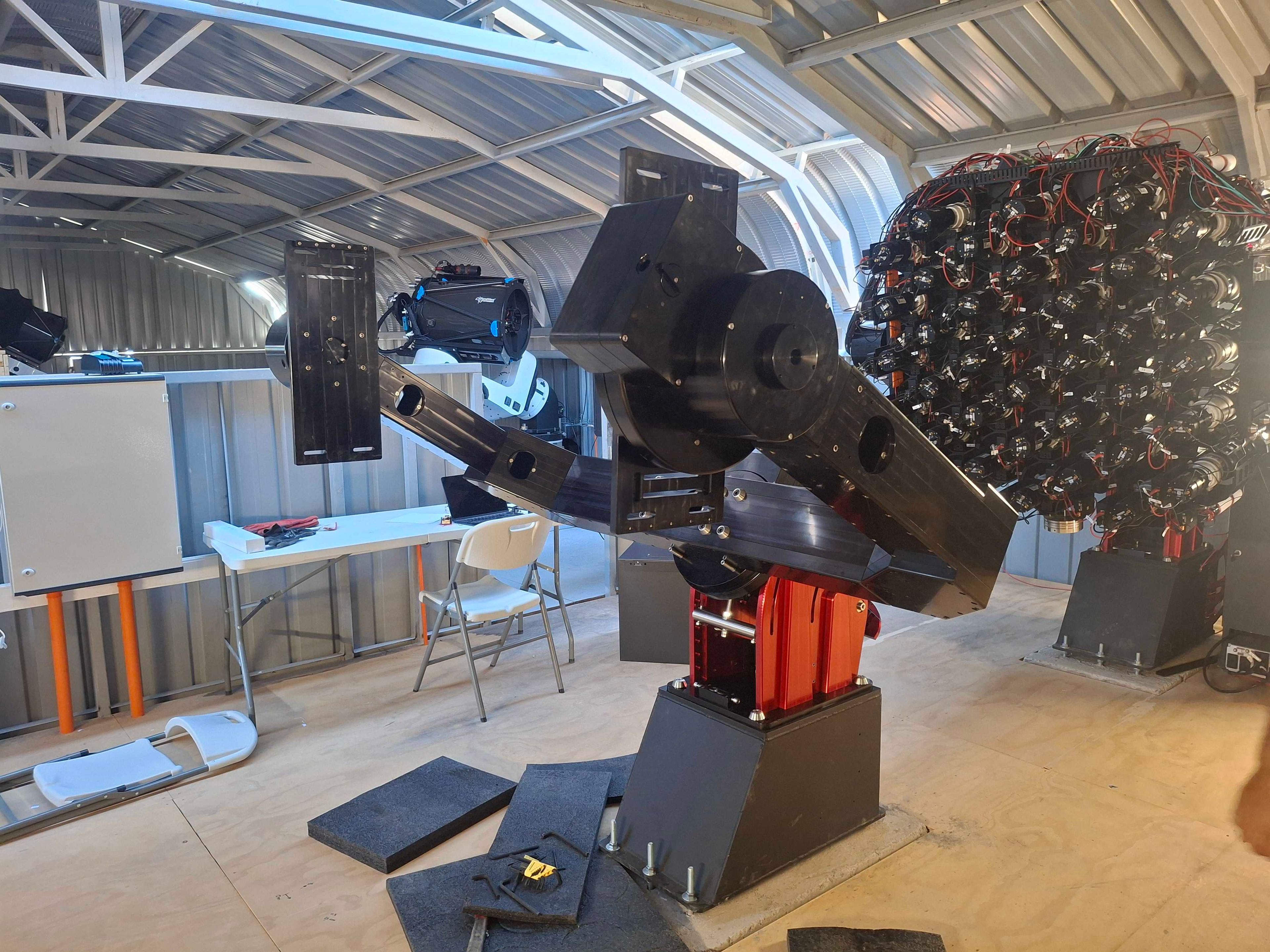
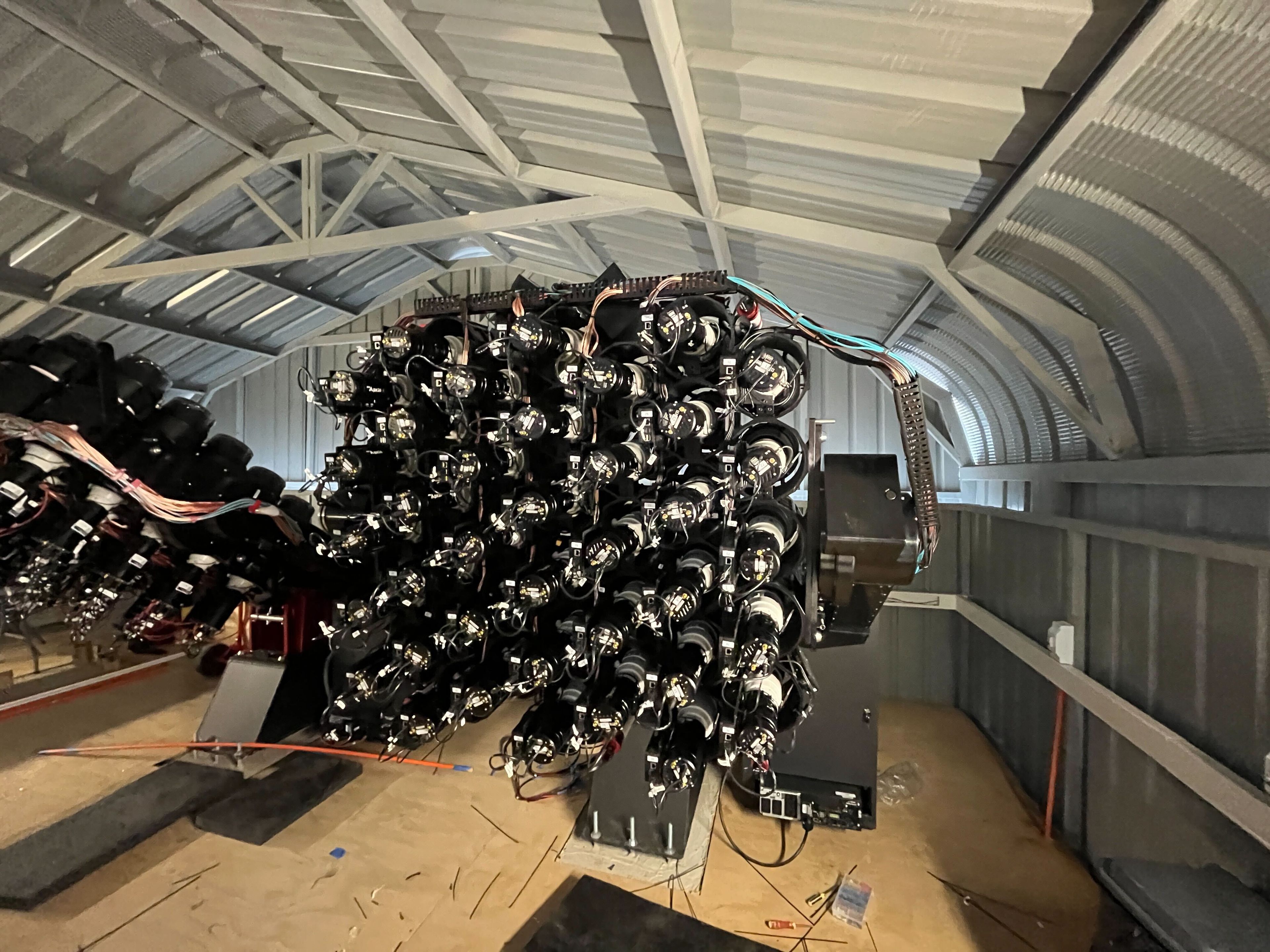
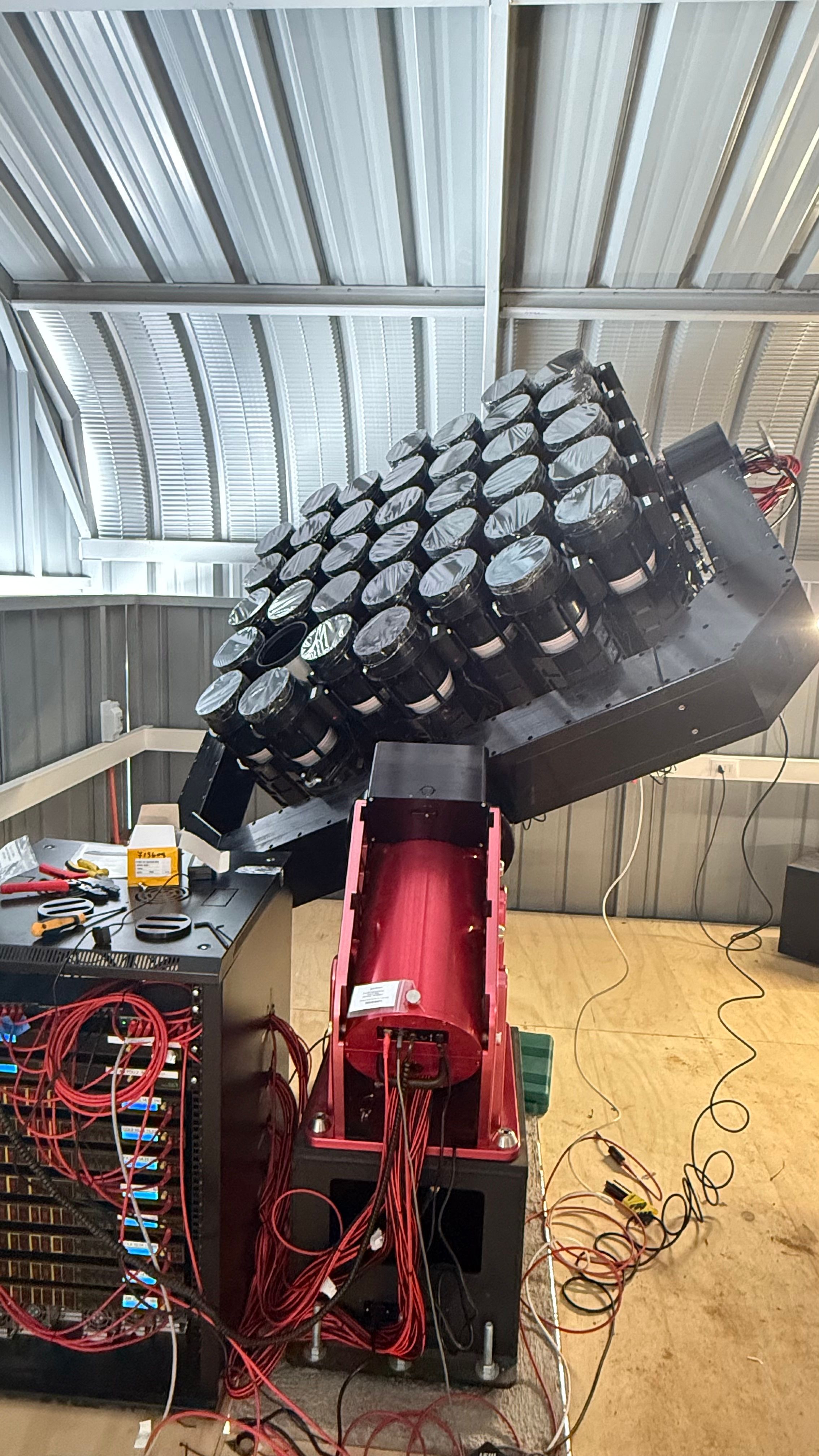
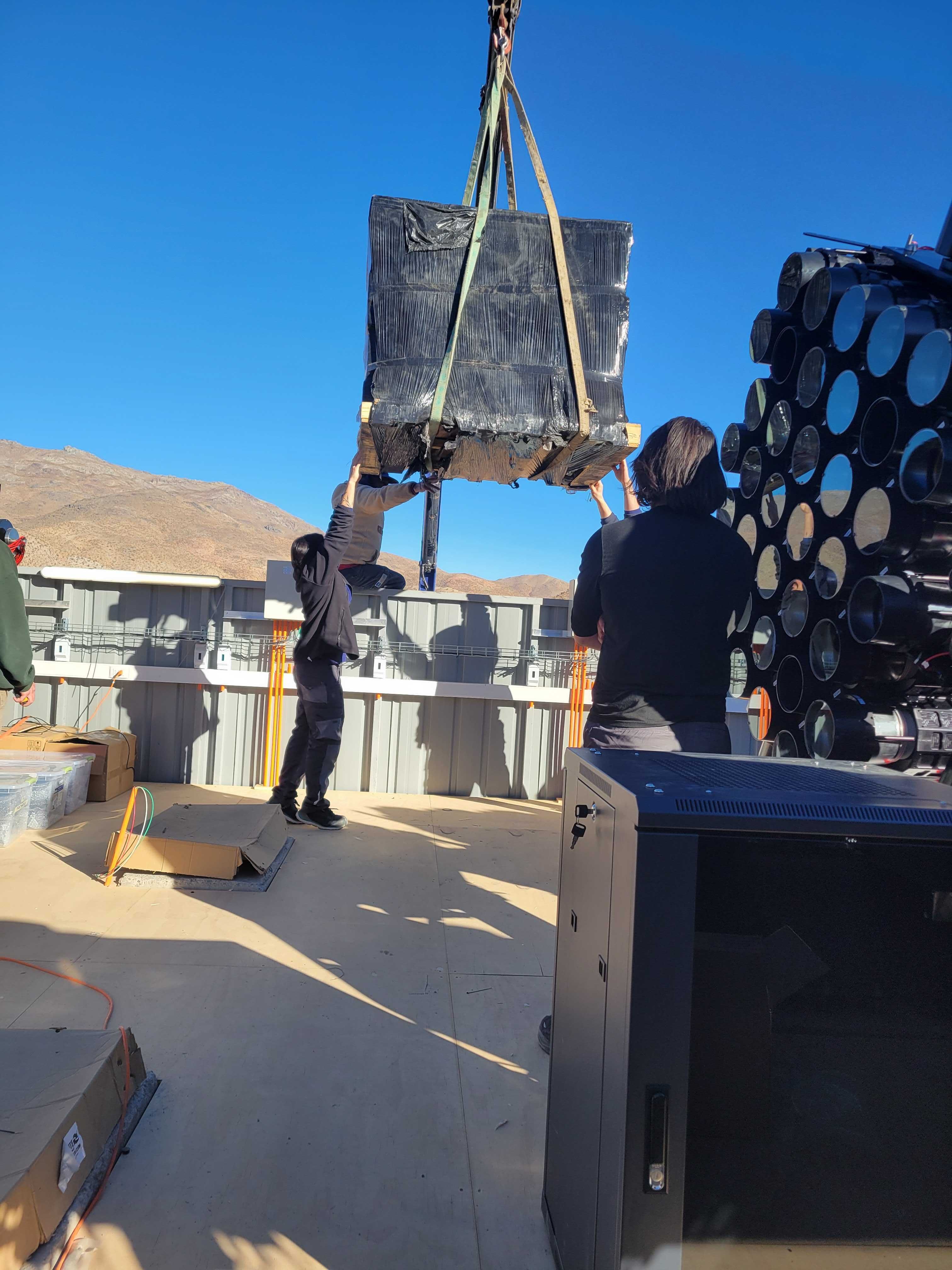
MOTHRA's construction is in full-swing! Construction began in June 2025, and will be completed by December 2026. The project's dedicated data center (4032 high performance cores with 15 PB of storage located in Portland, Oregon) is scheduled for completion in February 2026. Building a major international observatory with a small team over such a short period of time is made possible by a clever design that scales, but also by the generosity of people who have helped us. Starting of course with funding - the crucial element from which everything flows. But in addition to that, we also benefited from people's generosity in sharing deep experience and insight. Alex Gerko and his team at XTX Markets have immense experience with international contracting and IT procurement at scale, and time and again this has proved hugely helpful for MOTHRA. Alex also initially suggested looking into the El Sauce/Obstech site, which turned out to be great advice: our close partnership with the team at Obstech is playing a major role in getting MOTHRA built quickly and run smoothly. We've also benefited from tremendous support from the experts at Convergent Research, who seem to know everything there is to know about startups and working with founders. Together, we are bringing MOTHRA to the world.


Extras
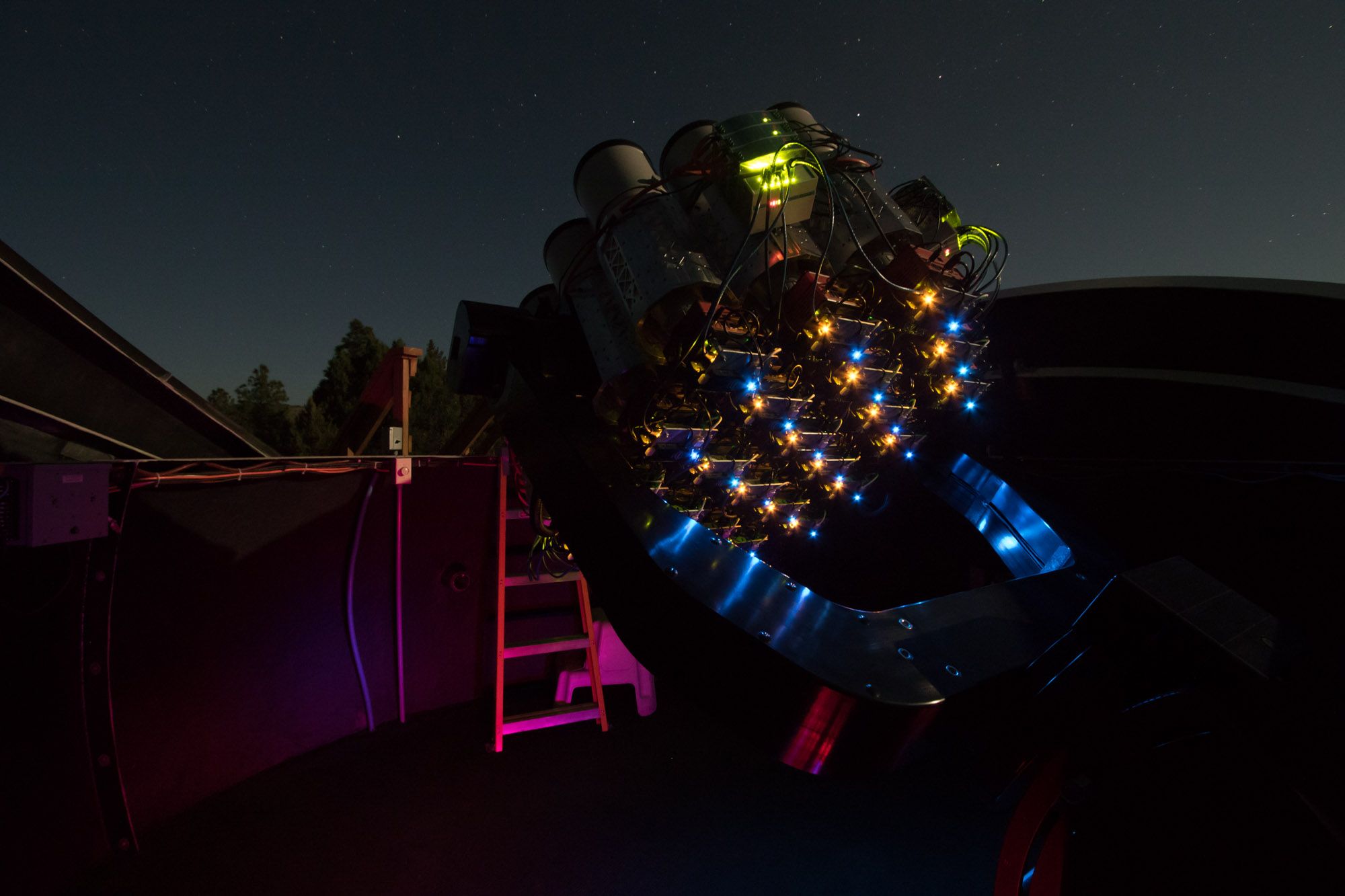
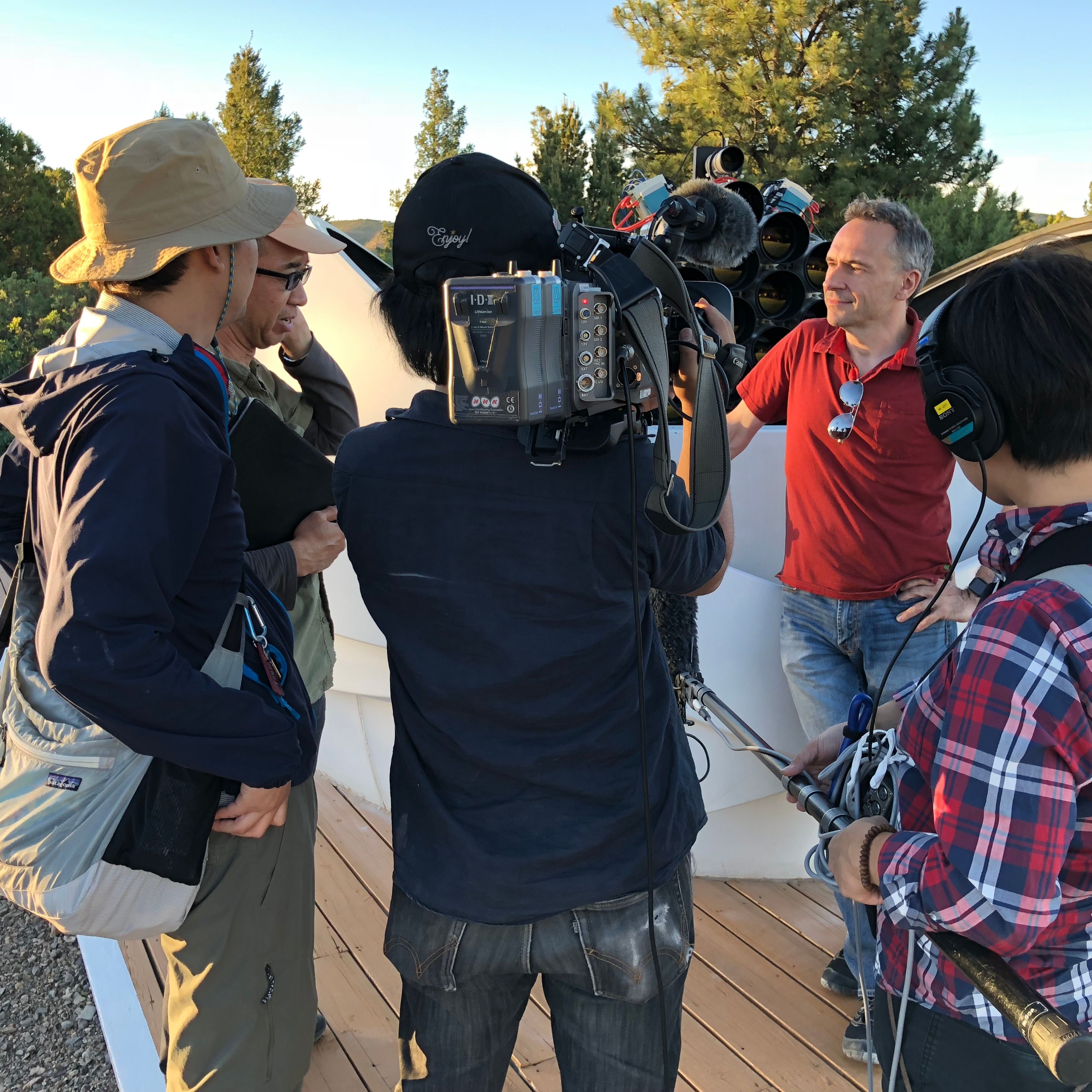
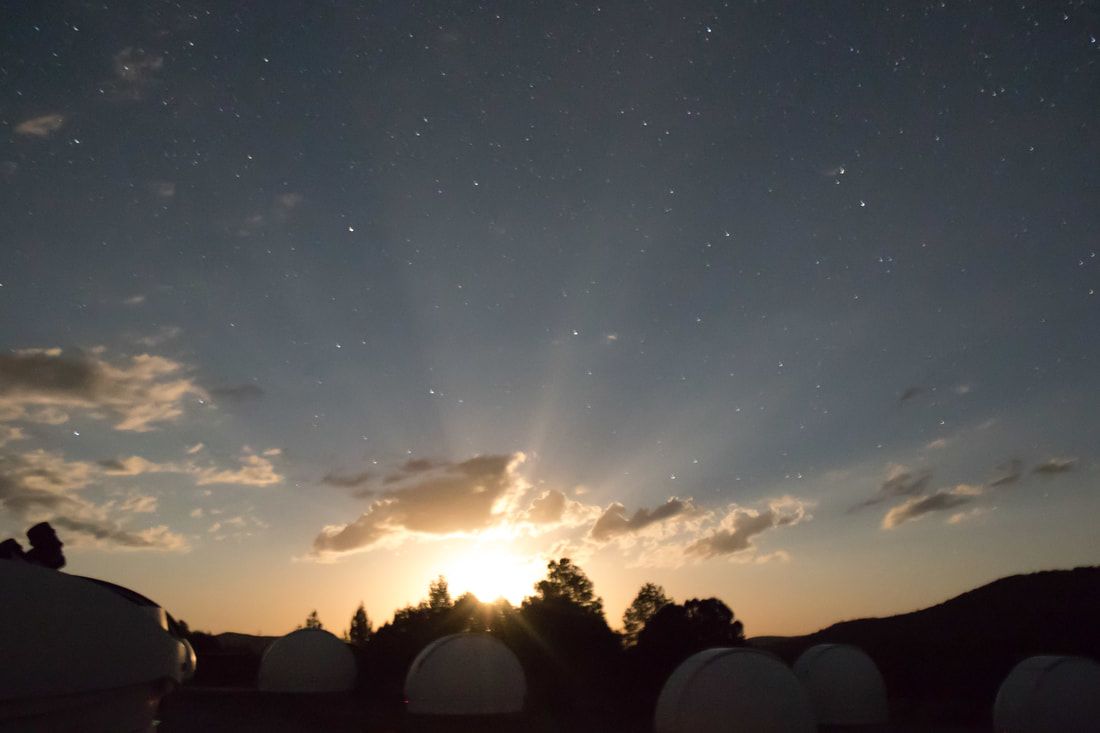
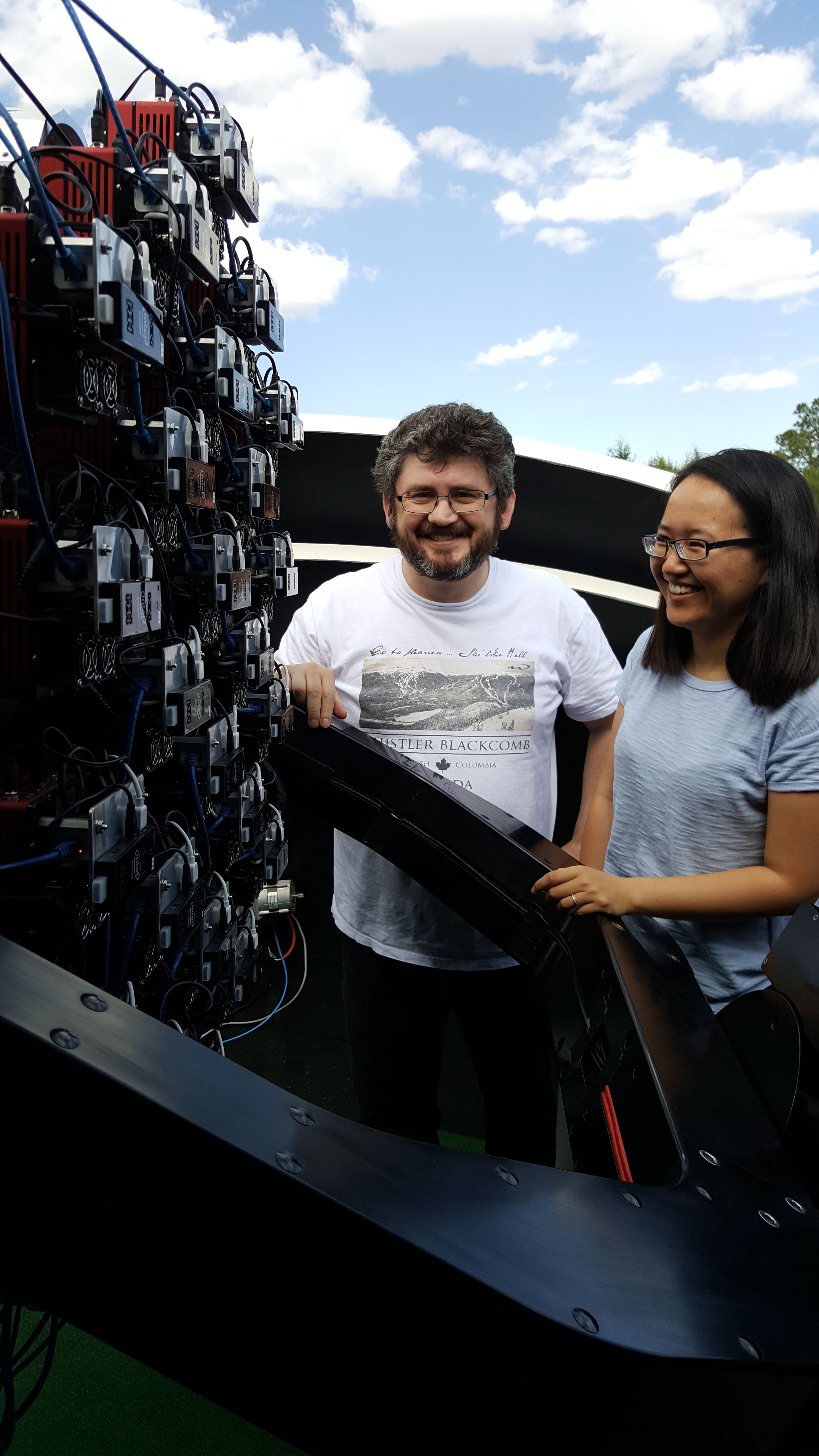
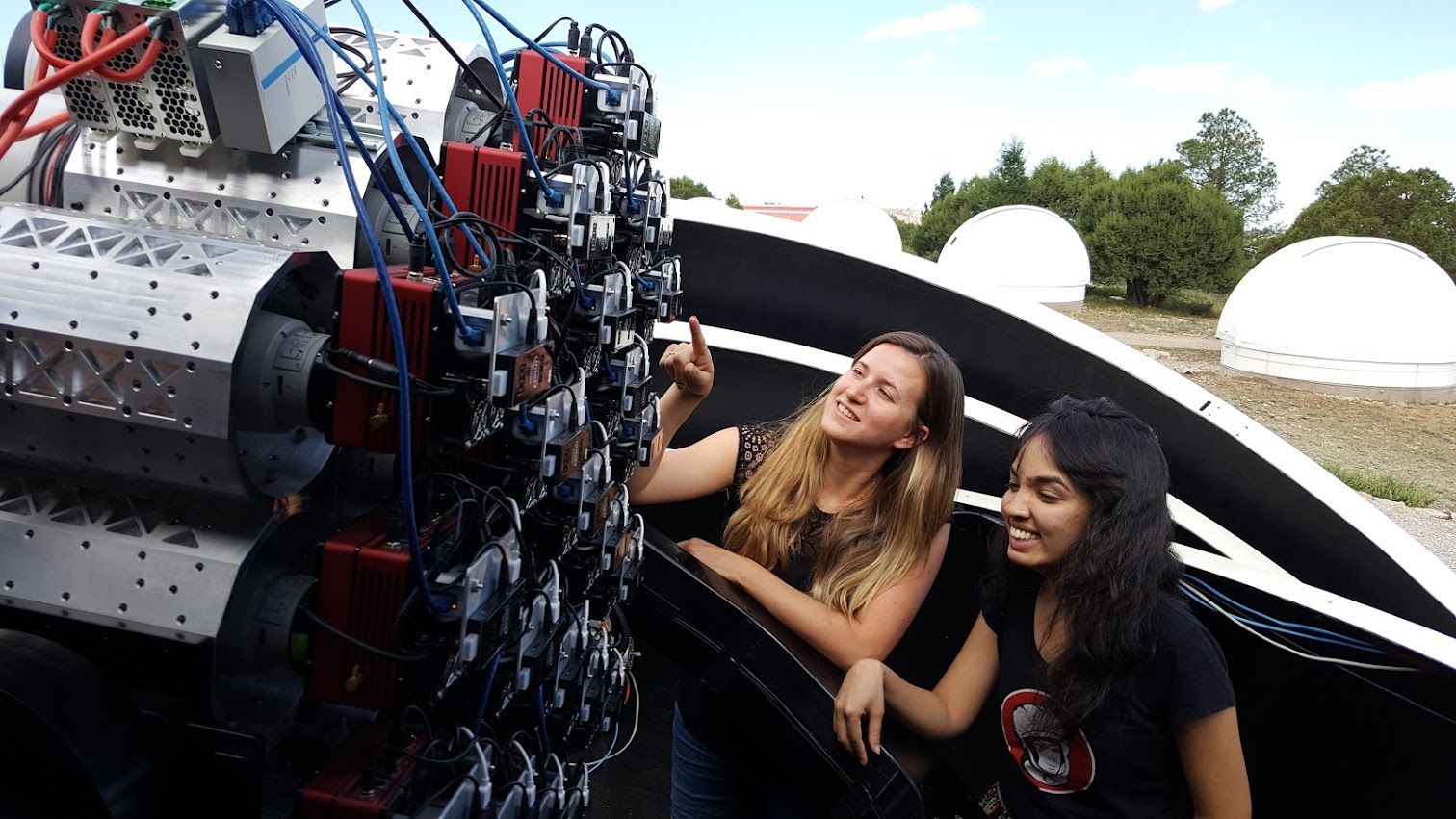
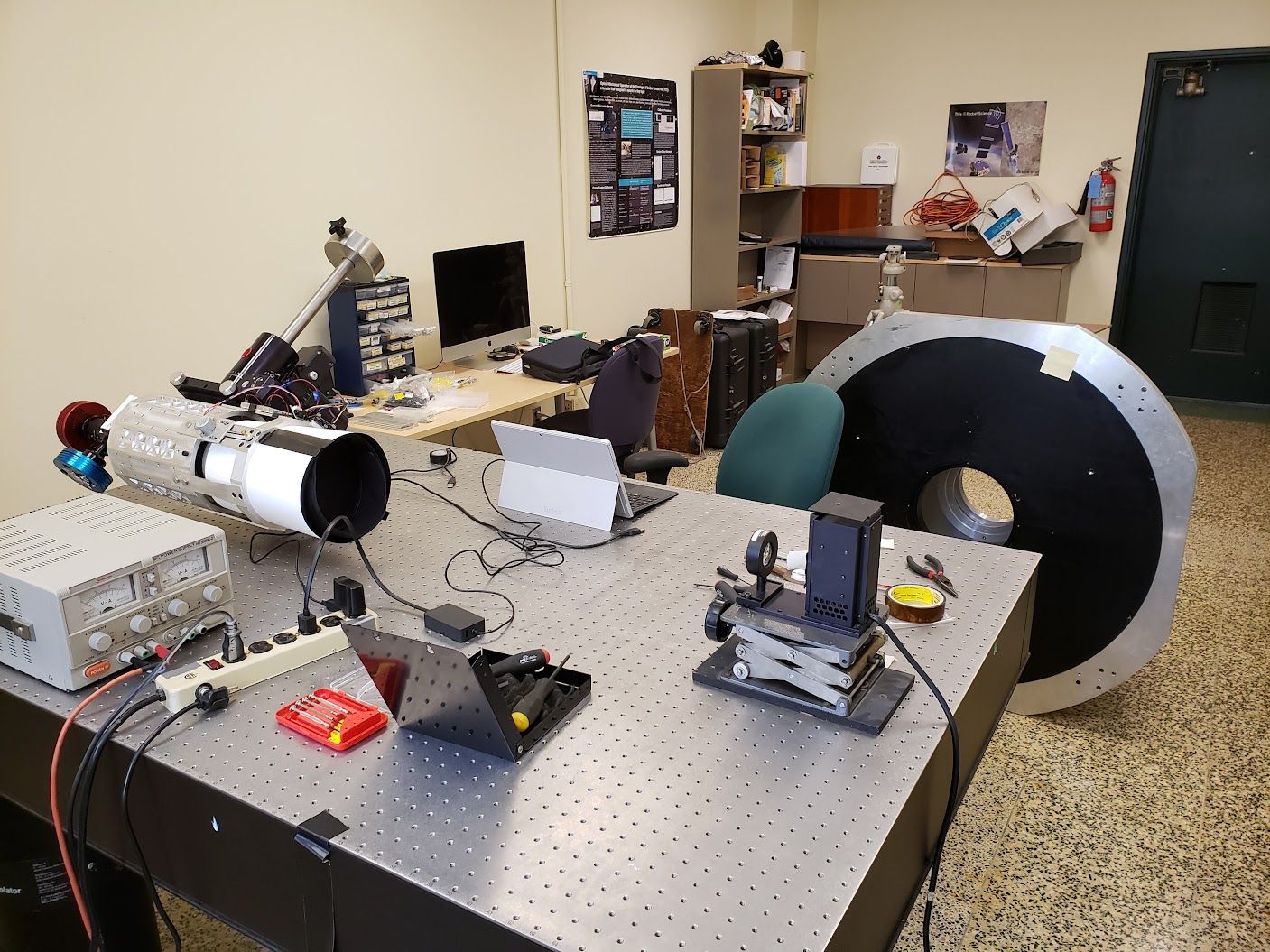
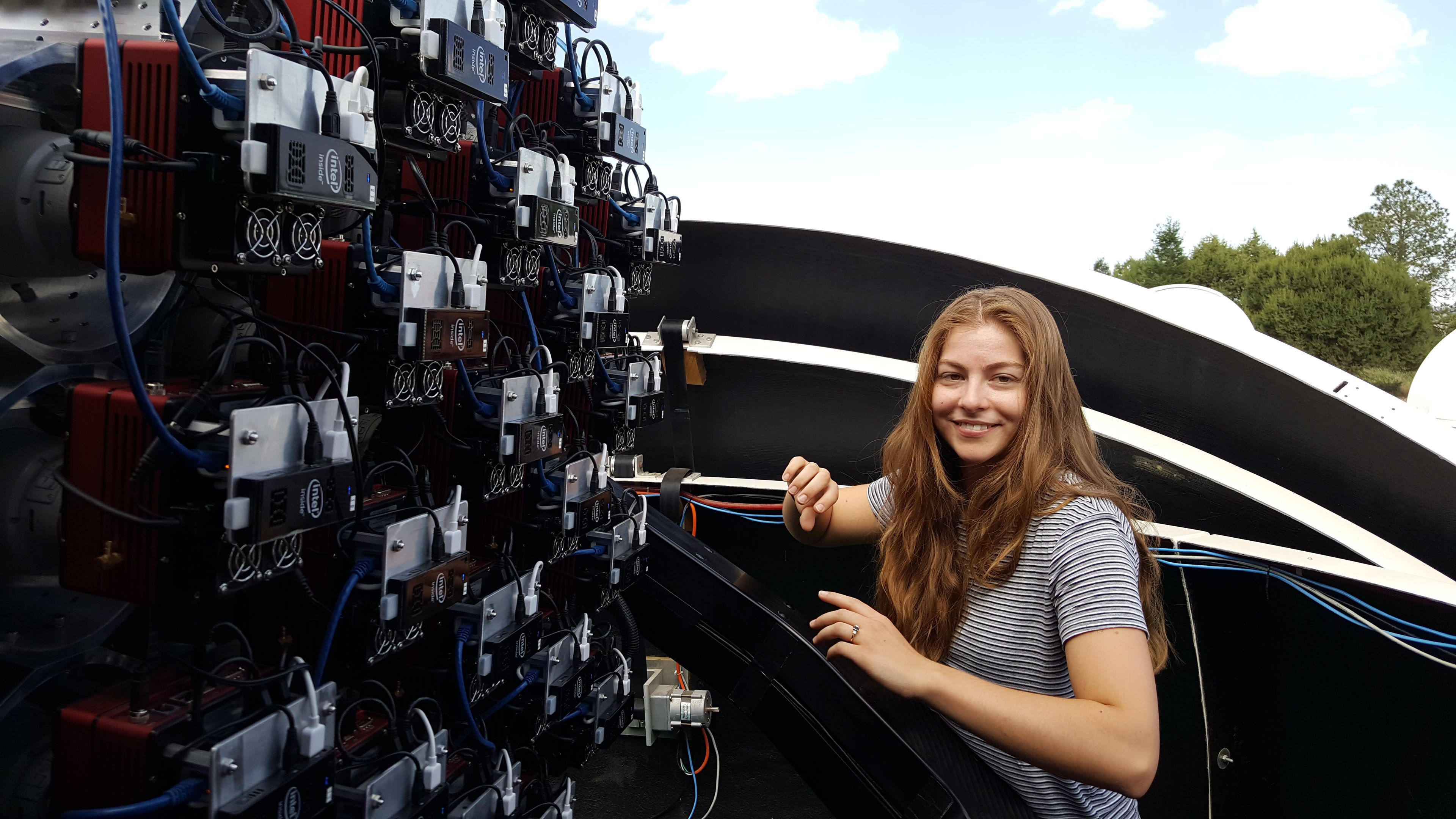
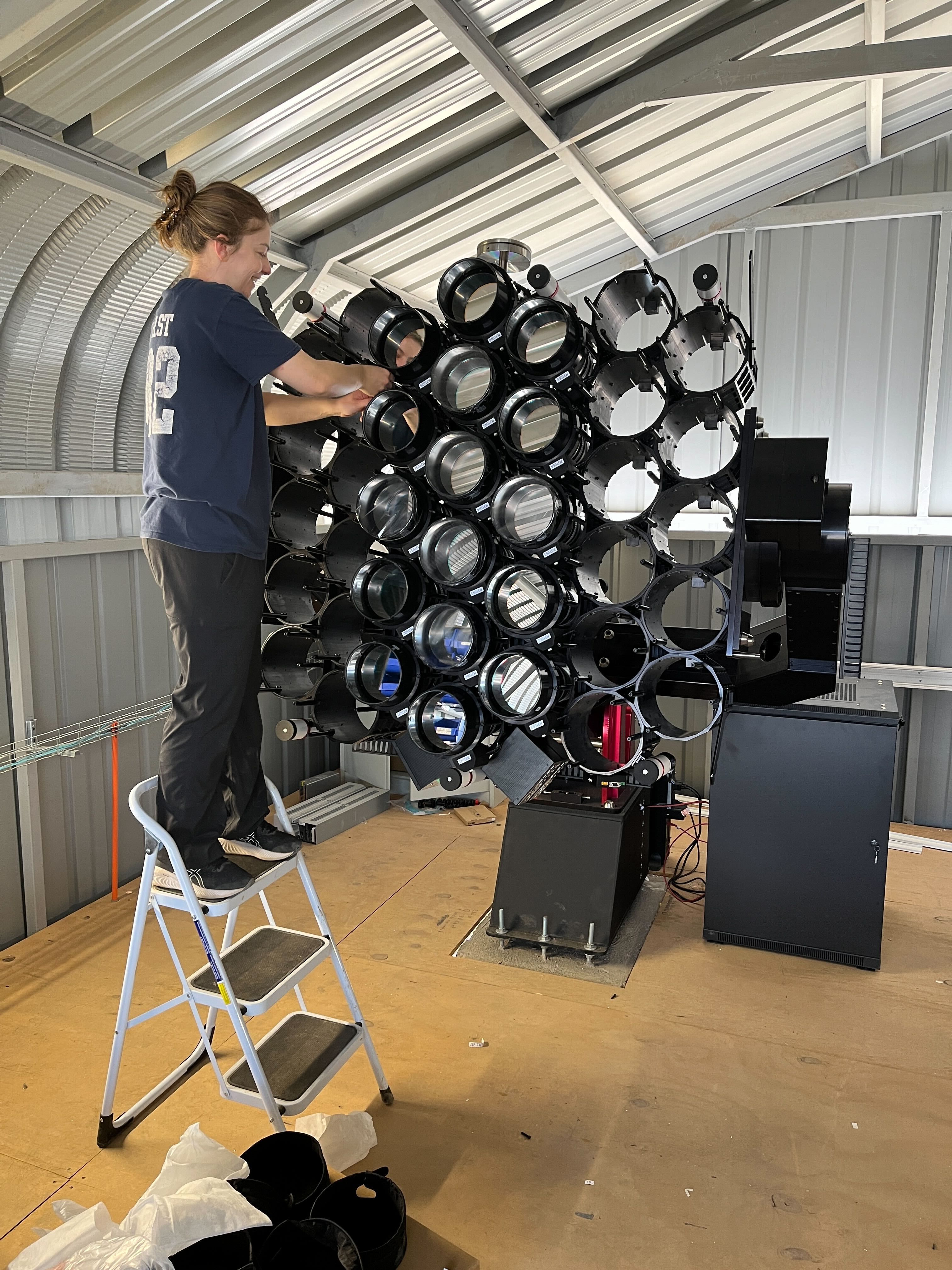
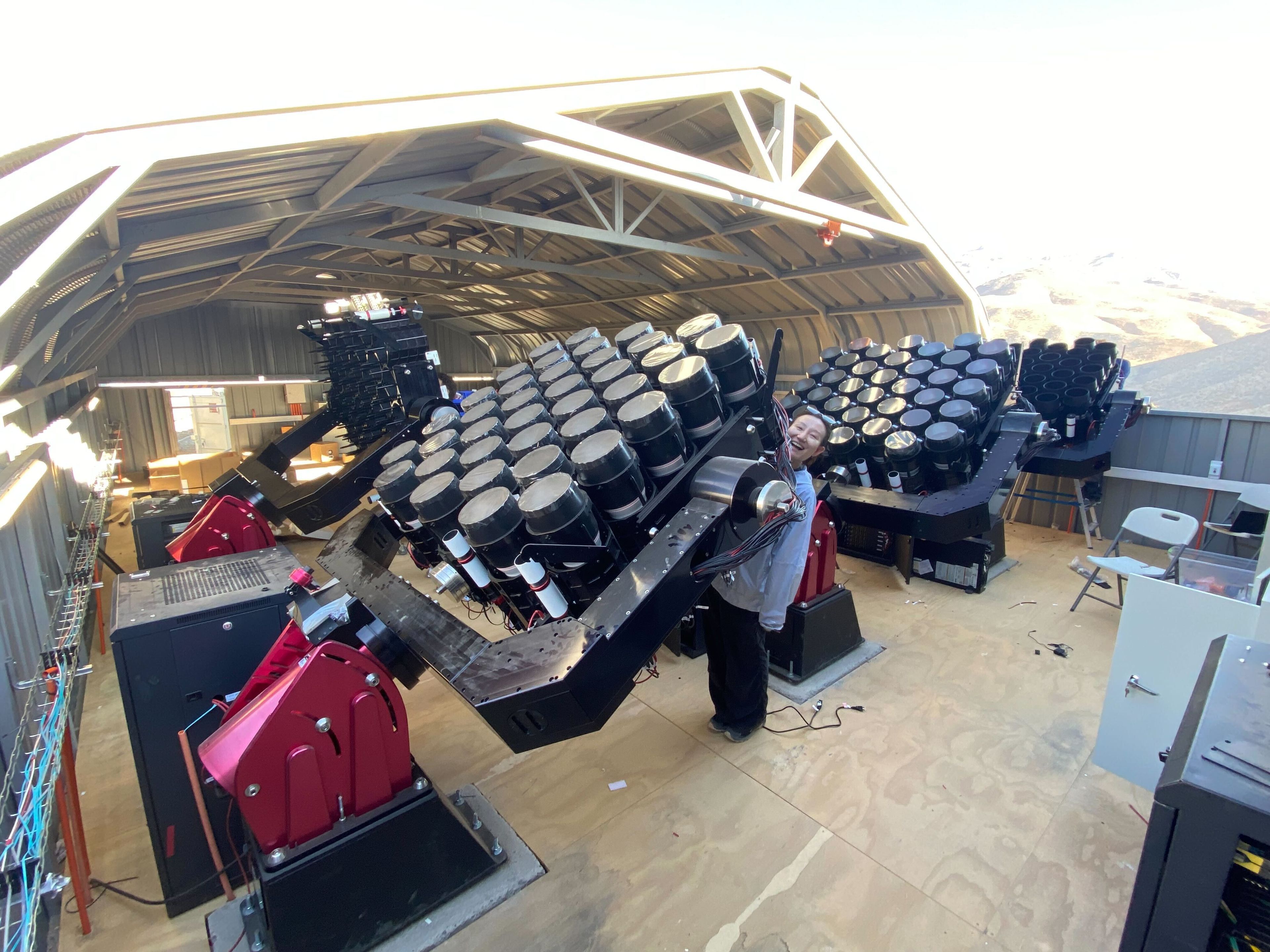
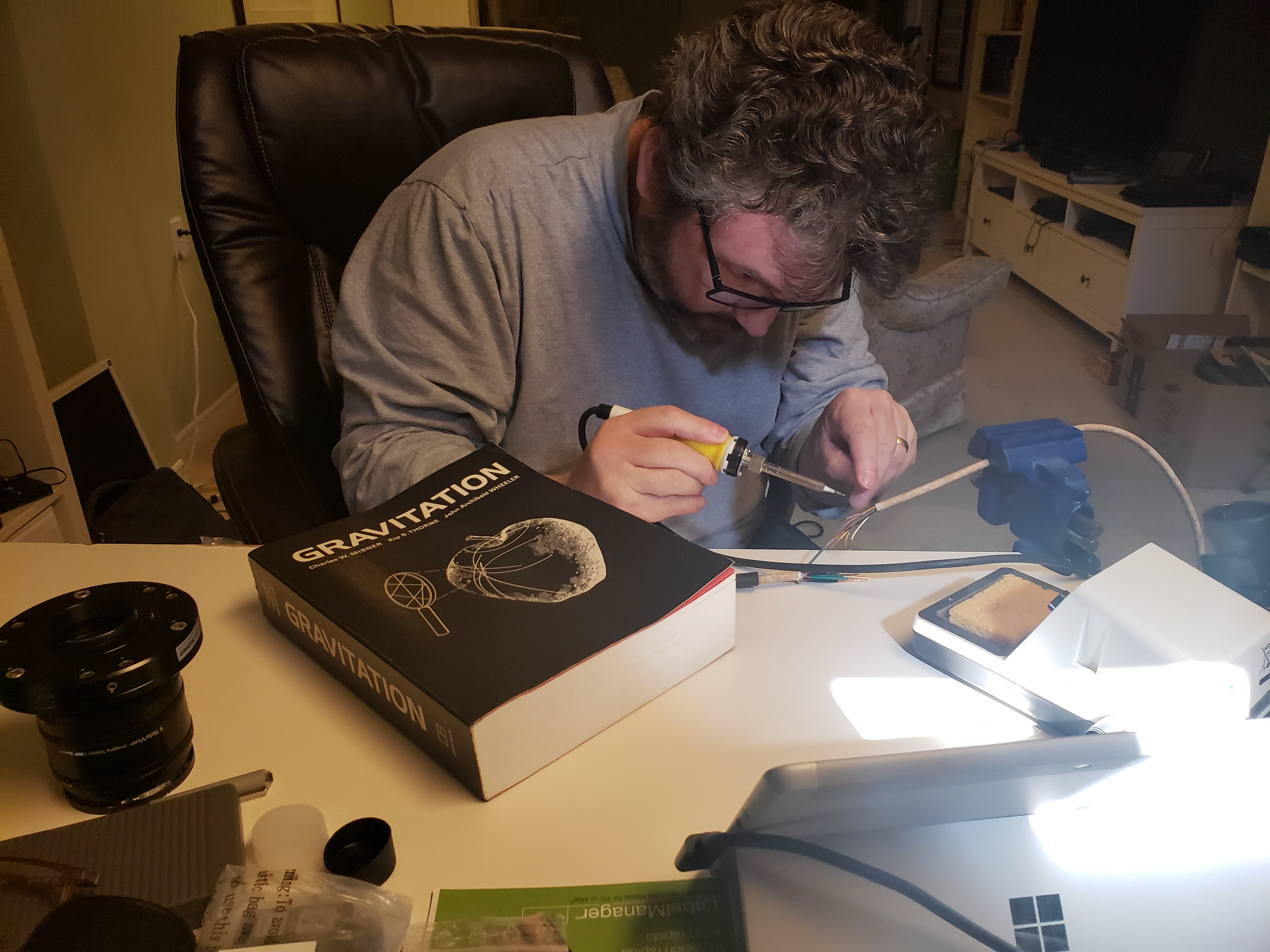
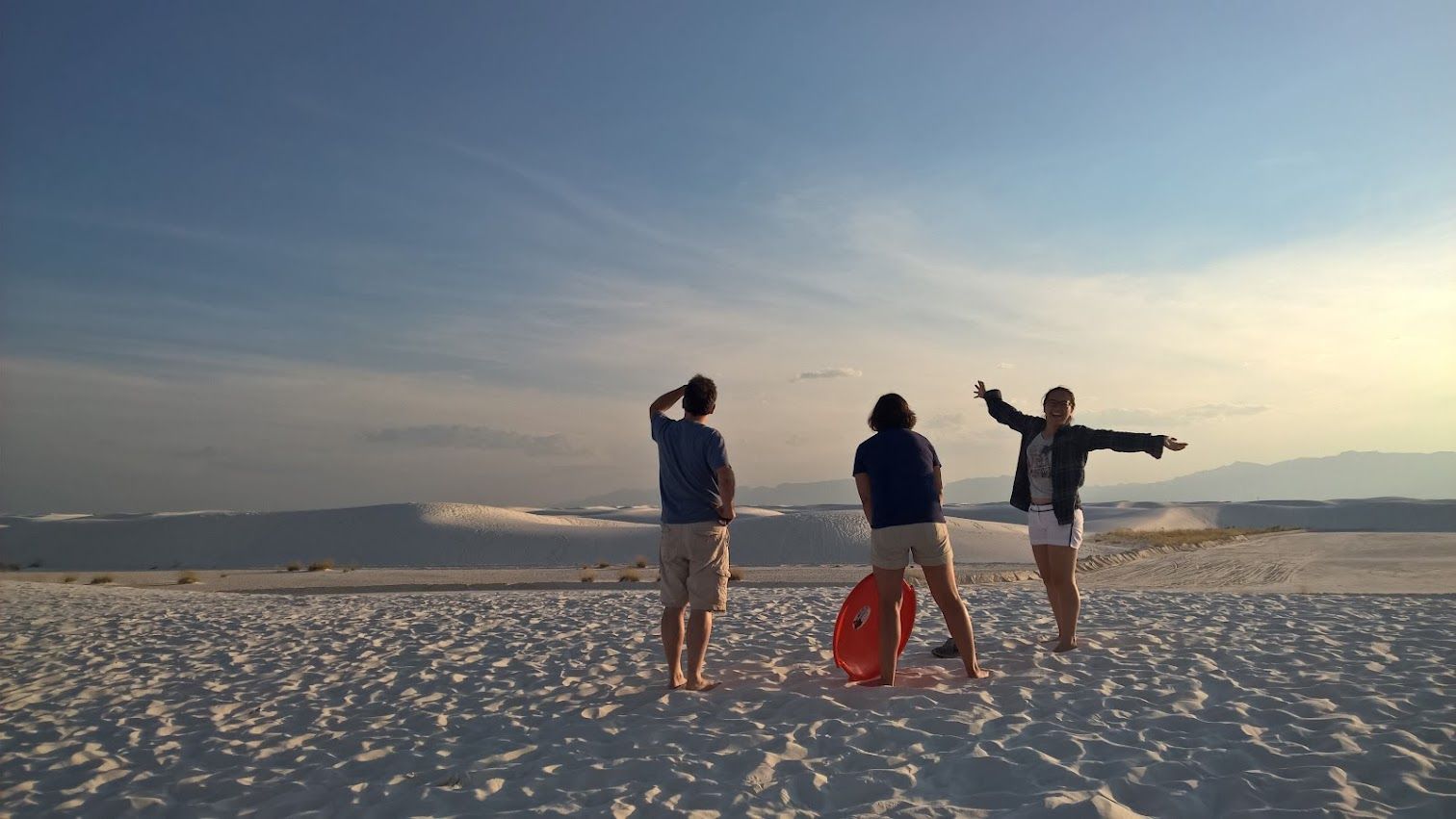
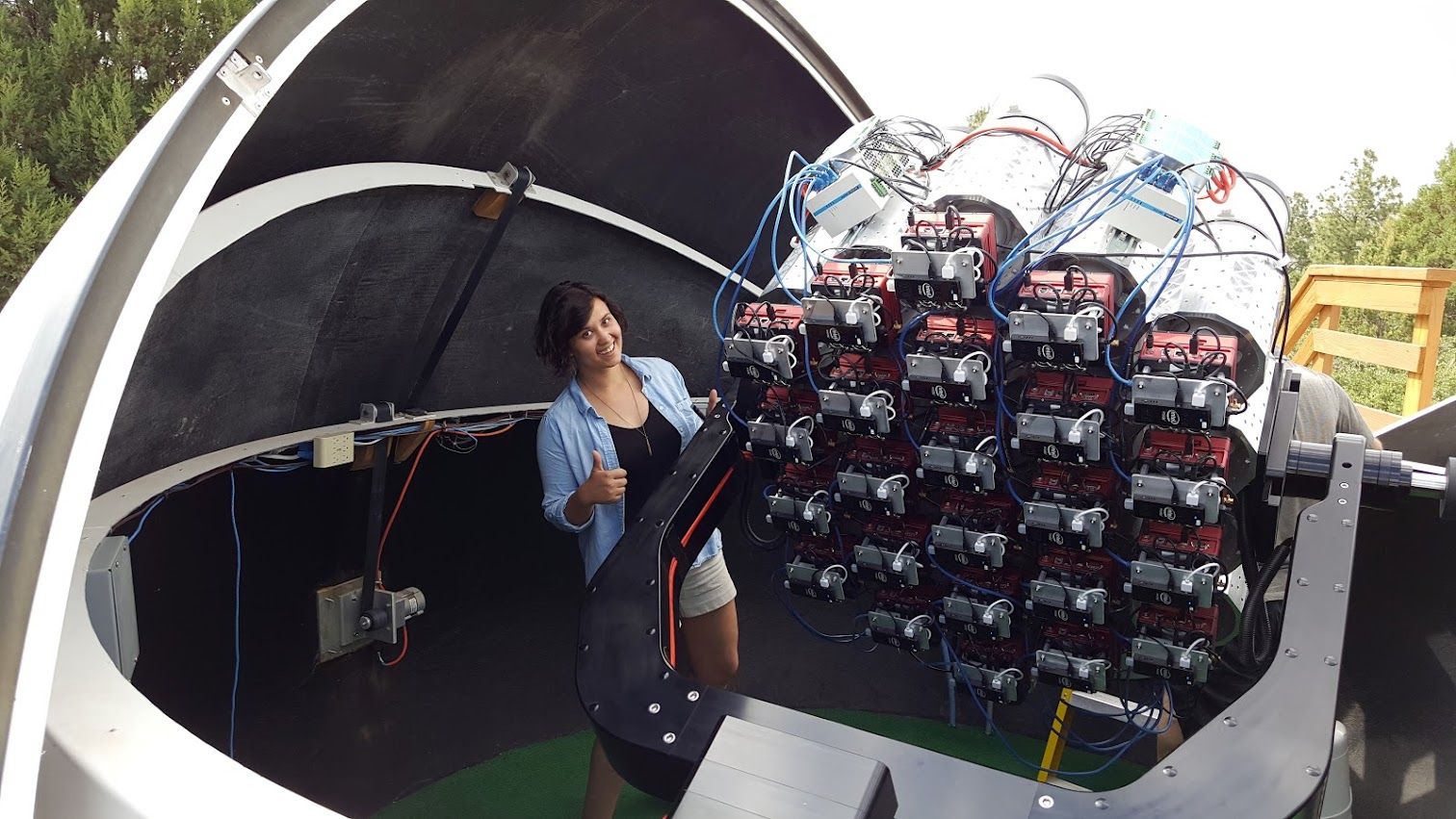
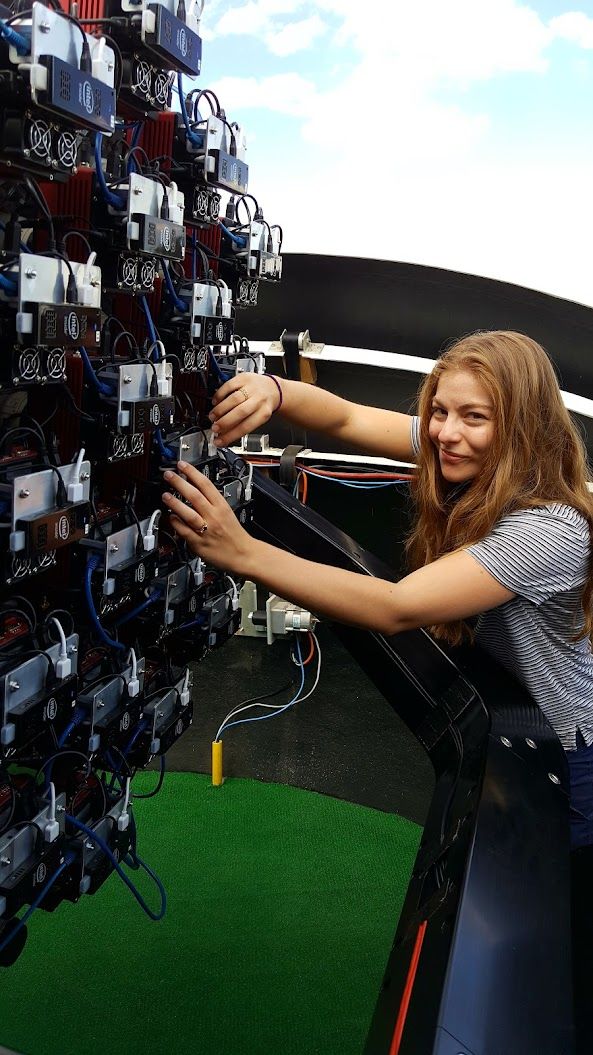
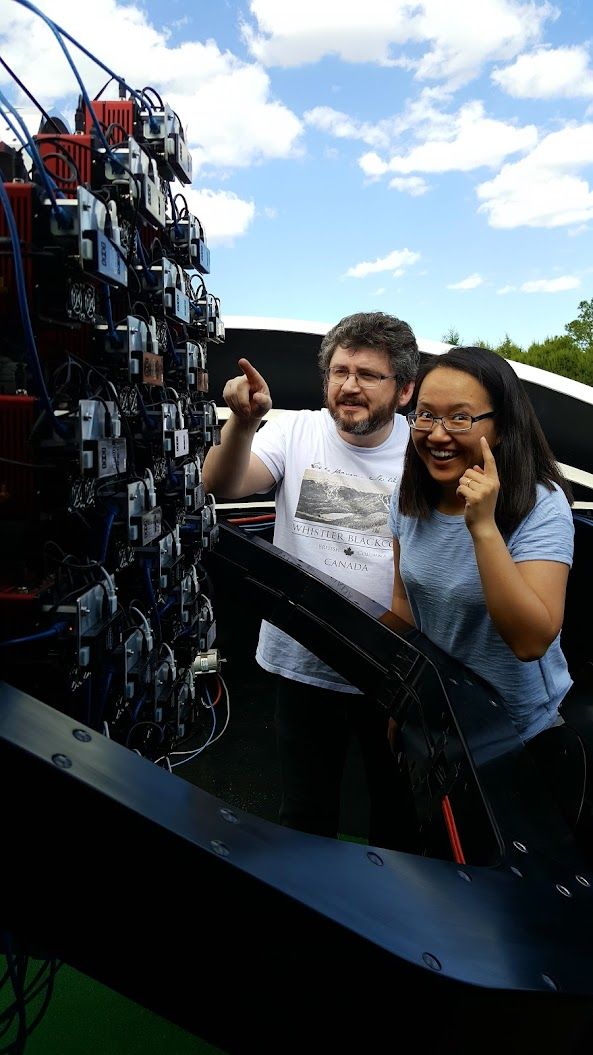
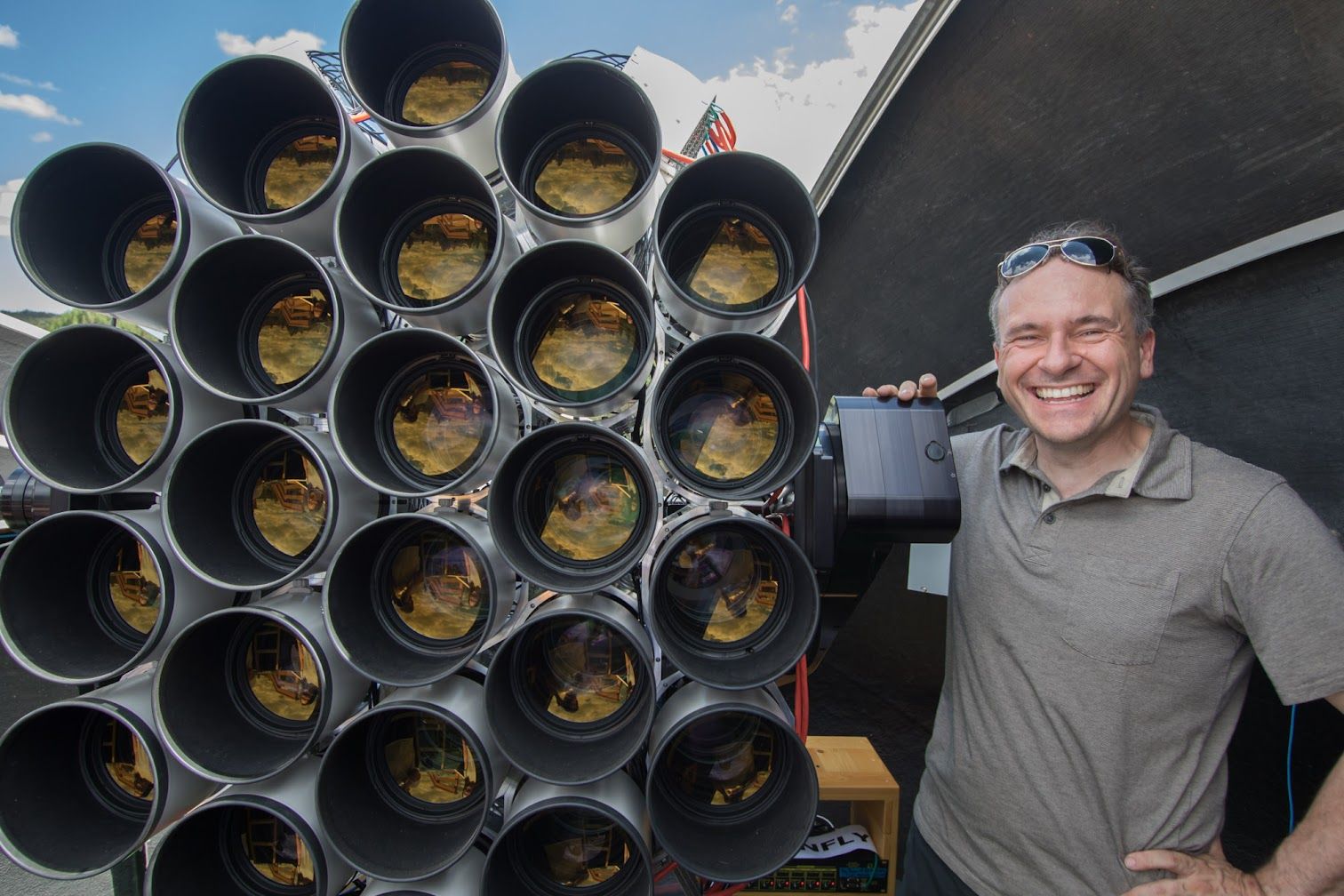
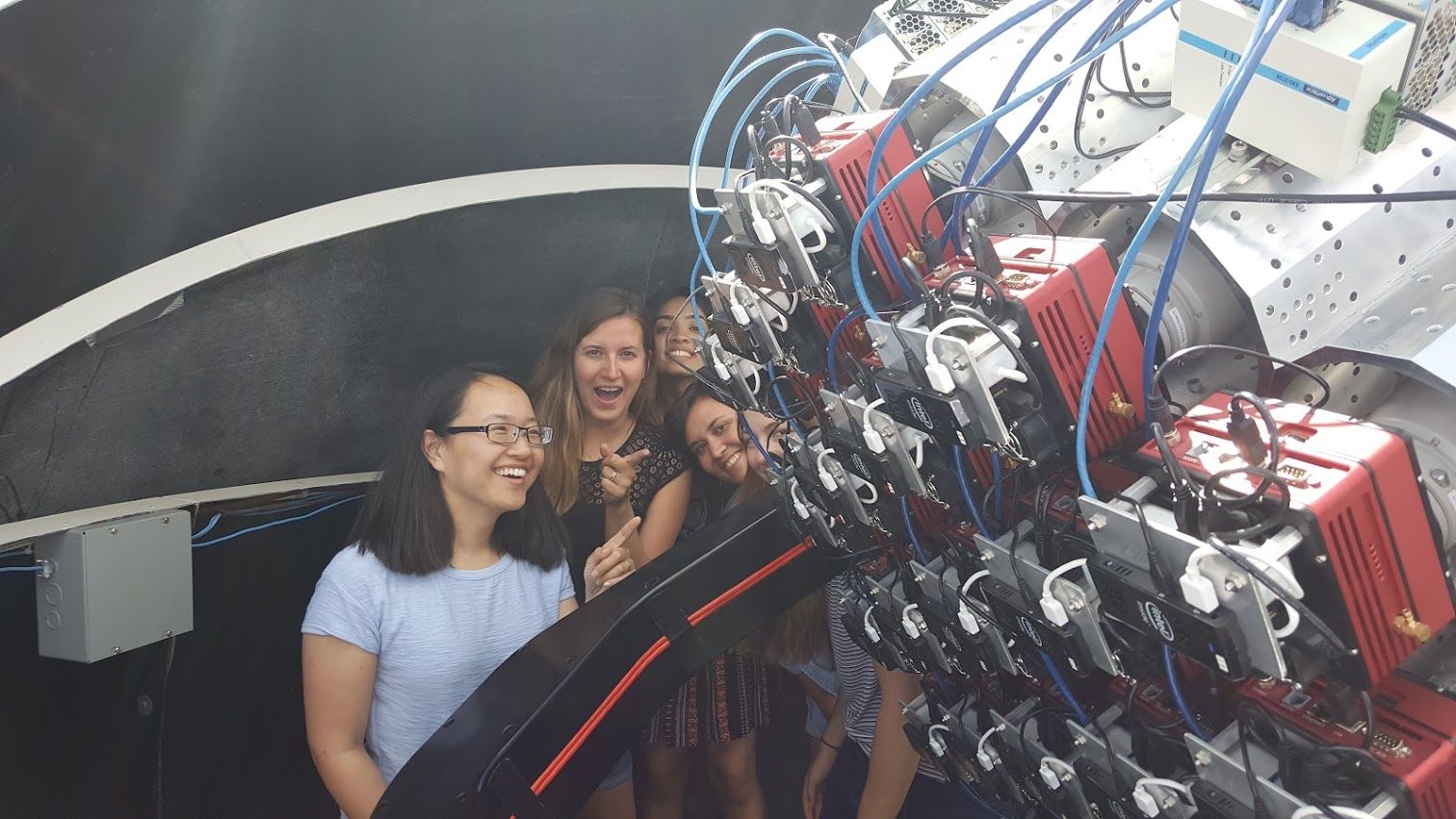
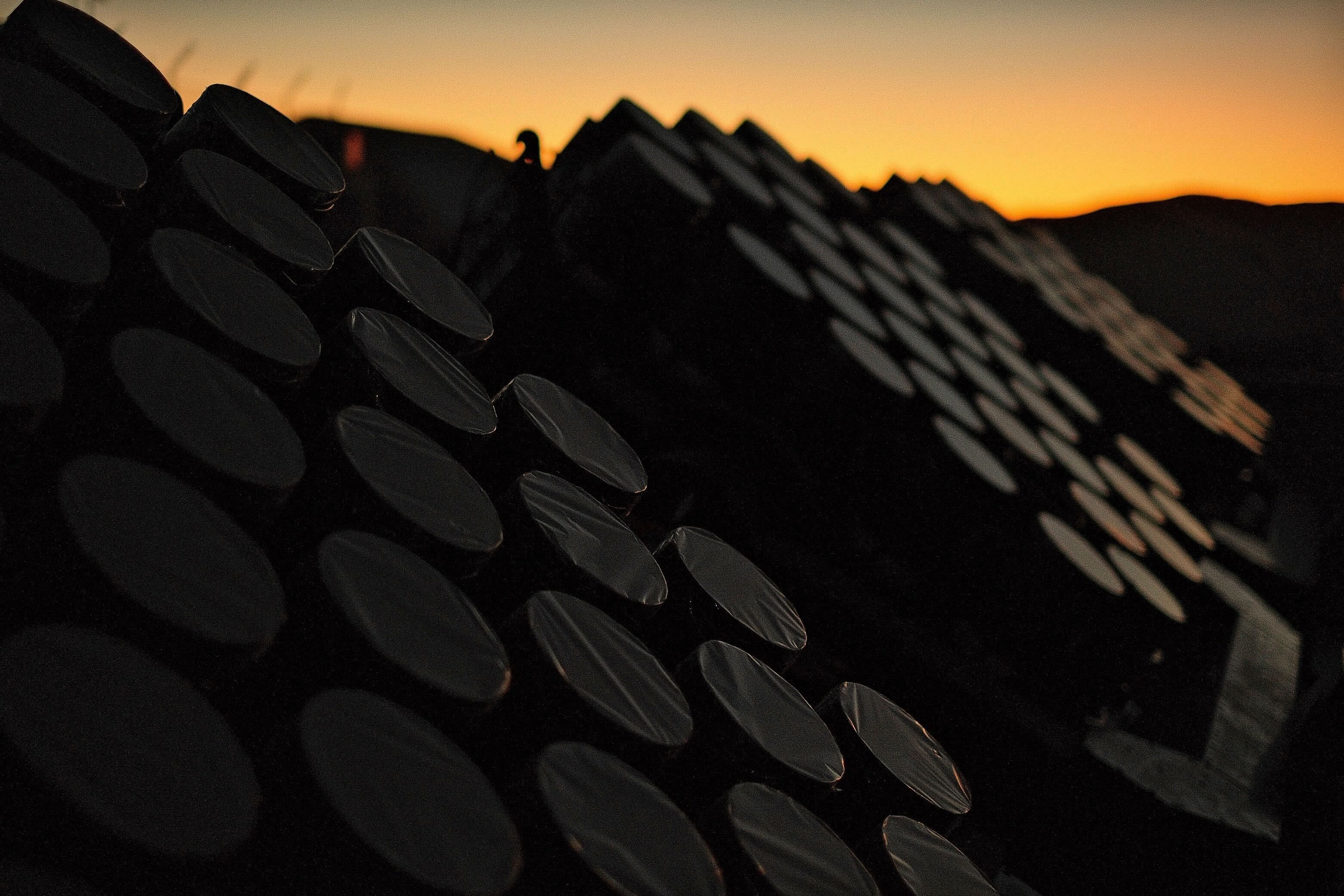
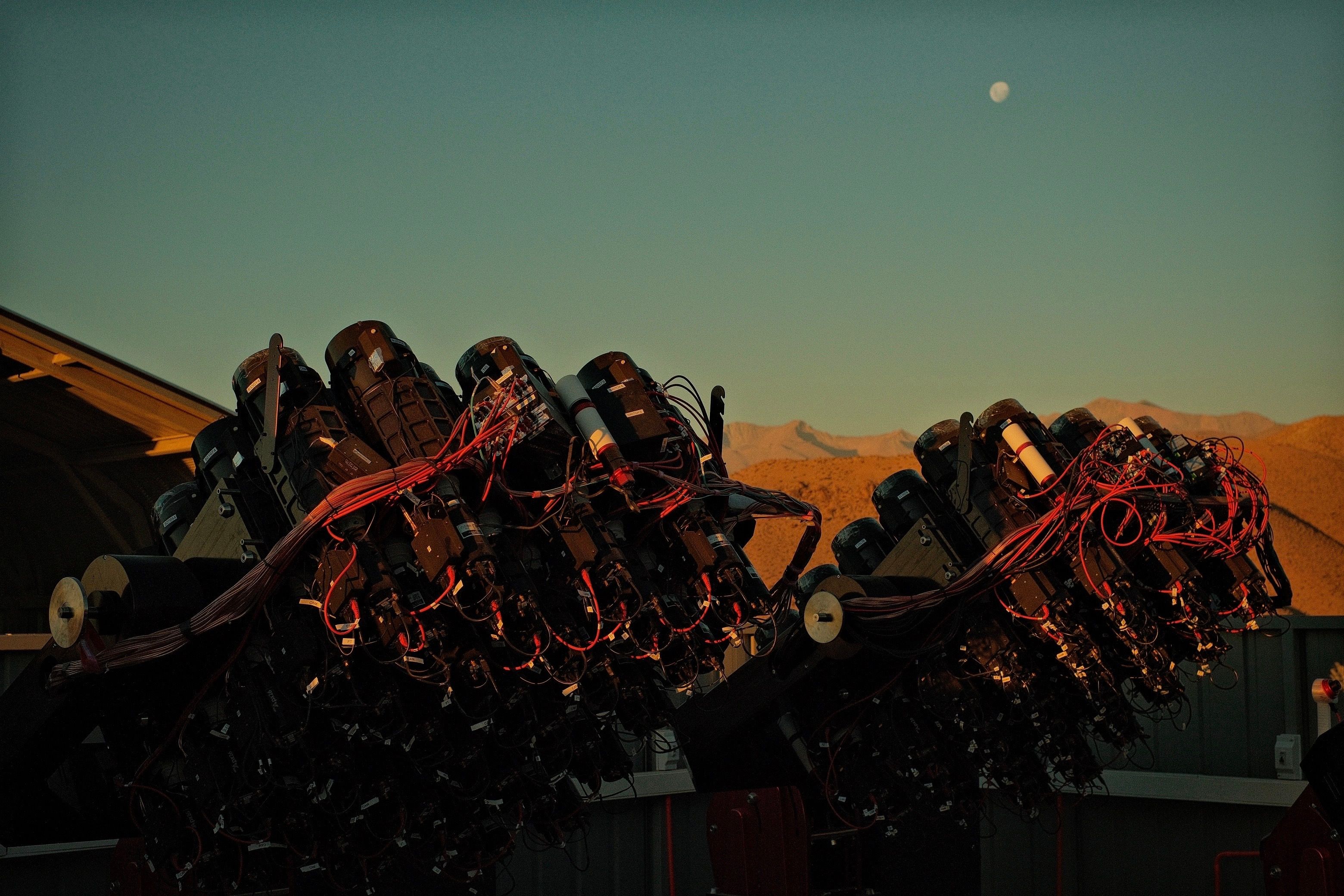
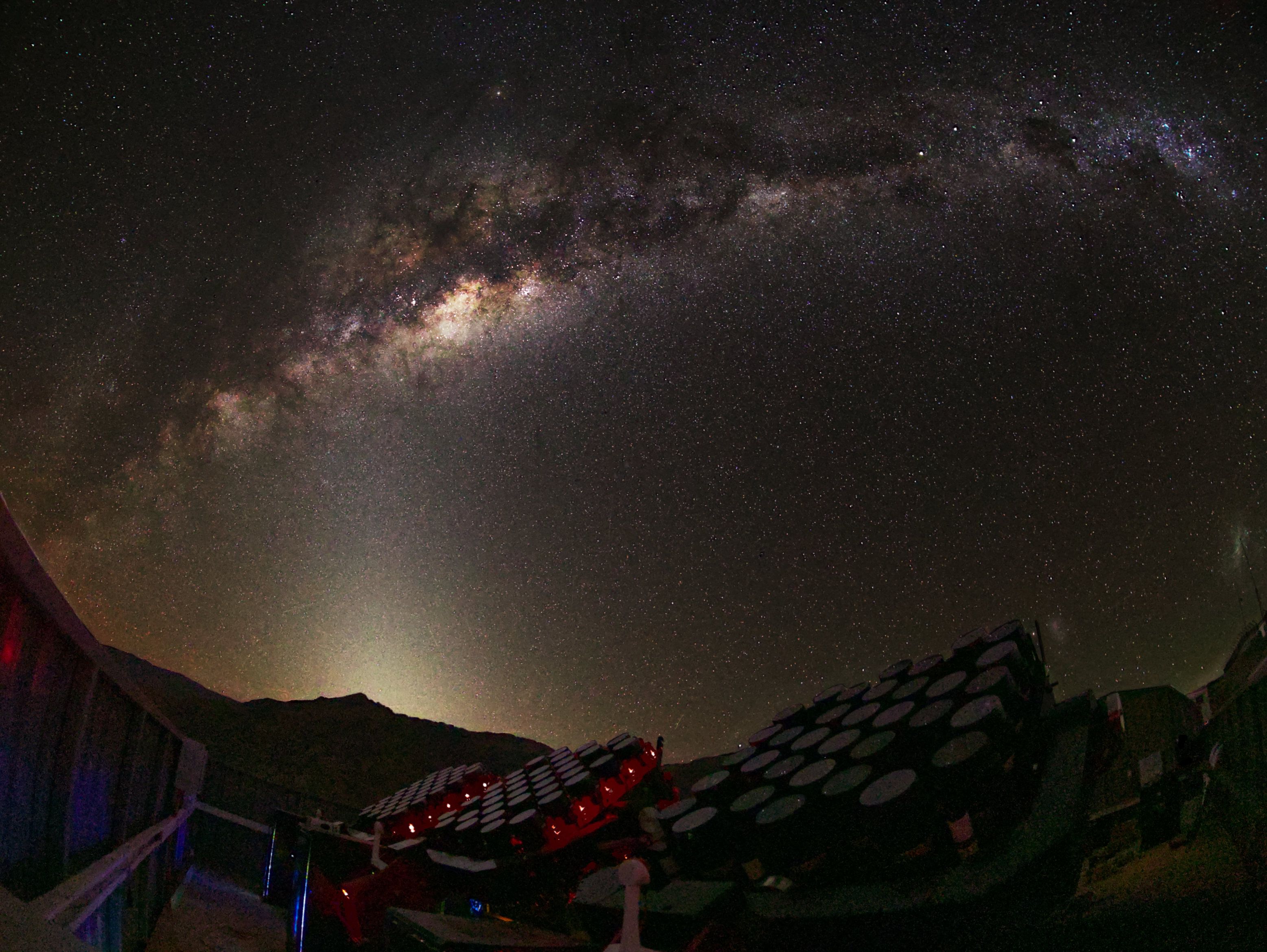
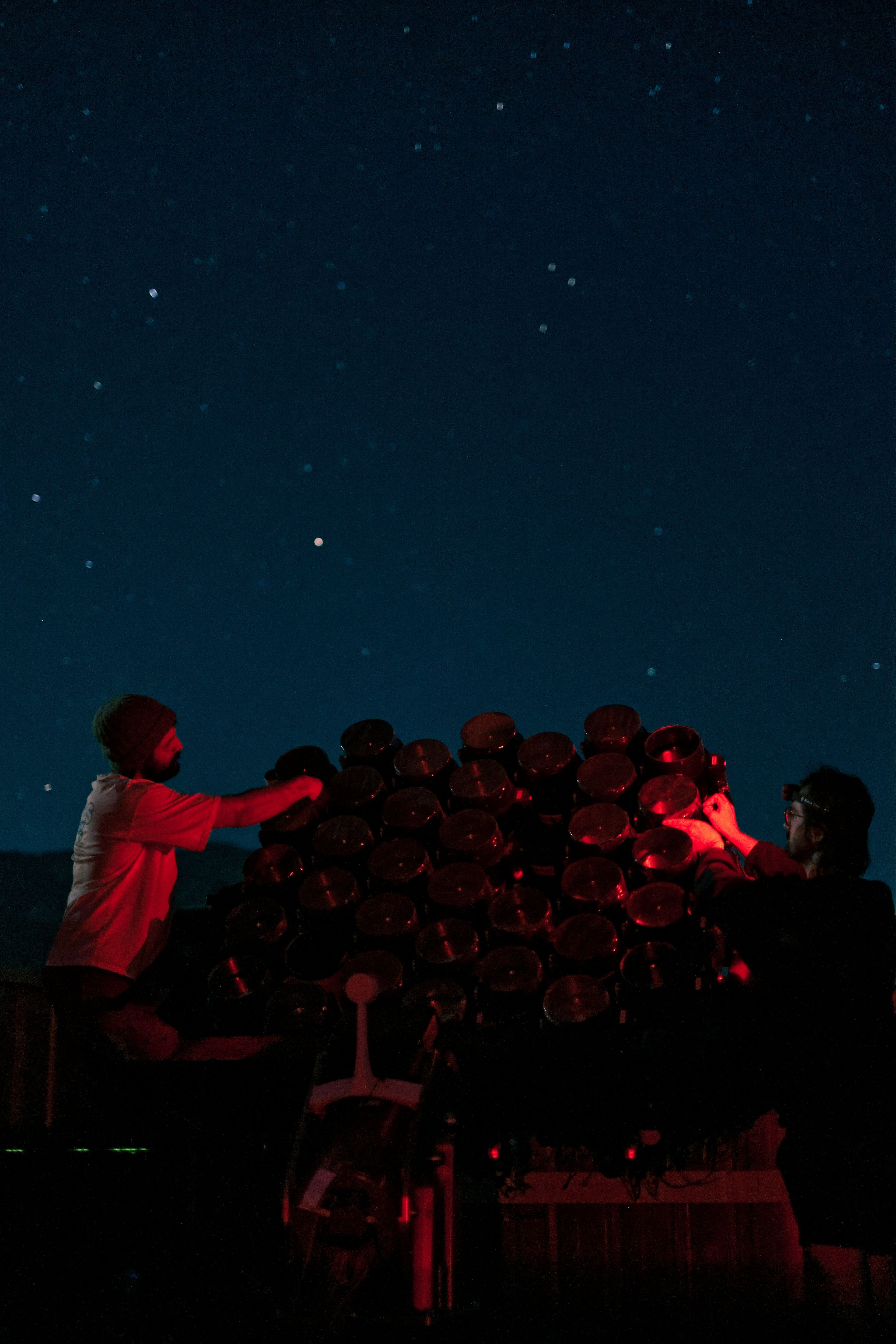
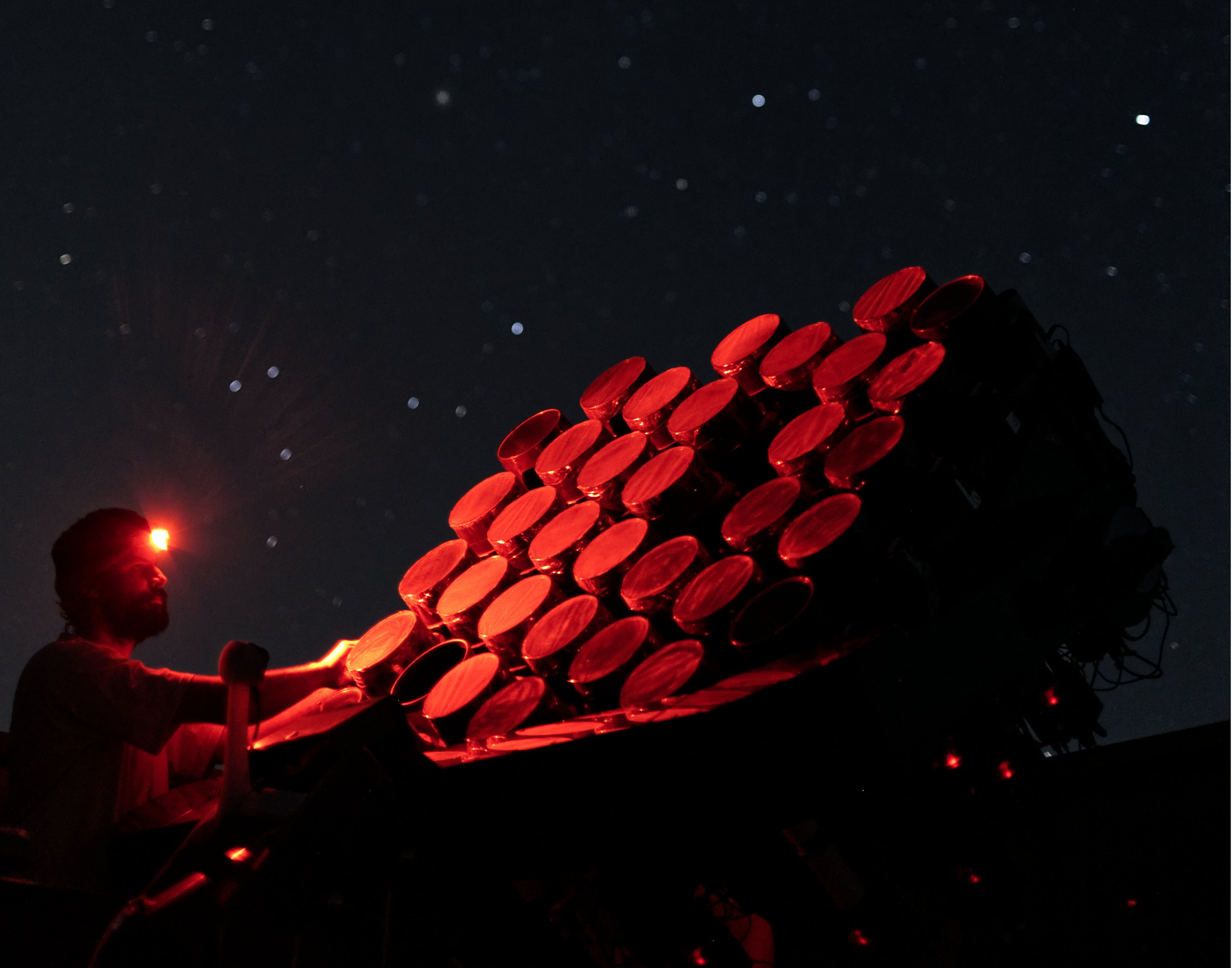
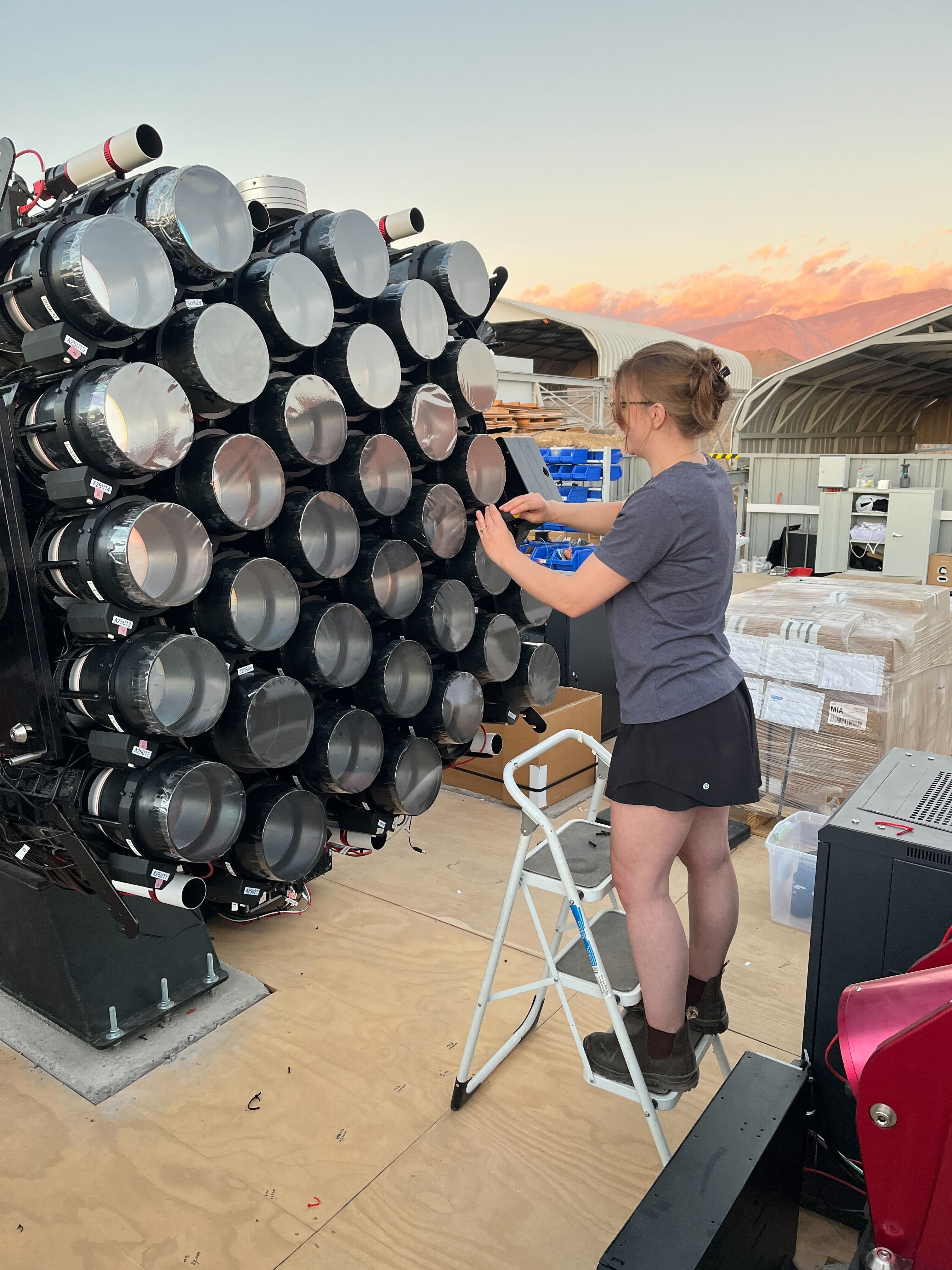
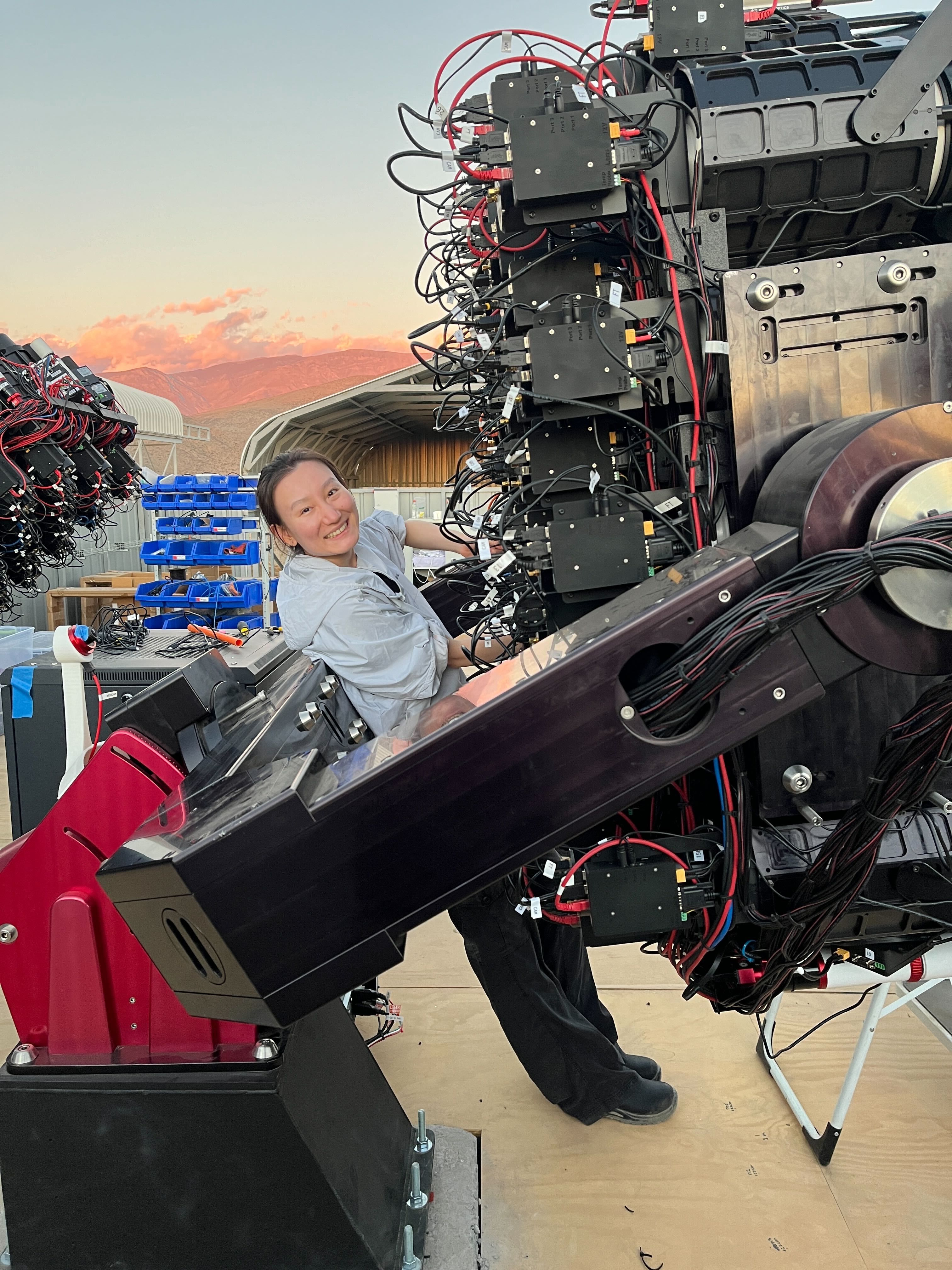
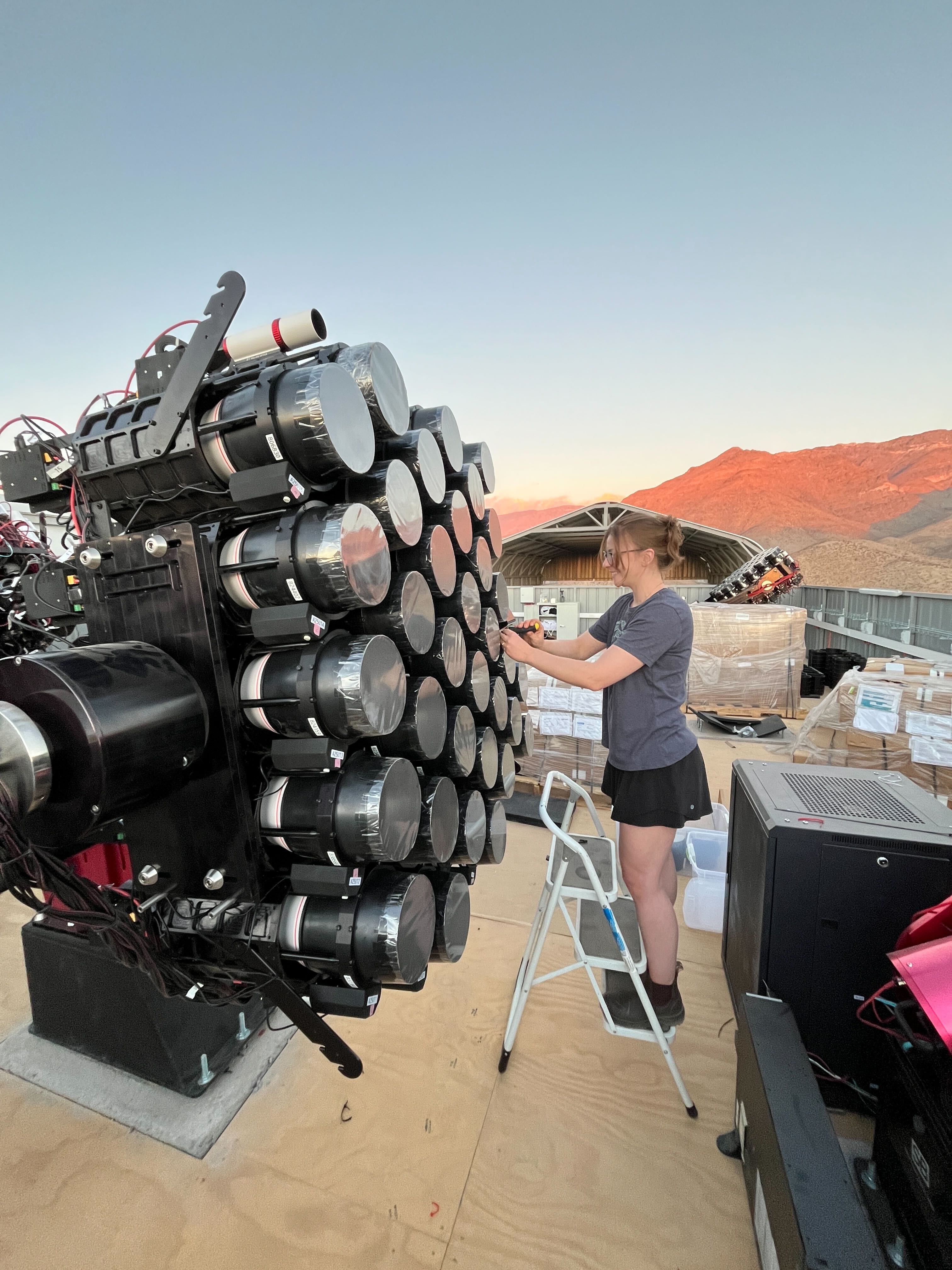
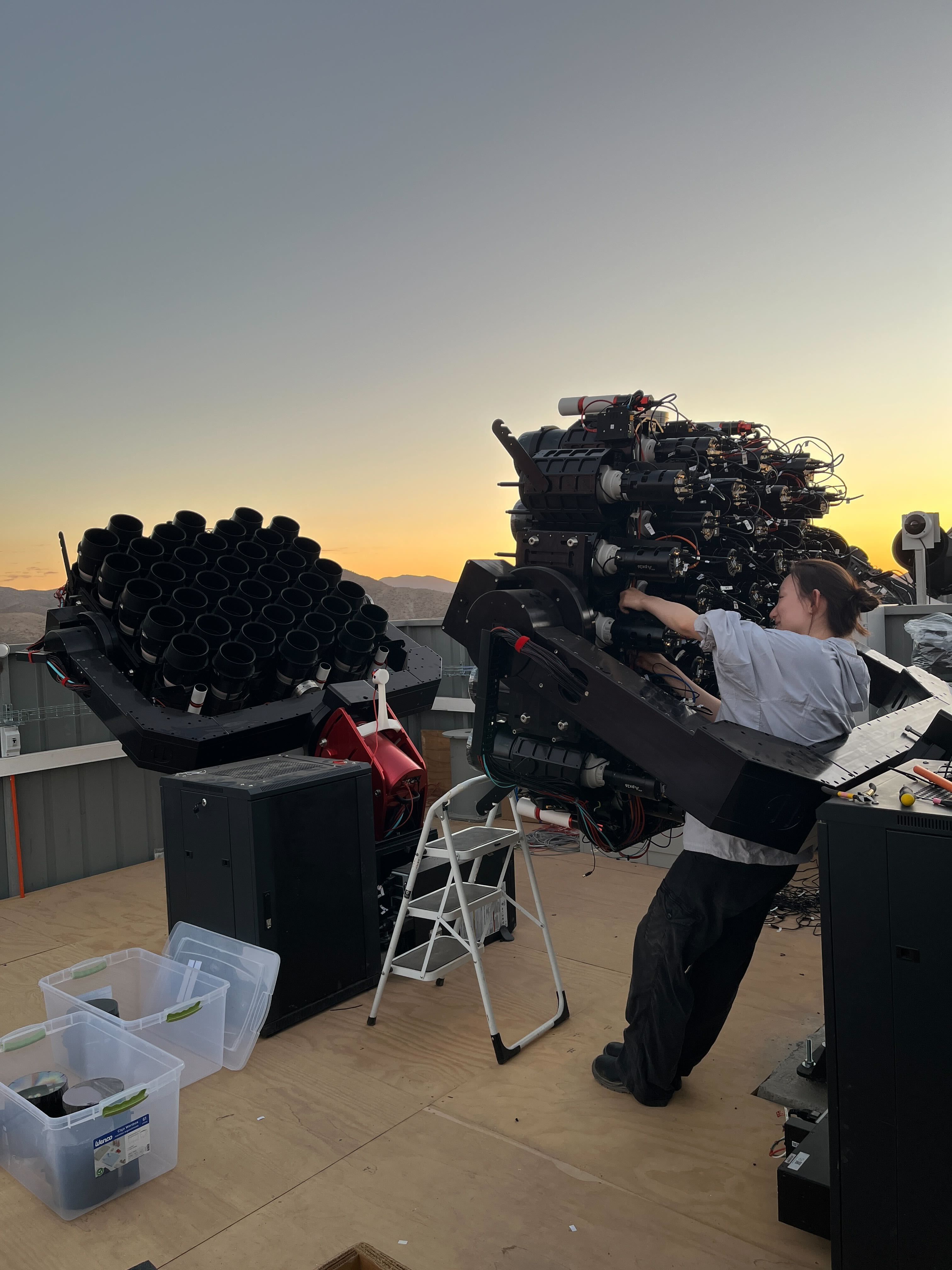
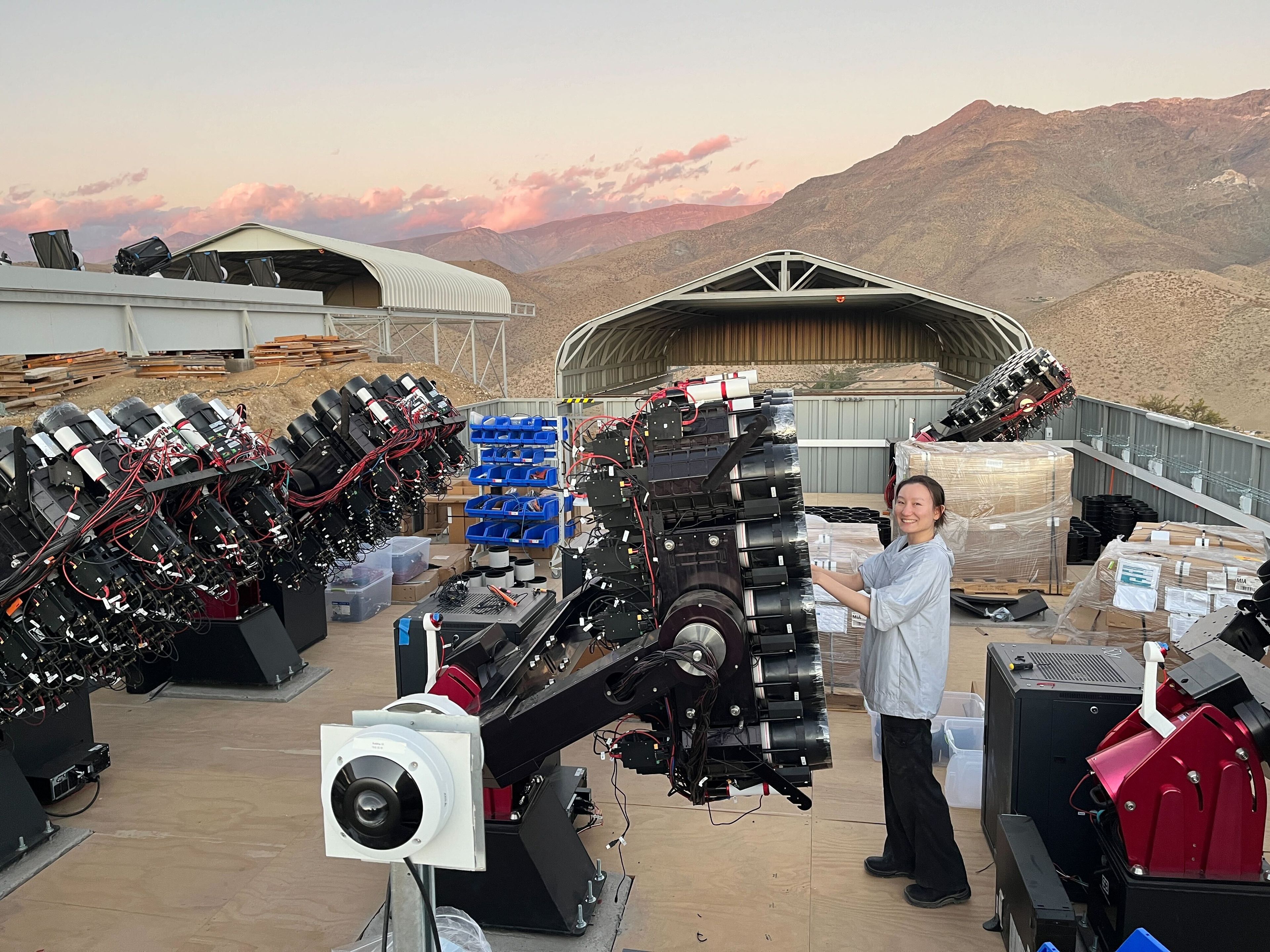
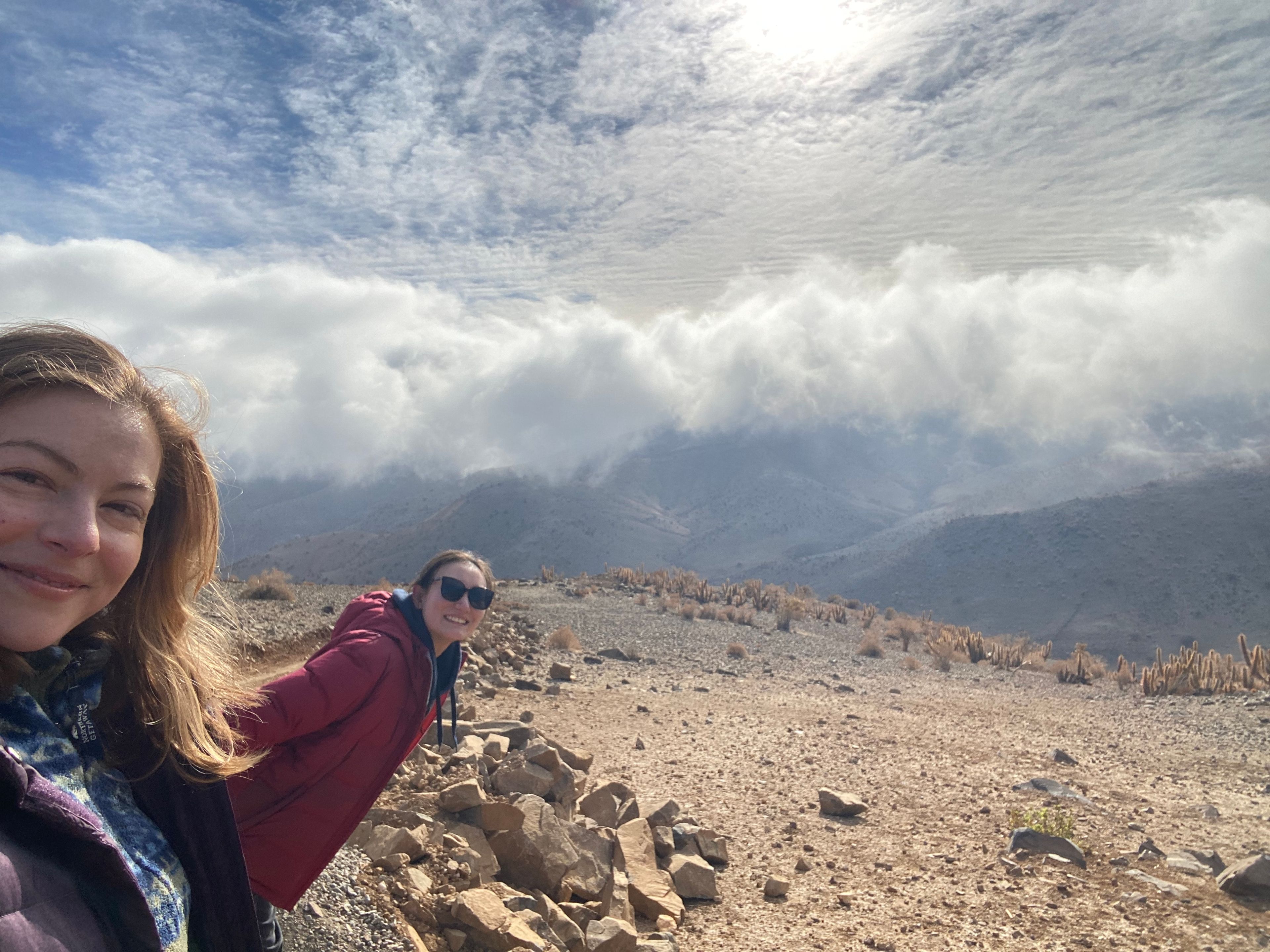
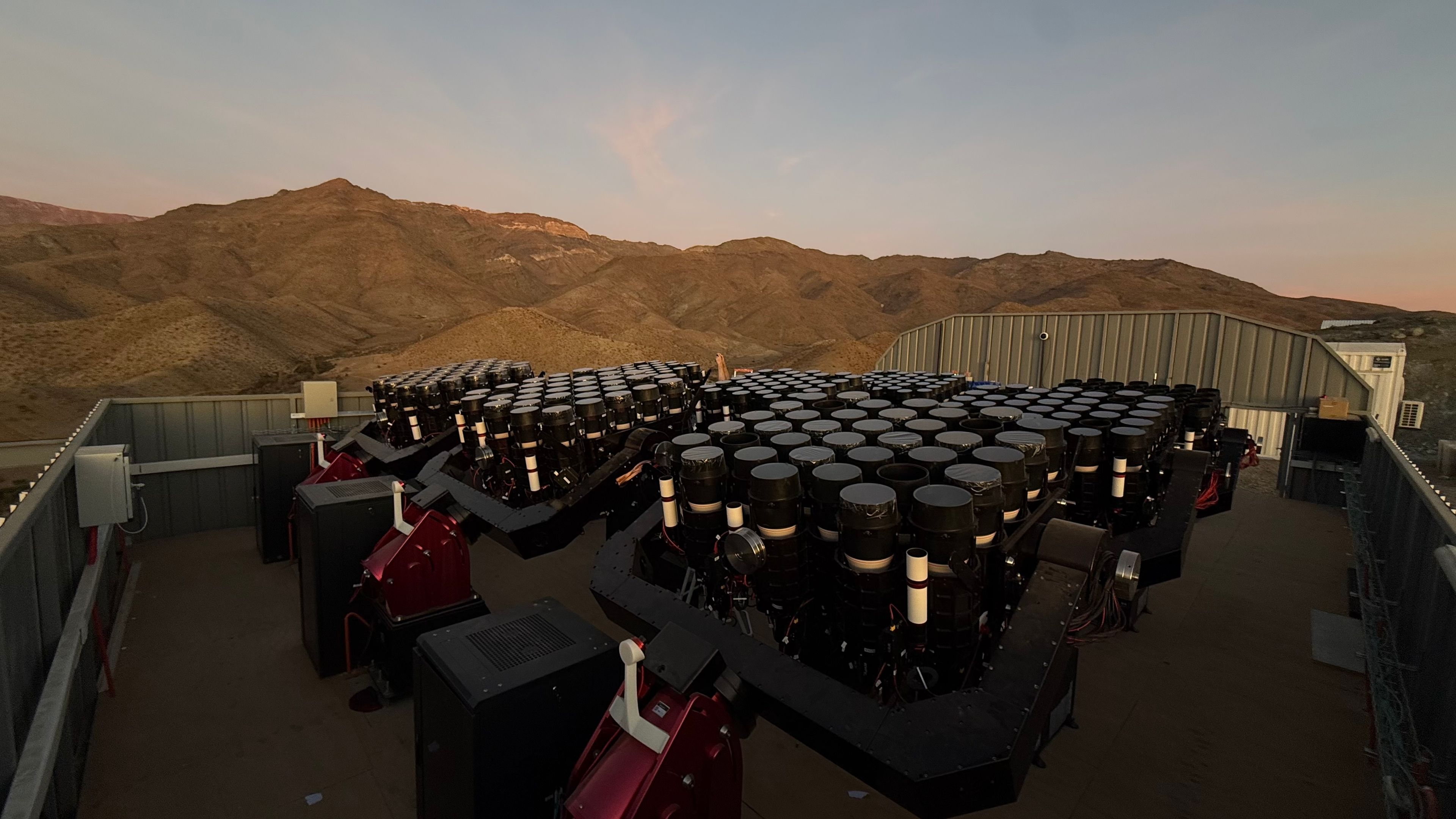
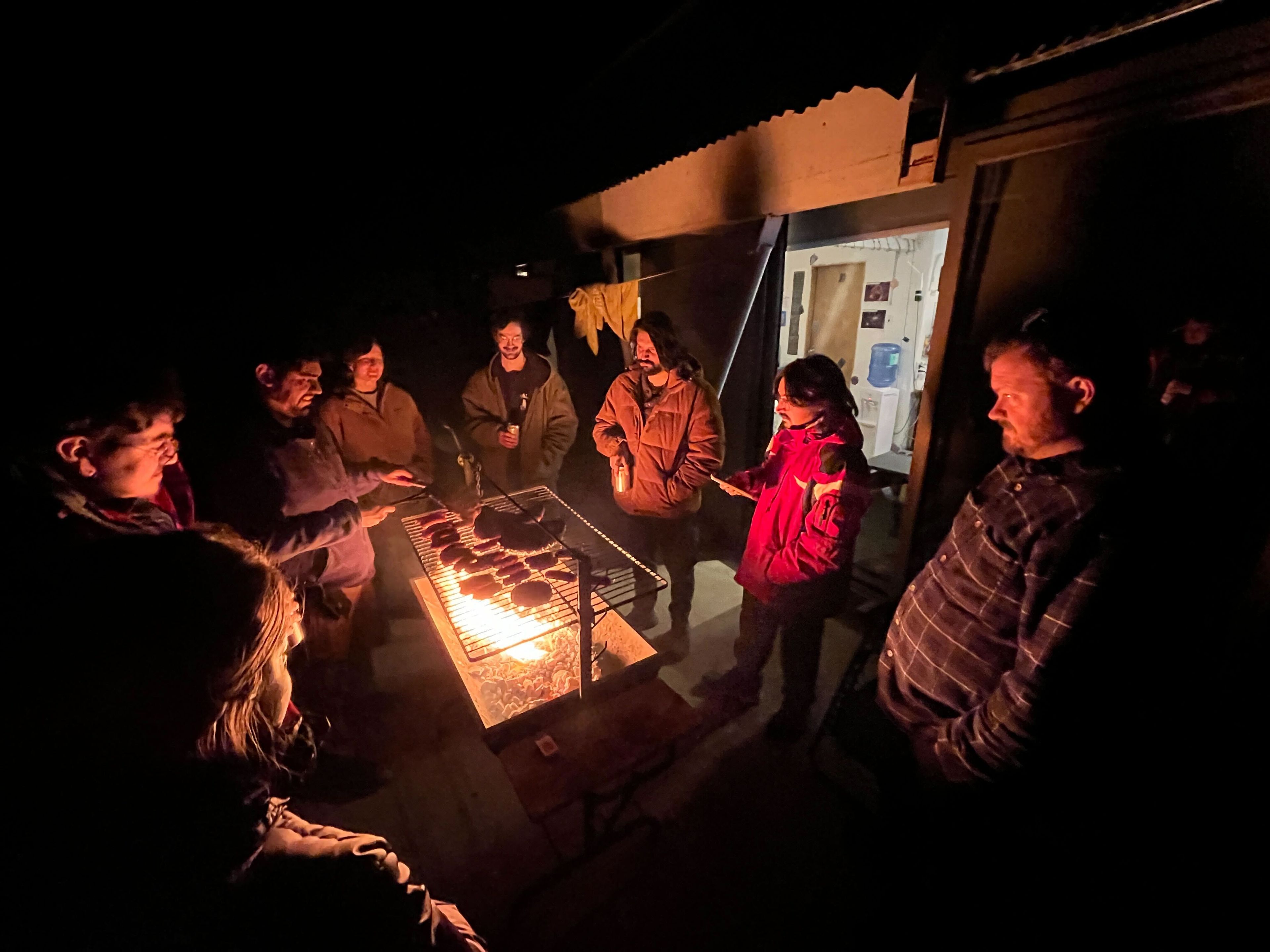
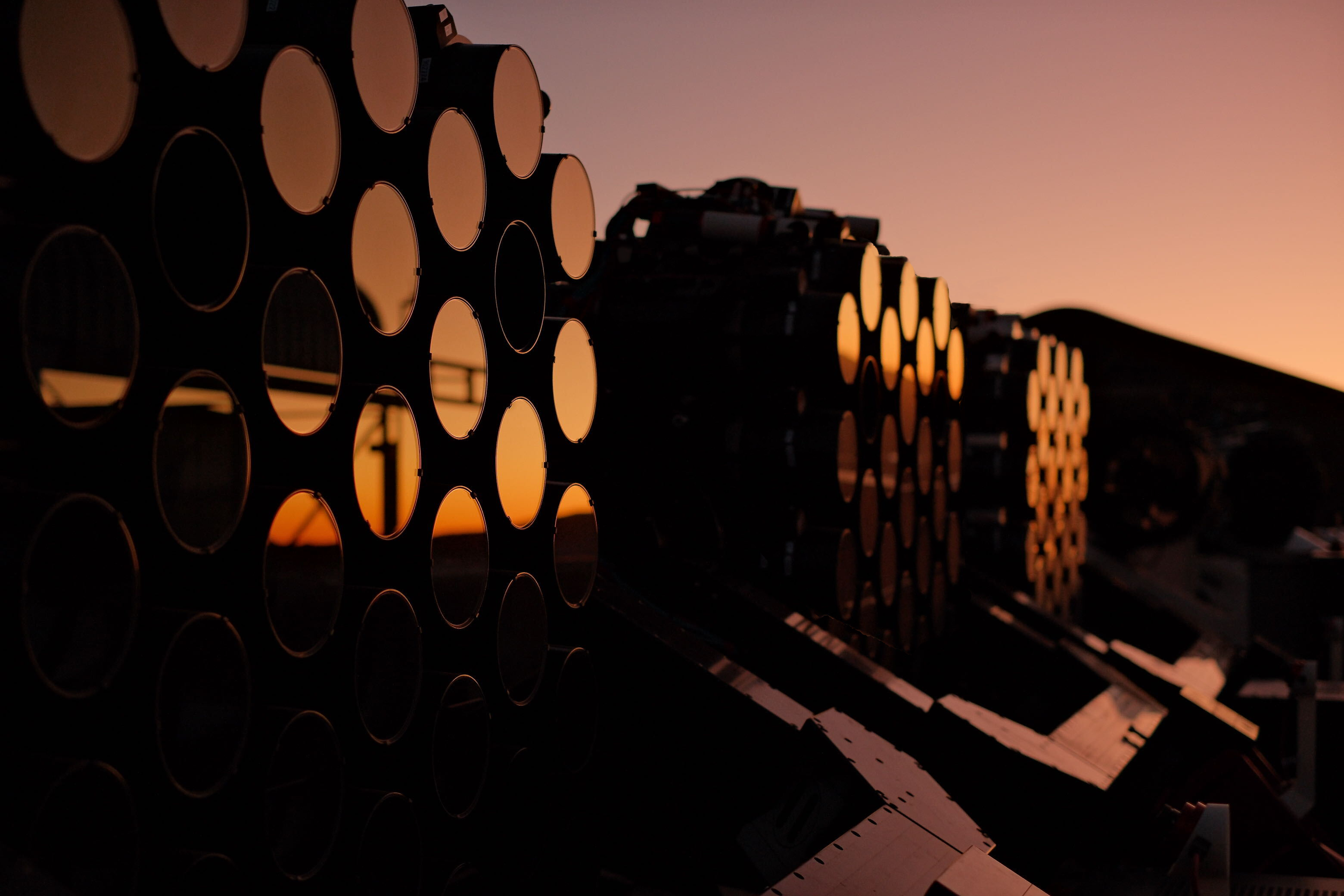
This is a disorganized collection of some of the fun images we've collected over the years. From time to time we will upload similar images here, and eventually try to organize them into coherent collections.